
15.09.22 — 05.11.22
ATTUNEMENT
A group exhibition by Agung Santosa, Agus Suwage, Budi Kustarto, Dadang Rukmana, Dewa Ngakan Made Ardana, Eddie Hara, Eko Nugroho, Goenawan Mohamad, Handiwirman Saputra, Heri Dono, J. Ariadhitya Pramuhendra, Jumaldi Alfi, Mella Jaarsma, Ronald Efendi, Sardono W. Kusumo, Teguh Ostenrik, Uji 'Hahan' Handoko Eko Saputro, Yuli Prayitno, Yusra Martunus
Download E-Catalogue
Nadi Gallery's 22nd Anniversary as a Festival
Gleaming decorations, strewn gifts, and arrays of food and drinks accompanied by traffic of laughter
are the popular displays for birthday celebrations. Reductively as well as normatively, these things
are often apprehended as the being of a birthday celebration event and what birthday celebration
should be celebrated. The meaningfullness of a birthday celebration that is immune from these
things, shall be put into question or even doubted. What is a birthday party without the gleaming of
decoration, piles of gift, dinner party, and laughter? Another question that we may ask as a
contestating question is: Will the meaningfullness or significance of a birthday celebration be
intact still by the presence of the things above? From a certain perspective, the answer to this
question is no. The certain perspective that is referred to is the perspective of one of the
contemporary German philosophers, namely Hans-Georg Gadamer (1900-2002). His philosophical view of
festivals shall be presented as a philosophical framework that is different from that of existing
popular view of birthday celebration. The decision to opt for his philosophical account specifically
related to the Nadi Gallery's 22nd anniversary event.
Historically, the birth of the Nadi Gallery itself was initiated by Mr. Biantoro Santoso. Its
existence has contributed in making the dynamics development of fine arts in Indonesia more
colourful since 2000, exactly on September 15th. Mr. Biantoro's love and devotion in promoting
contemporary art does not stand merely as constitutive elements for the gallery’s existence, but
also plays a prominent role in perpetuating the pulse of the Indonesian art’s body to this day. The
support from the artists as well as the challenges which arise from various situations also
interweave the dynamics of its existence. The Covid-19 pandemic was one of the situational
challenges that Galeri Nadi recently faced. This global situation had become an obstacle for the
gallery to celebrate its birthday for two years and it demanded various changes, both small and
large, in keeping its existence established. The struggle with this challenging situation has
prompted Galeri Nadi to interpret the 22nd anniversary of his birthday from a different perspective.
The point of view that is referred to here, as mentioned earlier, is Gadamer's philosophical account
of festival.
From Gadamer's perspective, the term “festival” refers to his view of the temporal and collective
experience of art and beyond, namely our overall experience of the world (Grondin 2001, 45).
Festivals are characterized by a certain temporality in which we are enticed. Its enticement
disrupts and dislocates our everyday experience of time (which is often viewed objectively) (Lawn
2006, 94). In a festival, our daily experience of time is suspended and at the same time it injects
a mystery into the festive event. This can be illustrated by the birthday of the Nadi Gallery which,
before the emergence of the pandemic, was regularly celebrated every year. Even though the event of
its birth day is celebrated every year, the meaning of each celebration is always different; there
is no such thing as fixed and "routine" meaning. Every event of celebration reveals a different and
deeper meaning. It uprises us from the routine of everyday life and offers an opportunity to
re-atttune ourselves and our relationship with the world. Each festival opens an opportunity for us
to reevaluate our existence in the world in a reflective and deliberative way (Lawn 2006, 95). This
also indicates that festivals don't always have to be associated with laughter, feasts, let alone
crowds of gifts; it is not necessarily linked to joy or happiness. For Gadamer, sadness or mourning
is also a qualitative experience that is shared in a festival.
Festivals are there to be celebrated. But what is the festive character of a festival? Naturally,
this quality need not always be associated with joy or happiness, since in mourning we also share
this festive character together (Gadamer 1986, 58).
The festival does not stand as a mere canal for joy and happiness to travel, but is a reflective
moment for each individual who participates in it. A shared moment to reevaluate reflectively and
deliberatively our relationship with the world we are living in.
Commonality, the active involvement of each person in a festival is also understood as something
that is necessarily fundamental. Gadamer's view of festivals is not only about temporal experience,
but also a collective one. This collective experience of the festival is demonstrated by him
emphasizing the importance of participation. Participation, for Gadamer, is an essential element of
the festival (Grondin 2001, 46). Festivals are there to be celebrated and celebrations cannot be
acted upon individually. Gadamer himself states that “a festival is an experience of community and
represents community in its most perfect form” (Gadamer 1986, 39). In festivals, participating or
taking on roles for the sake of getting unified by intention, has become everything.
The last thing that is worth pointing out in this foreword is that every festival raises awareness
of the fragility of human life and this is one temporal aspect of the festival (Grondin 2001, 47).
When we participate in a festival, we may ask ourselves with both gratitude and anxiety, for
example, “How many more holidays can we celebrate together?” Within the scope of this 22nd Nadi
Gallery's anniversary celebration, such mixed feelings can also arise. For example, "How many more
anniversaries can we celebrate together?" or “Can I still participate or be involved in its 23rd
anniversary event?” The festival is nothing but a reflective moment to celebrate the finitude of
humanity and in finitude, people get In touch with their humanity.
Ferdinand Indrajaya
Bibliography:
Gadamer, Hans-Georg. The Relevance of Beautiful and Other Essays. Translated by Nicholas Walker.
Cambridge: Cambridge University Press, 1986.
Grondin, Jean. “Play, Festival, and Ritual in Gadamer: On the theme of the immemorial in his later
works.” In Language and Linguisticality in Gadamer’s Hermeneutics, 43-50. Lanham: Lexinton Books,
2001.
Lawn, Chris. Gadamer: A Guide for The Perplexed. London: Continuum, 2006.
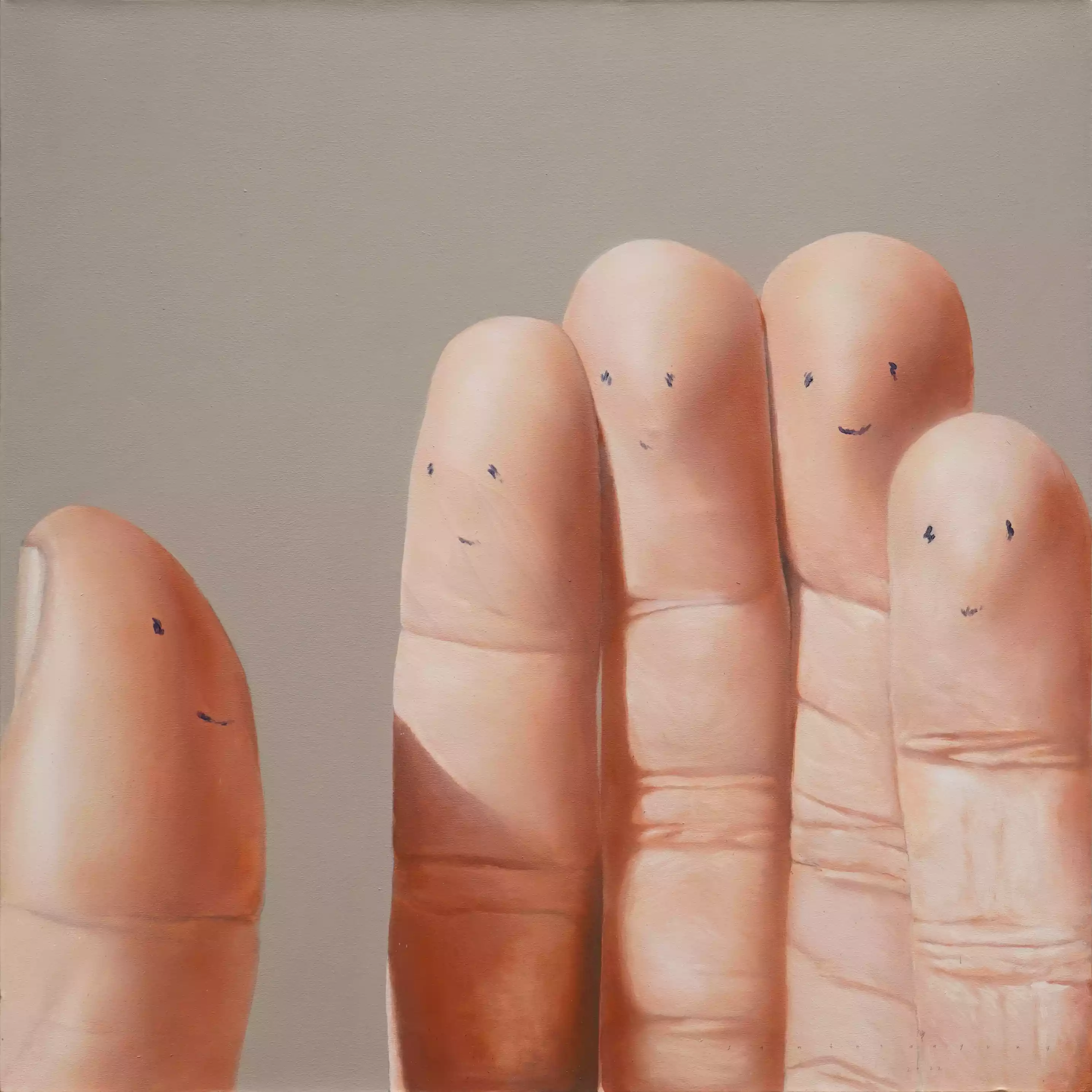
Agung Santosa
Turut Juga hadir Ibu Jari Beserta Anak-Anaknya, 2022
acrylic on canvas
89 x 89 cm

Agus Suwage
Orkes Nusantara #2, 2022
watercolor, tobacco juice on paper
85 x 114 cm

Budi Kustarto
Eksplor #5, 2022
oil on canvas
80 x 80 cm

Budi Kustarto
Happy race day, 2015
oil on canvas
146 x 213 cm
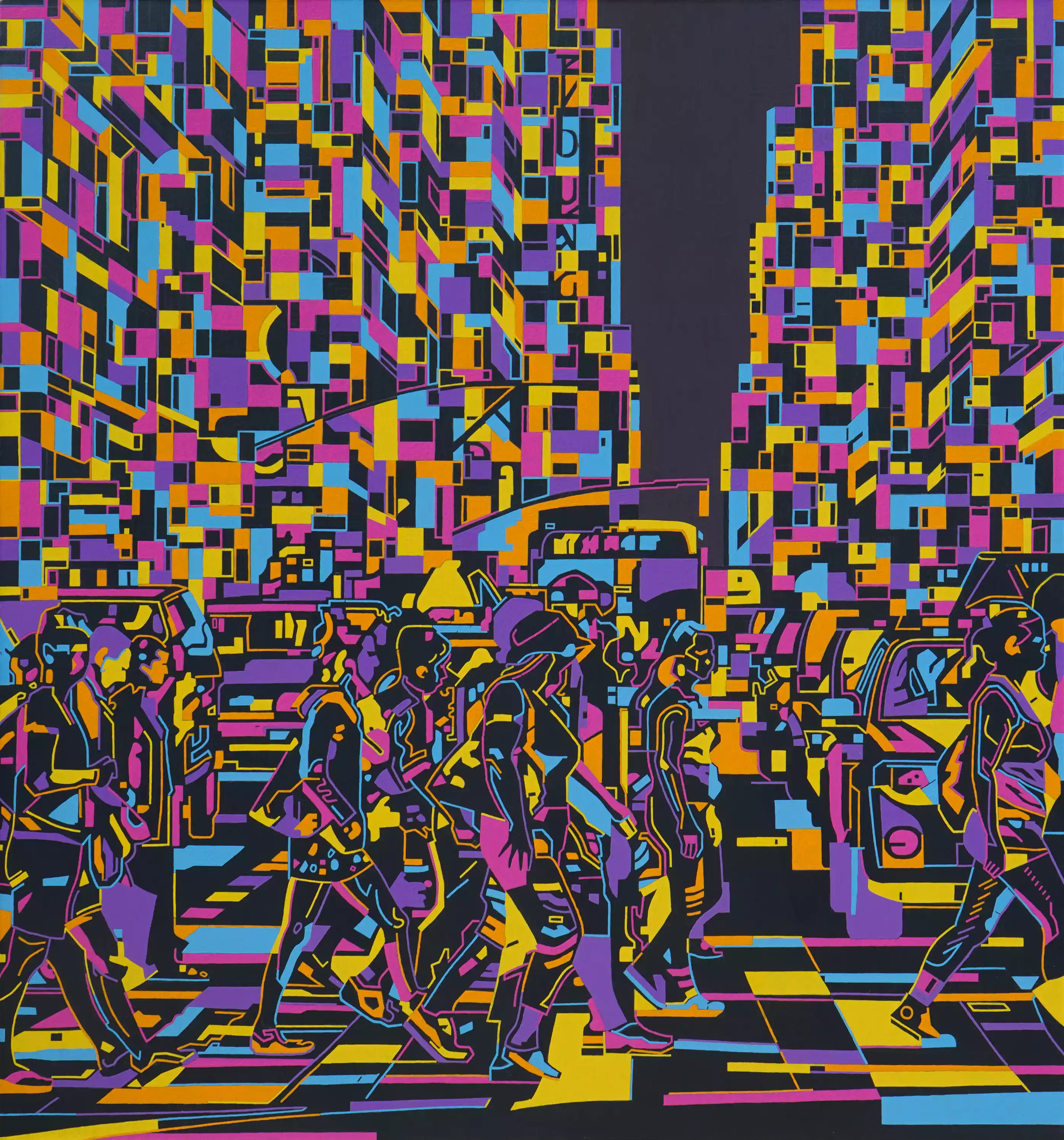
Dadang Rukmana
Melintas Bebas, 2022
acrylic on canvas
150 x 140 cm

Dadang Rukmana
Pucuk-Pucuk Ranting, 2022
acrylic on canvas
140 x 150 cm

Dewa Ngakan Made Ardana
I’m so Tired of Being Excotic I, 2022
pen and chinese ink on hahnemule paper
56 x 76 cm

Dewa Ngakan Made Ardana
I’m so Tired of Being Excotic II, 2022
pen and chinese ink on hahnemule paper
56 x 76 cm
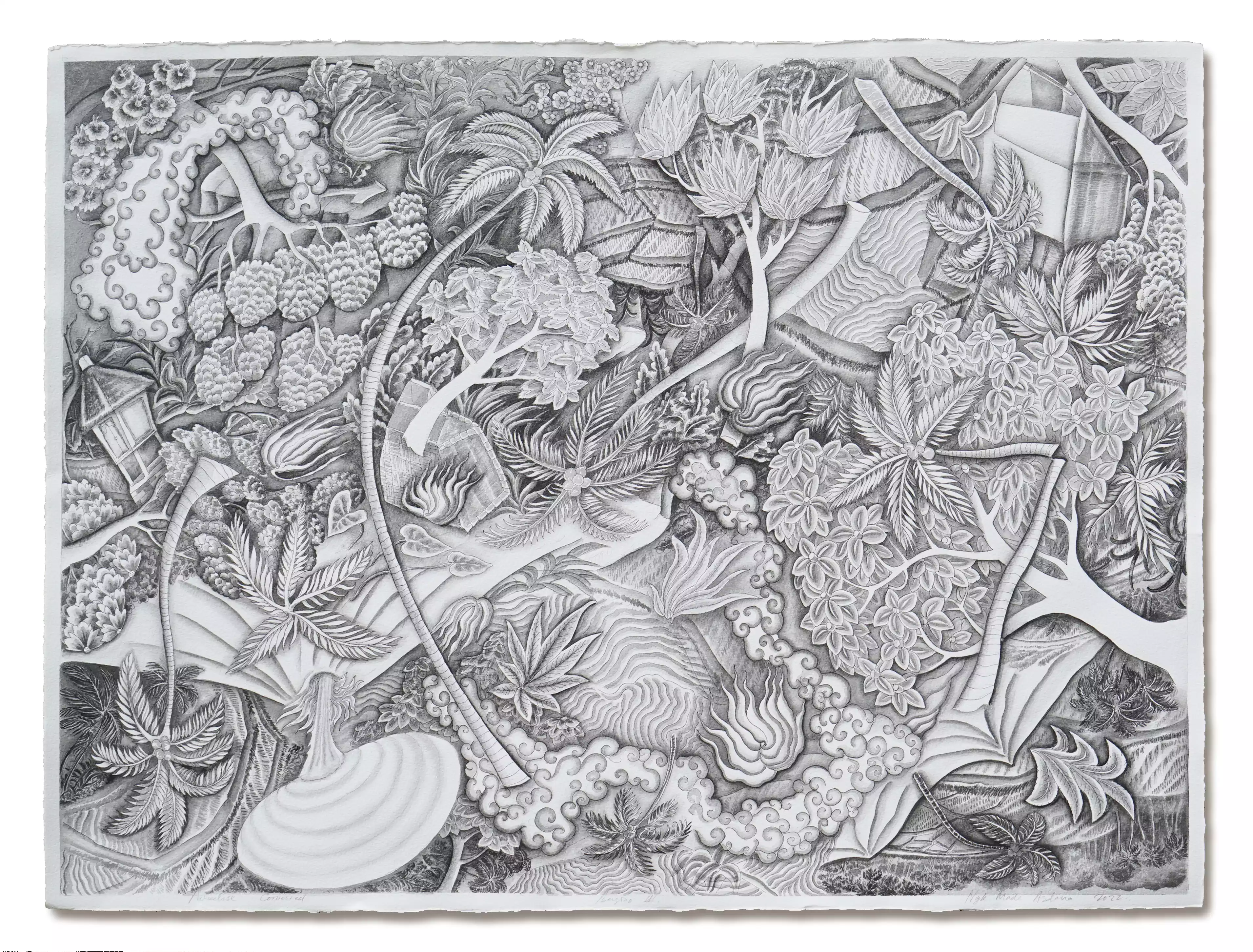
Dewa Ngakan Made Ardana
I’m so Tired of Being Excotic III, 2022
pen and chinese ink on hahnemule paper
56 x 76 cm

Eddie Hara
Carnival of the Fools 4057, 2022
acrylic on canvas
150 x 200 cm
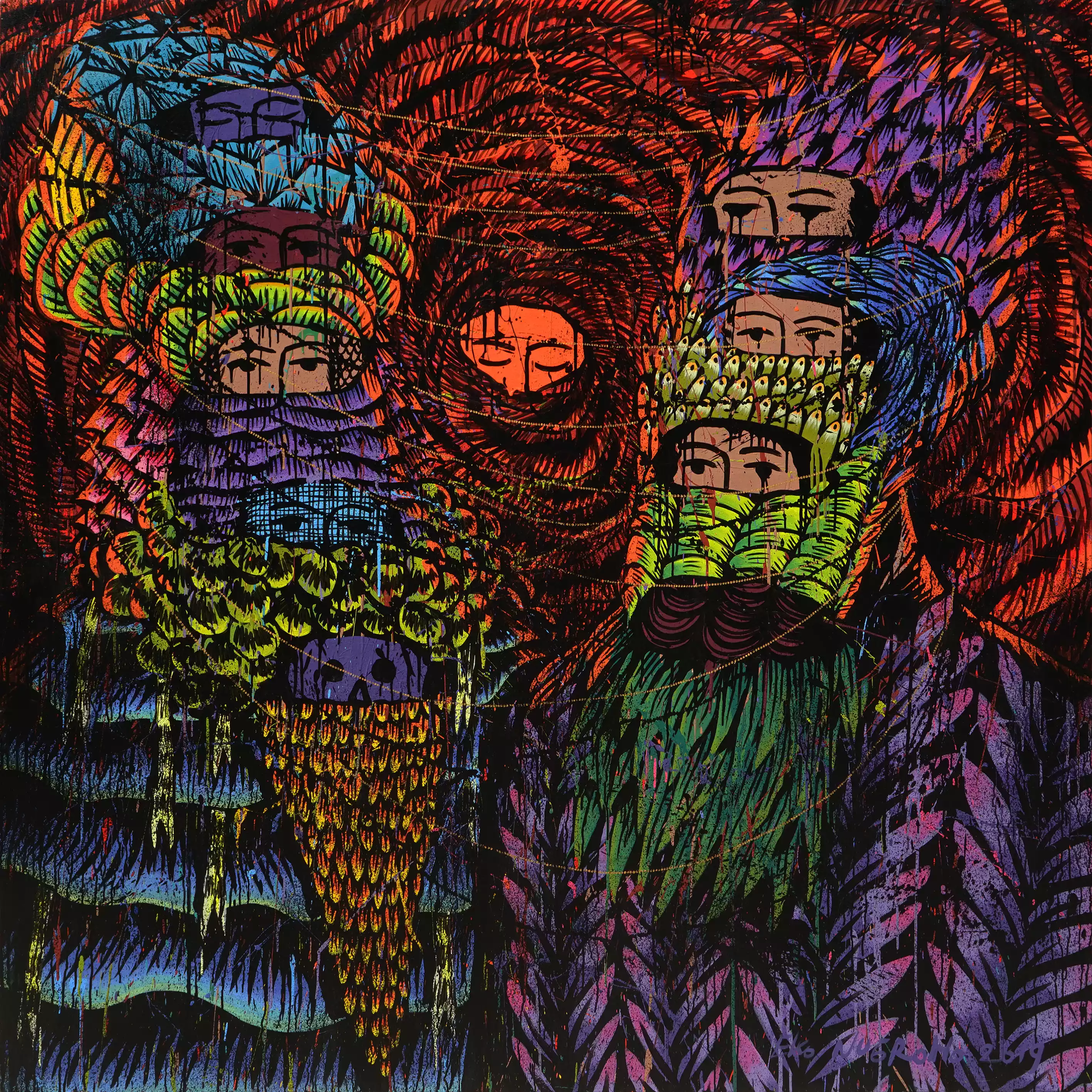
Eko Nugroho
Another Coalition, 2019
acrylic on canvas
200 x 200 cm

Goenawan Mohamad
Dua Mimpi Basah, 2021
oil on canvas
100 x 150 cm

Handiwirman Saputra
Sari Tanah-Galian, 2020
acrylic on canvas
245 x 285 cm

Heri Dono
The Anger of Dutch General in 1945, 2015-2022
acrylic on canvas
150 x 200 cm
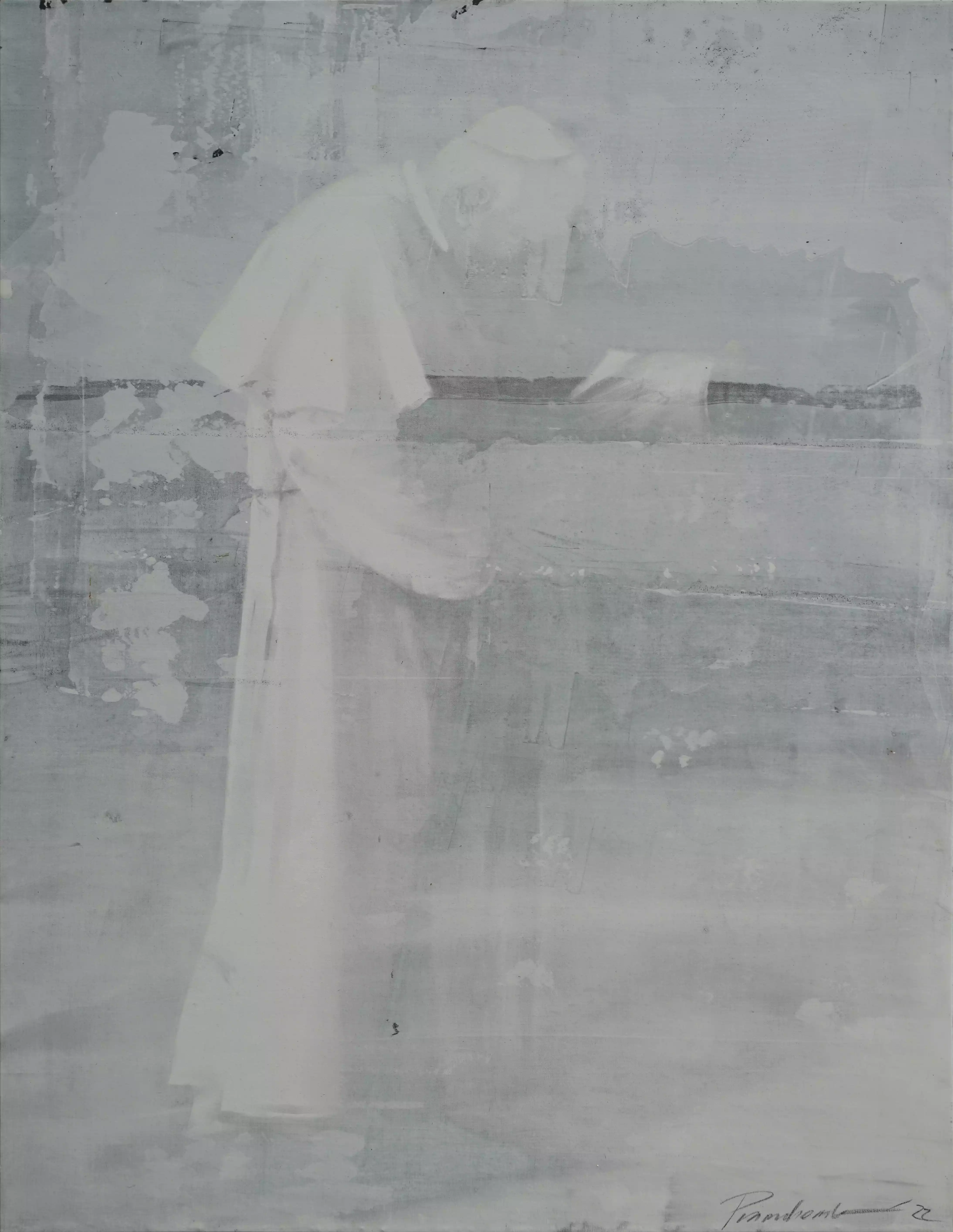
J Ariadhitya Pramuhendra
Delusion, 2022
charcoal and acrylic on canvas
148 x 114,5 cm

J Ariadhitya Pramuhendra
Illusion, 2022
charcoal and acrylic on canvas
50 x 40 cm

Jumaldi Alfi
Taman Rasa #08 / Monument, 2022
acrylic on canvas
130 x 190 cm
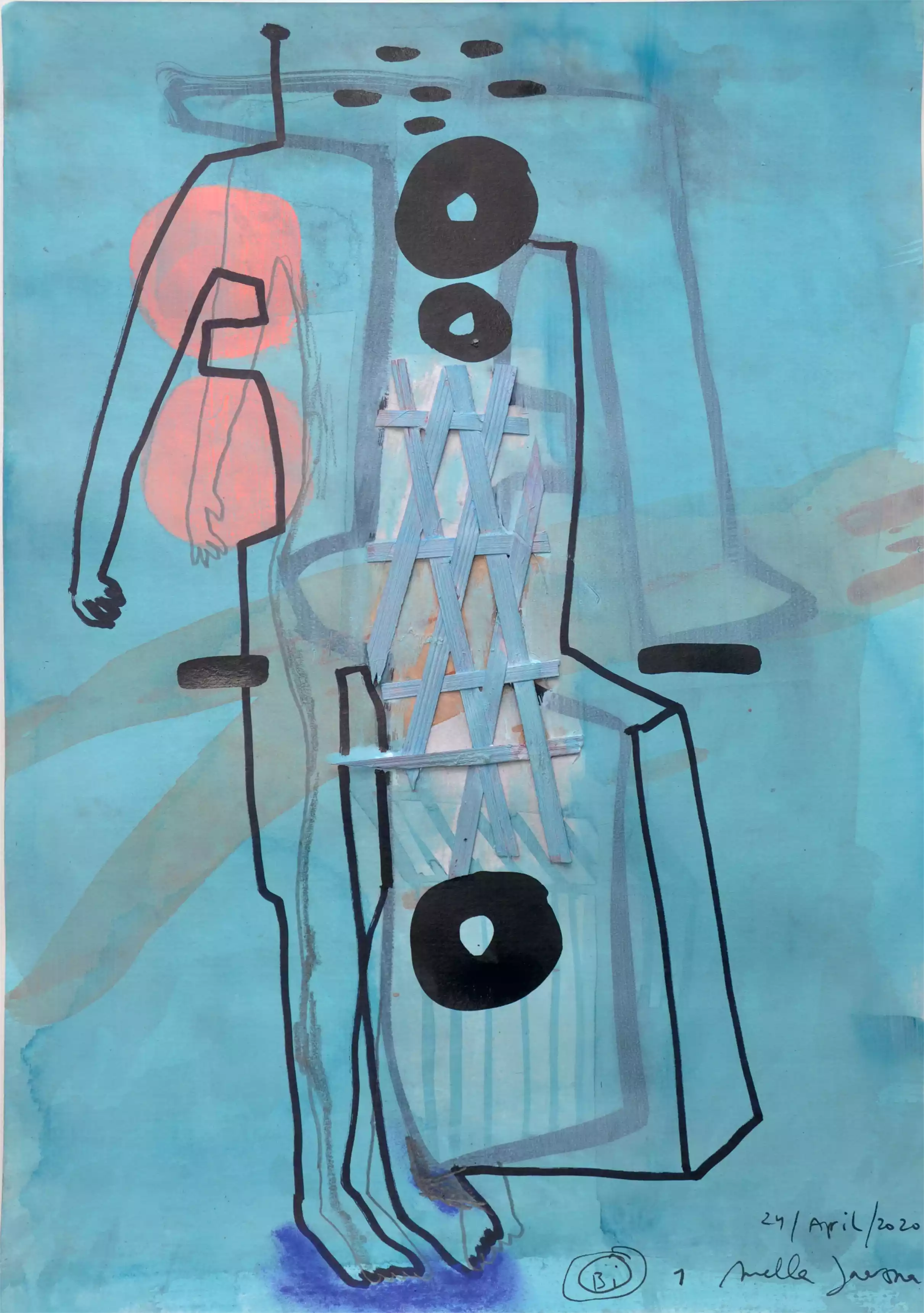
Mella Jaarsma
Bi - Circle 1, 2020
gouache, ink, acrylic, bamboo on paper
38 x 27 cm
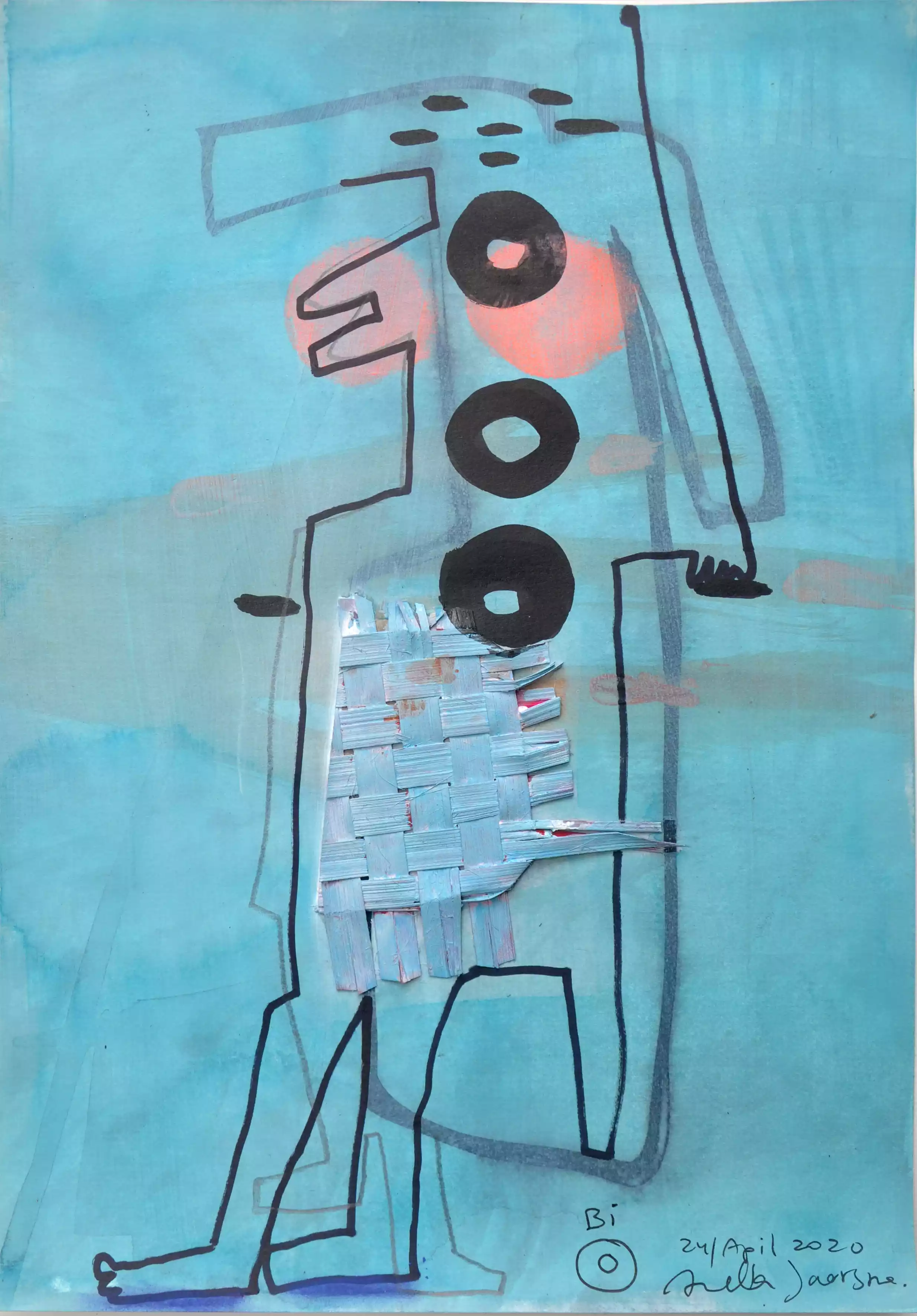
Mella Jaarsma
Bi - Circle 2, 2020
gouache, ink, acrylic, bamboo on paper
38 x 27 cm
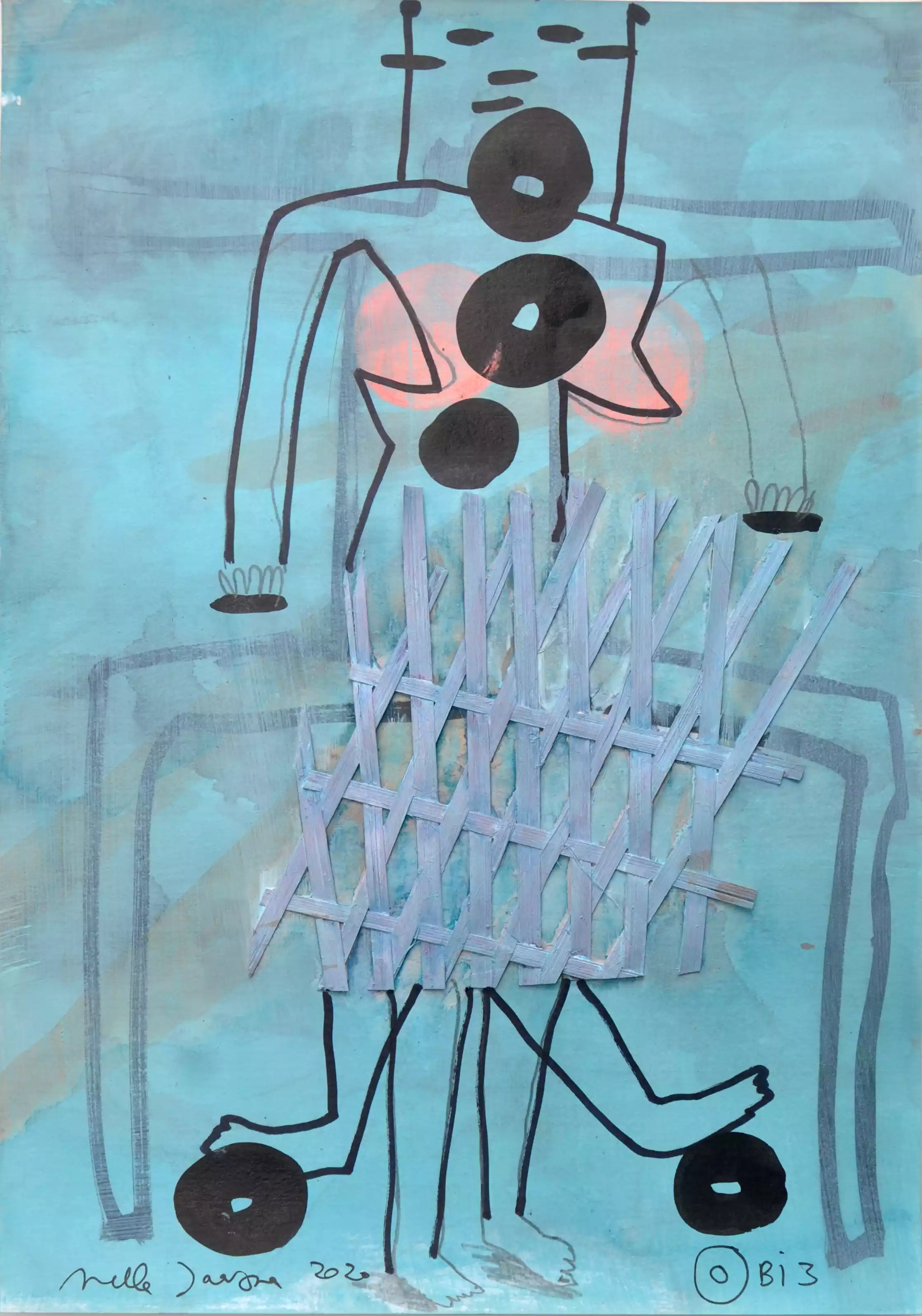
Mella Jaarsma
Bi - Circle 3, 2020
gouache, ink, acrylic, bamboo on paper
38 x 27 cm
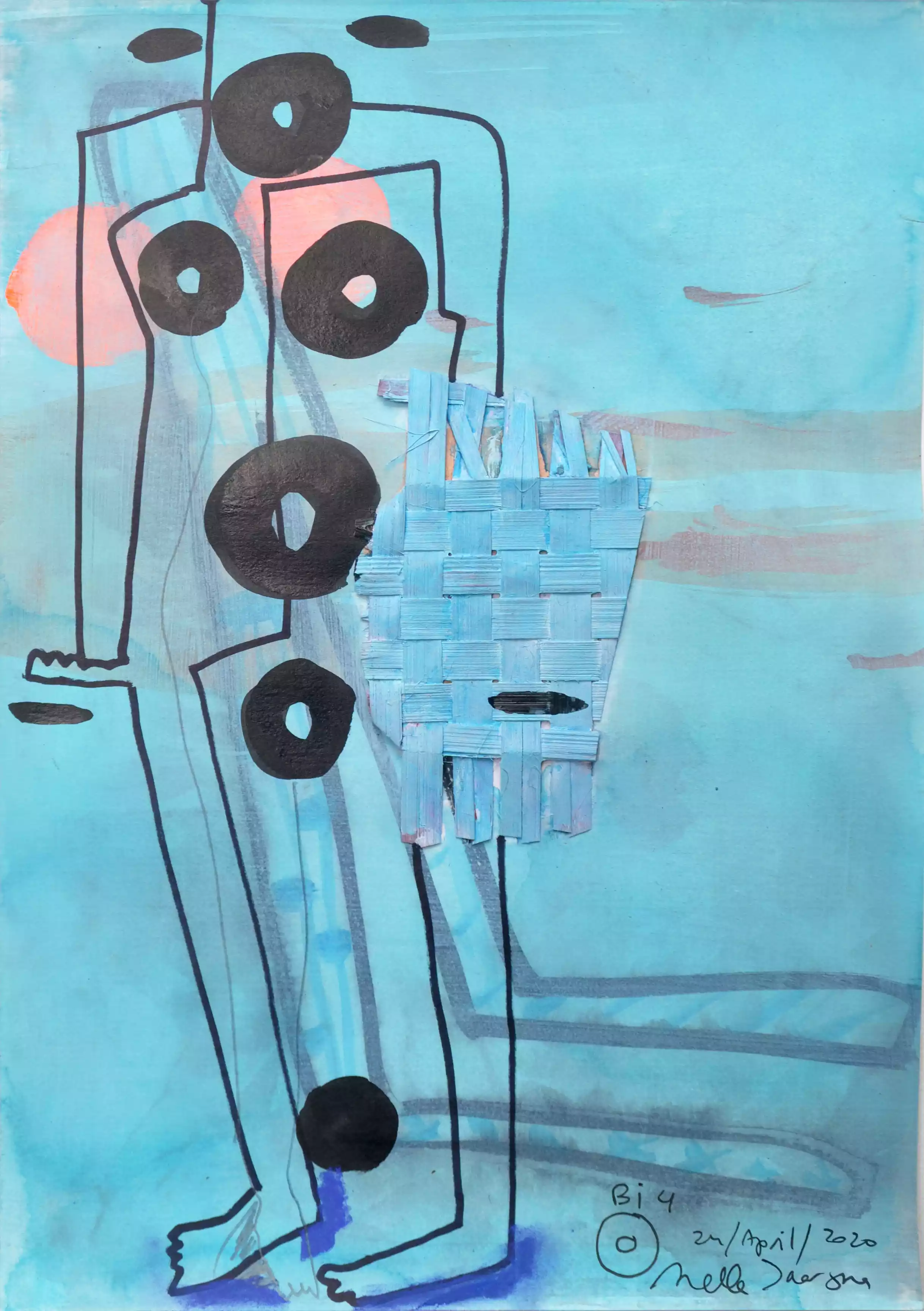
Mella Jaarsma
Bi - Circle 4, 2020
gouache, ink, acrylic, bamboo on paper
38 x 27 cm
_2021_acrylic on canvas_140 x 100 cm.webp)
Ronald Efendi
Mengutip Socrates - Gnothi Seauton (Know Thyself), 2021
acrylic on canvas
140 x 100 cm
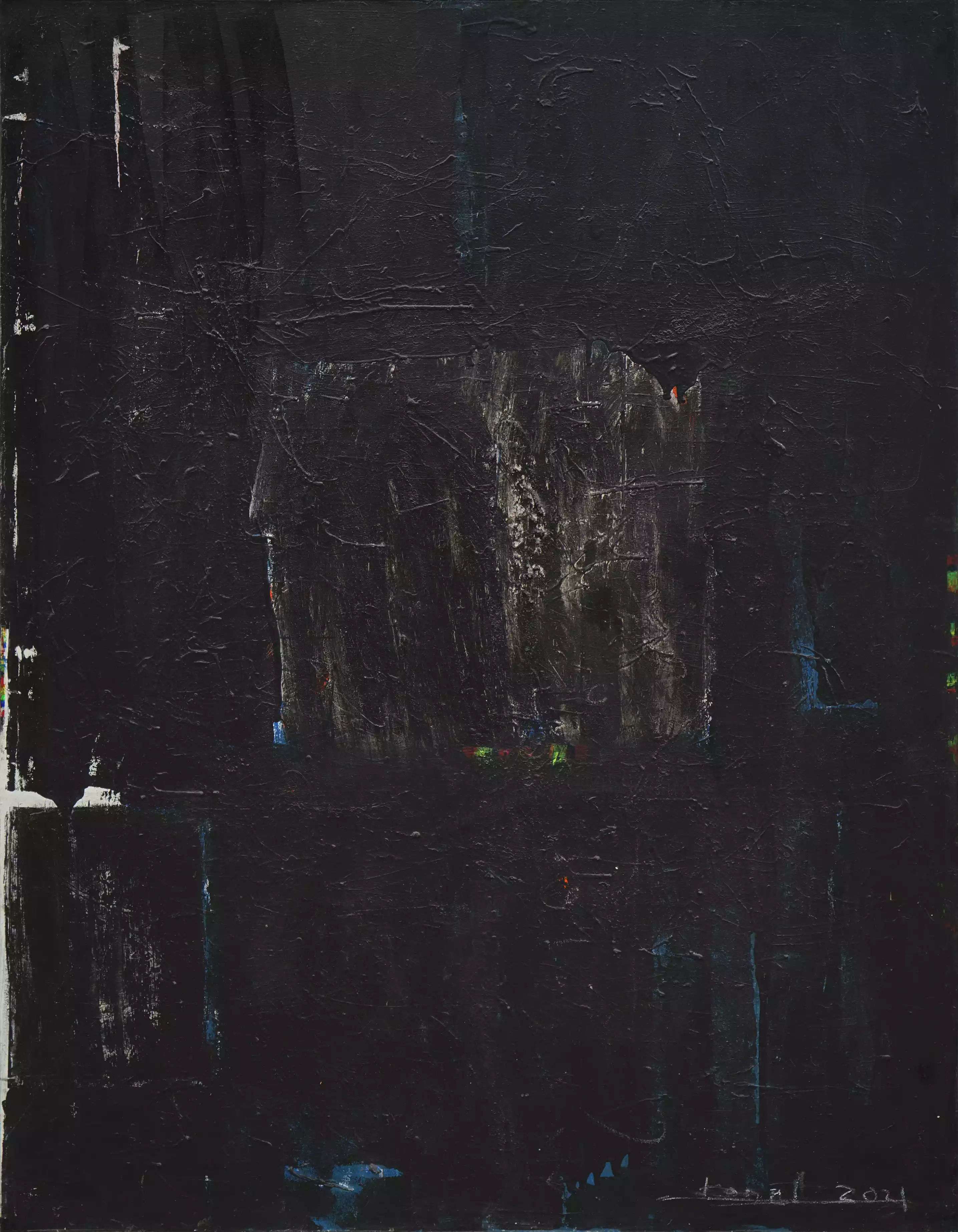
Ronald Efendi
Sudut Malam, 2021
acrylic on canvas
180 x 140 cm

Sardono W Kusumo
Venice Underwater #01, 2020
oil on canvas
235 x 185 cm

Sardono W Kusumo
Venice Underwater #02, 2020
oil on canvas
225 x 175 cm
.webp)
Teguh Ostenrik
The Illusion of Power, 2022
mixed media on canvas
180 x 160 cm (diptych)
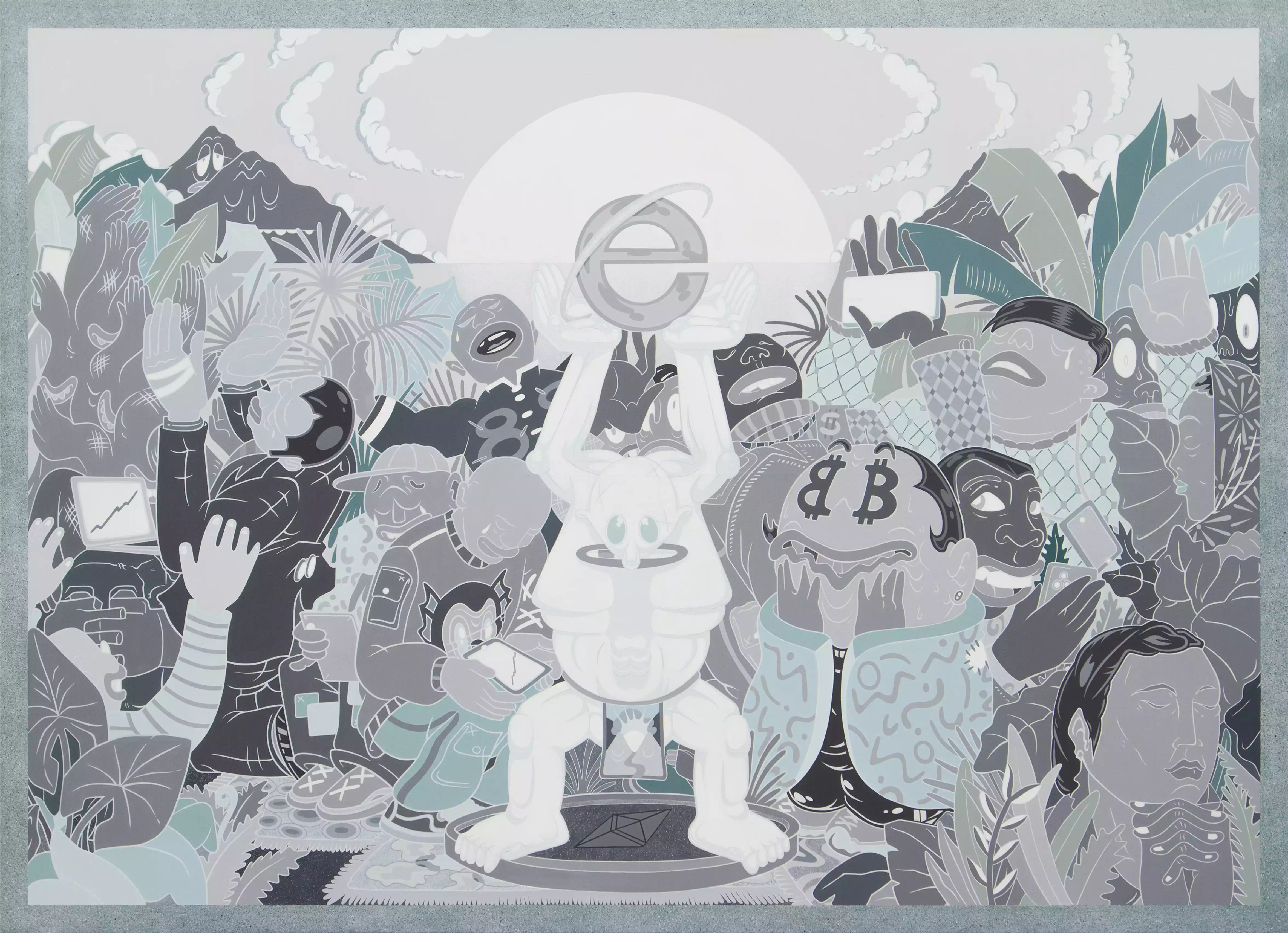
Uji 'Hahan' Handoko Eko Saputro
St.Corono, 2020-2022
acrylic on canvas
165 x 228 cm
.webp)
Yuli Prayitno
Awal, 2021
acrylic on canvas
240 x 119 cm (tetraptych)
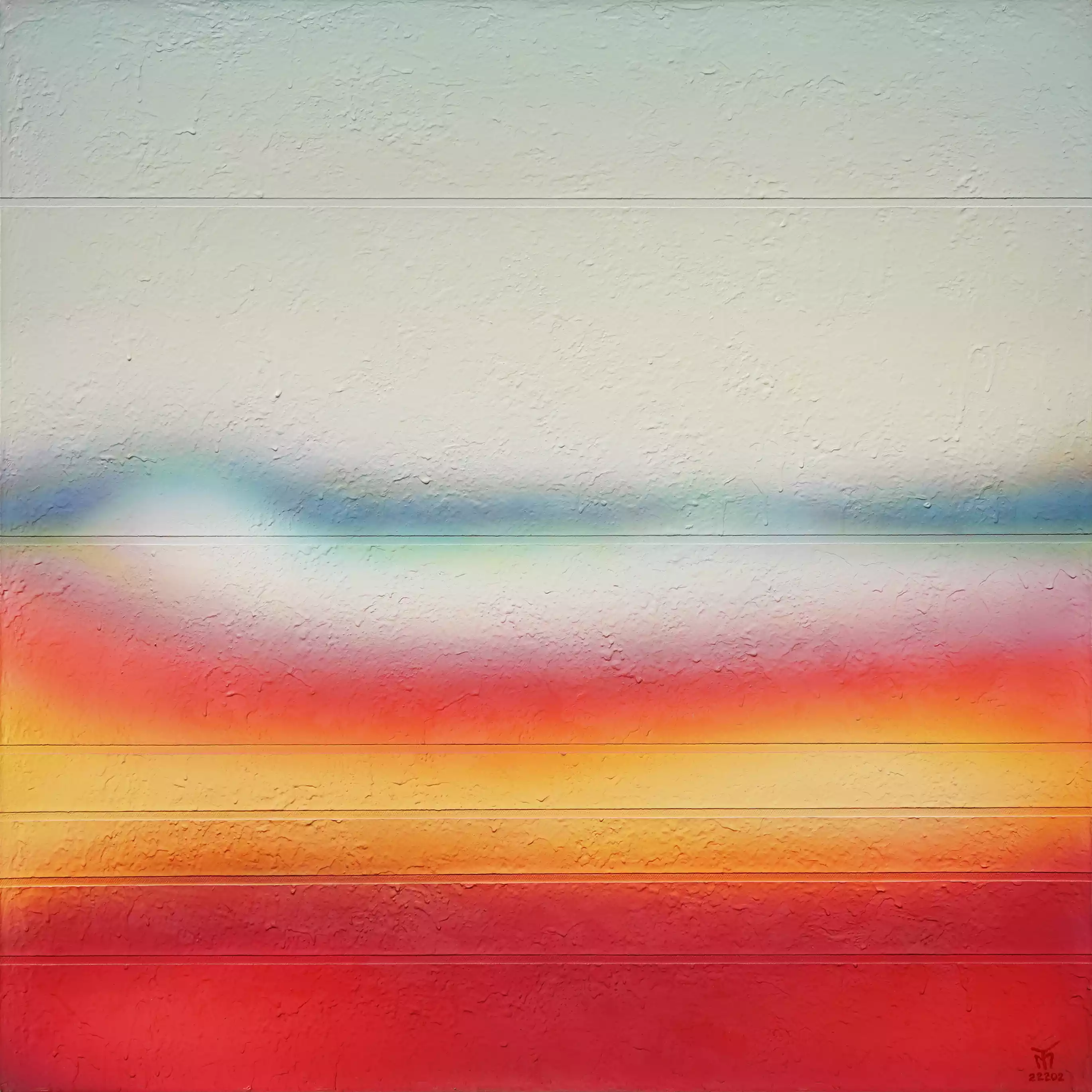
Yusra Martunus
22202, 2022
acrylic on canvas
80 x 80 cm
, 2022, acrylic on iphone_16 x 8 x 1 cm.webp)
Yusra Martunus
22301 (Non-Functional Touch), 2022
acrylic on iphone
16 x 8 x 1 cm