
15.09.25 — 12.10.25
Menolak sekaligus Merengkuh
A group exhibition by Abdi Setiawan, Agung Santosa, Afdhal, Akmal Jaya, Alexis, Dodi Irwandi, Fika Ria S, Gusmen H, Handiwirman Saputra, Iabadiou Piko, Jumaldi Alfi, M.Irfan, Ridho Rizki, Ronal Efendi
Download E-Catalogue
At Once to Reject and Embrace
“Takuruang Nak di Lua, Taimpik Nak di Ateh Terkurung Ingin di Luar, Terimpit Ingin di Atas
Confined (one) wants out, Crushed (one) seeks to be on top” Anomalous Minangkabau proverb
In the repertoire of Minangkabau philosophy, the proverb above is irregularly constructed. In order
to understand this proverb, one needs understanding of the lingual and extra-lingual contexts. The
lingual context refers to words, phrases, sentences that come before or after. The extra-lingual
context relates to the speaker and receiver, the context in which speech occurs, and the subject
matter at hand. The words that constitute the proverb above can be seen to possess varied meaning,
dependent on one’s own understanding. Such proverbs also function as societal recommendations that
cannot be separated from certain rules or restrictions. For example, if a recommendation reads as
such, the restriction results in its opposite. Put differently, a recommendation for how to achieve
a long life, relates to a restriction that prevents a quick death.
Takuruang Nak di Lua, Taimpil Nak di AtehTakuruang Nak di Lua, Taimpil Nak di Ateh or
Confined (one) wants out, crushed (one) seeks to be on top. I understand this proverb as reference
to man’s desire to change in relation to previous conditions. A condition that is separate or
incapable of being confined and squeezed, to change such a condition requires effort, because change
only manifests itself if the individual himself is able to change. This essay is intended as an
accompaniment for the exhibition, organized by Nadi Gallery in cooperation with the Sakato Art
Community (SAC). It is not a curatorial introduction. SAC’s first experience working together with
Nadi Gallery began in 2005 with the exhibition entitled “Re-Reading Landscap,” curated by Maman
Noor. In this exhibition, the curator along with SAC set out to reread landscape painting and its
history that has continued to develop in West Sumatra since the beginning of the 20th century thanks
to the efforts of Wakidi who studied and then taught at the Kweek School in Bukittinggi. In
contrast, the present collaboration with Nadi Gallery is done without the aid of a curator
attempting to read the history of West Sumatran fine art. Though of course a curatorial process took
place, carried out by both parties or organizers, namely Nadi Gallery and SAC. It is this process
that I pay heed to here.
The desire to organize this exhibition emerged during the preparation for SAC’s exhibition, BAKABA
#6, held only a few months ago in Yogyakarta. As such, it can be stated there was not enough time to
prepare an exhibition like SAC’s first collaboration with Nadi Gallery. This exhibition follows 13
artists from SAC, chosen by both parties. However, the selection of works themselves was trusted to
the artist to choose their best work.
When the artists, part of Sakato, enter the community’s social life, their position is based on a
definite relationship, namely art. The relationship of an individual to this community is not
entirely dependent on their own will, but rather on the relationship of their artistic method and
social work. It is the variety of such method and style that result in the unity of this community.
Returning to the activities of the artists part of this exhibition, each day these individuals work
in their respective studios, sometimes gathering at the Sakato Secretariat as well as other spaces
to discuss art and life, or meeting at exhibitions in the various galleries throughout Yogyakarta.
And of course, beyond their activities as artists, these individuals cherish their personal (family)
lives inside and outside of the home, participating in the general development of human achievement
through various media.
Looking at this way of life, particularly the way in which SAC artists gather, one observes a desire
to live an egalitarian lifestyle, reminiscent of these artists’ ancestors. This is at least proof
that SAC and its members continue to embrace Minangkabau values in their daily life outside of the
Minangkabau heartland itself. So, one might ask, where is this egalitarianism located? If one takes
only a cursory look at Minangkabau, they will only see a single culture. However, this culture is
constituted by differences in each region, certain things are not uniform across Minangkabau
culture, referring here to the character of specific nagari or regions that comprise the Minangkabau
heartland. For example, if one looks at language, they will find that the language used in Padang is
different than the language used in Bukittinggi or other nagari. Yet, despite these differences each
local language is considered part of the Minangkabau language. While on one hand there is a
resistance amongst regions to be one and the same, on the other hand there is an embrace of
similarities.
Previous generations reveal how the Minangkabau upheld such difference, for example if one examines
the contrast between Hatta, Syahrir and Tan Malaka. In terms of fine art, this is also seen through
the example of Nashar, Oesman Effendi, and Zaini, although they are often seen to have had a similar
orientation in their art. Finally, this can also be seen via the thirteen artists part of this
exhibition. The differences in their work are not forced, but rather, are the result of the freedom
to live their own lives.
Yet, if this is the case, if members of SAC exhibit together, is it possible to collectively discuss
a particular issue or discourse? Of course, it is possible! The exhibition “Re-reading Landscap” in
2005 is just one example. In this exhibition, each artist explored the issue of landscape based on
their individual mode of expression. The result was a variety of representations exploring
landscape.
To discuss the artists part of Sakato Art Community is not possible without also discussing
Minangkabau culture; a culture that in the midst of cultures globally, is quite unique. This
uniqueness is derived from the Minangkabau’s matrilineal system of inheritance and matriarchal
culture that at the same time, is also influenced by the Minangkabau embrace of Islam, a patriarchal
religion. As such, Minangkabau must learn to marry so to speak these two different perspectives or
streams of life. This is just one example that relates to this exhibitions title, “At Once to Reject
and Embrace.” Even those artists who have chosen to live in Yogyakarta, in the midst of Javanese
culture, cannot remove themselves from the rails of Minangkabau life.
In July 1976, Oesman Effendi delivered a speech at Taman Ismail Marzuki (TIM) in Jakarta regarding
Minangkabau living in the rantau (any area outside of the Minangkabau heartland), in this case Java.
In this speech, given in correlation with an exhibition of artists from Padang held at TIM, Effendi
states, “It is crazy to think that any person who has achieved something in the rantau will want to
return to his village, just let them help their homeland from afar.” He then added, “the height of
Minangkabau achievement will be more fully visibly Minang, because Minangkabau people have proven
that those who advance or establish a name for themselves in the rantau, in general, cannot free
themselves from the influence of Minangkabau culture, even if that individual swore to death that
they no longer wished to know Minangkabau society.”
Am I saying that the artists part of this exhibition: Abdi Setiawan, Afdhal, Akmal Jaya, Alexis,
Dodi Irwandi, Fika Ria Santika, Gusmen Heriadi, Handiwirman Saputra, Iabadiou Piko, Jumaldi Alfi, M.
Irfan, Ridho Rizki, Ronald Efendi are individuals that refuse to return home so to speak, but
continue to embrace Minangkabau values in life and art? Of course, the one most capable of answering
this question are the artists themselves. In his Night Letters, Nashar already answered this
question, writing that every place he had already visited, he was able to love, after the
exploration of its nature, making it his village! In fact, this is the mindset of Minangkabau, where
there is sky above one’s head, there is land on which to live. In line with the proverb quoted at
the beginning of this essay, there is a consistent conscious effort to move beyond a confined state
and restricted mode of thought.
The most basic philosophies of Minangkabau society are to learn from nature and to resolve problems
based on custom and religion. The development of this society is the result of modern education.
Today, Minangkabau live in the context of the Republic of Indonesia, founded on the principles of
Pancasila and the desire to develop the various regions of the archipelago according to the ideals
of a unified nation. The successful development of a Minangkabau world, is the result of the
successful development of Indonesia, referring again to Oesman Effendi. Hopefully each nation
realizes that Indonesia is the result of such difference, still capable of resisting division and
embracing unity. In order that this nation does not run from the rails of unity.
Anton Rais Makoginta
Yogyakarta, August 2017
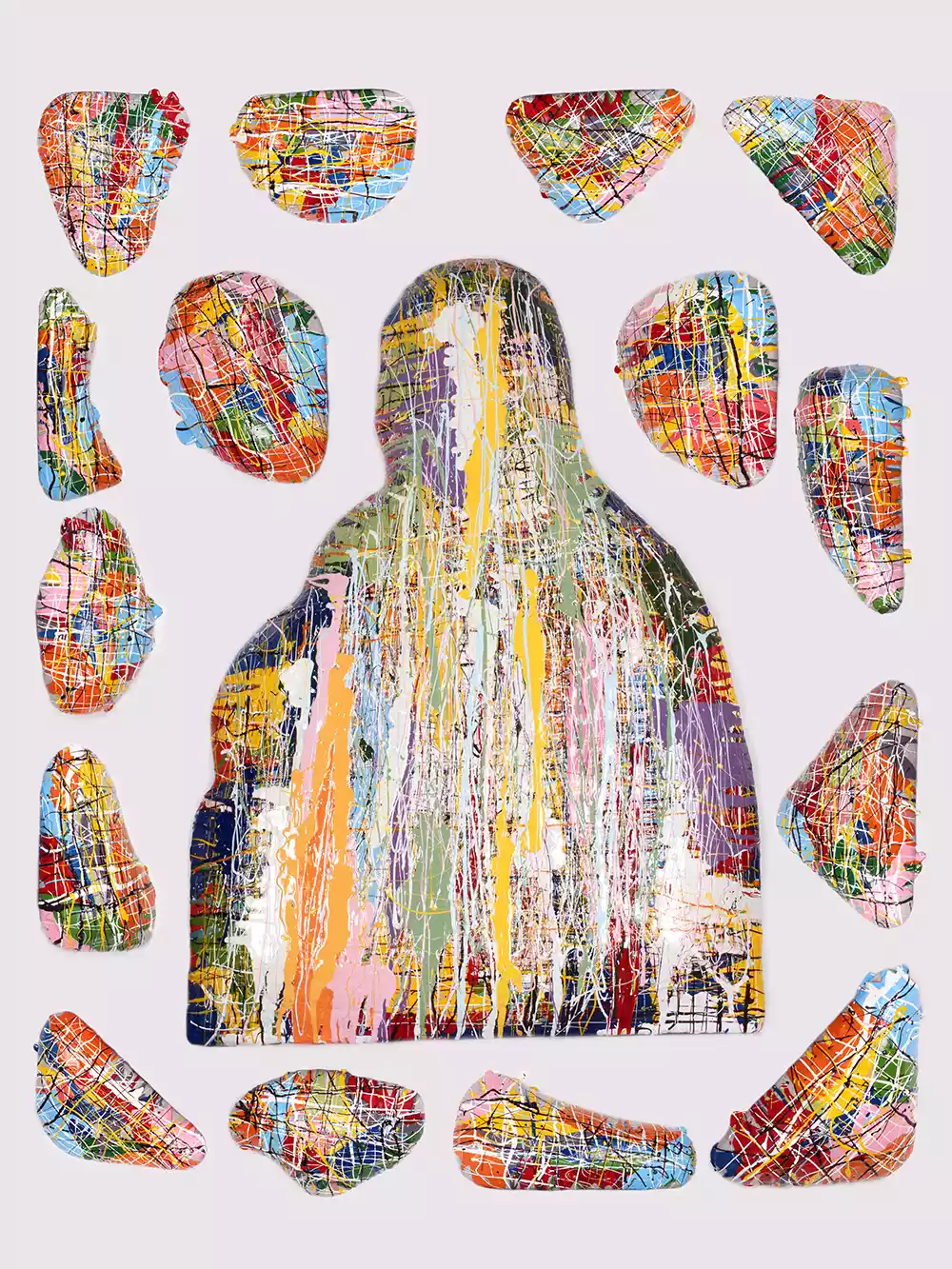
Abdi Setiawan
Monalisa, 2017
Fiberglass colour pigmen and fosfor
240 x 165 cm
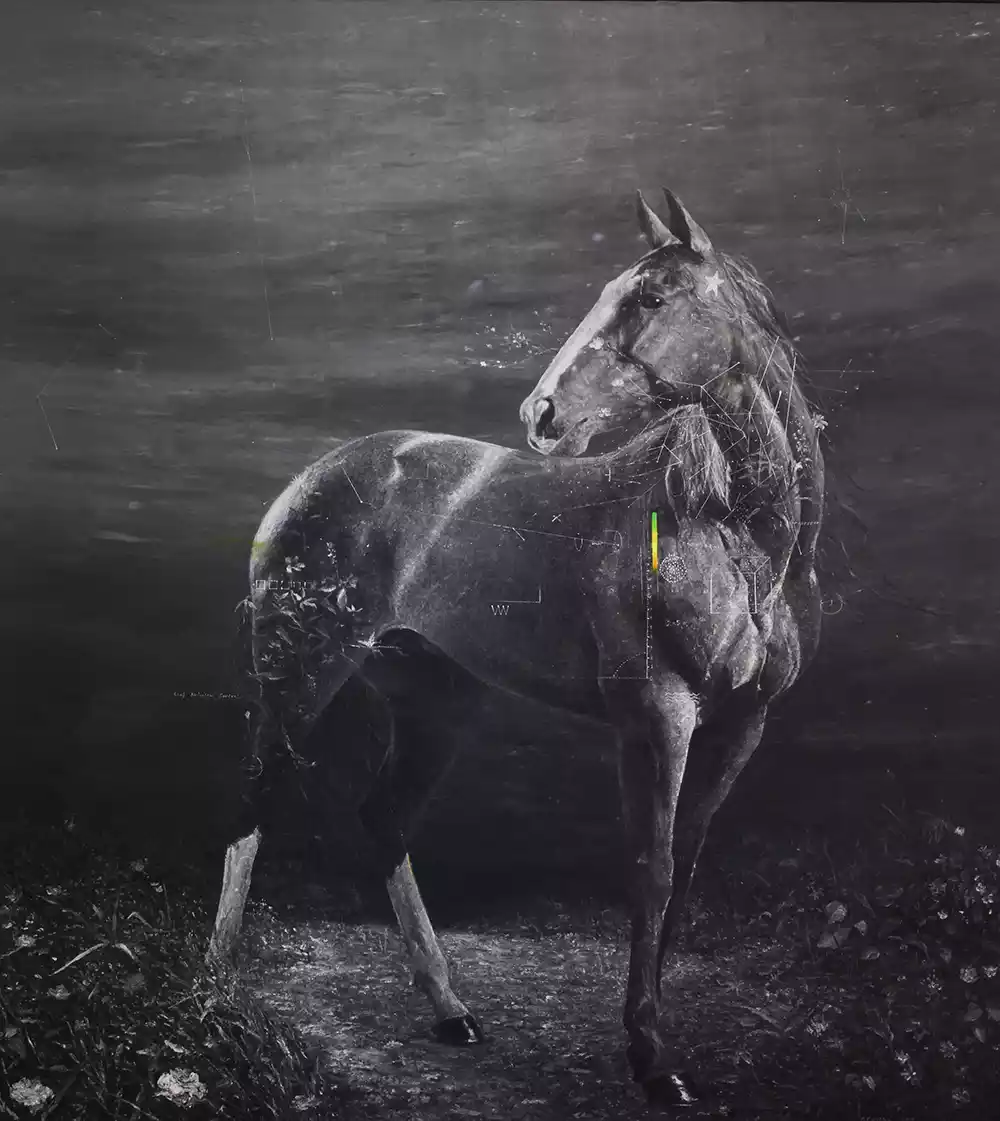
Afdhal
Tumbuh #2, 2017
Acrylic on canvas
200 x 180 cm
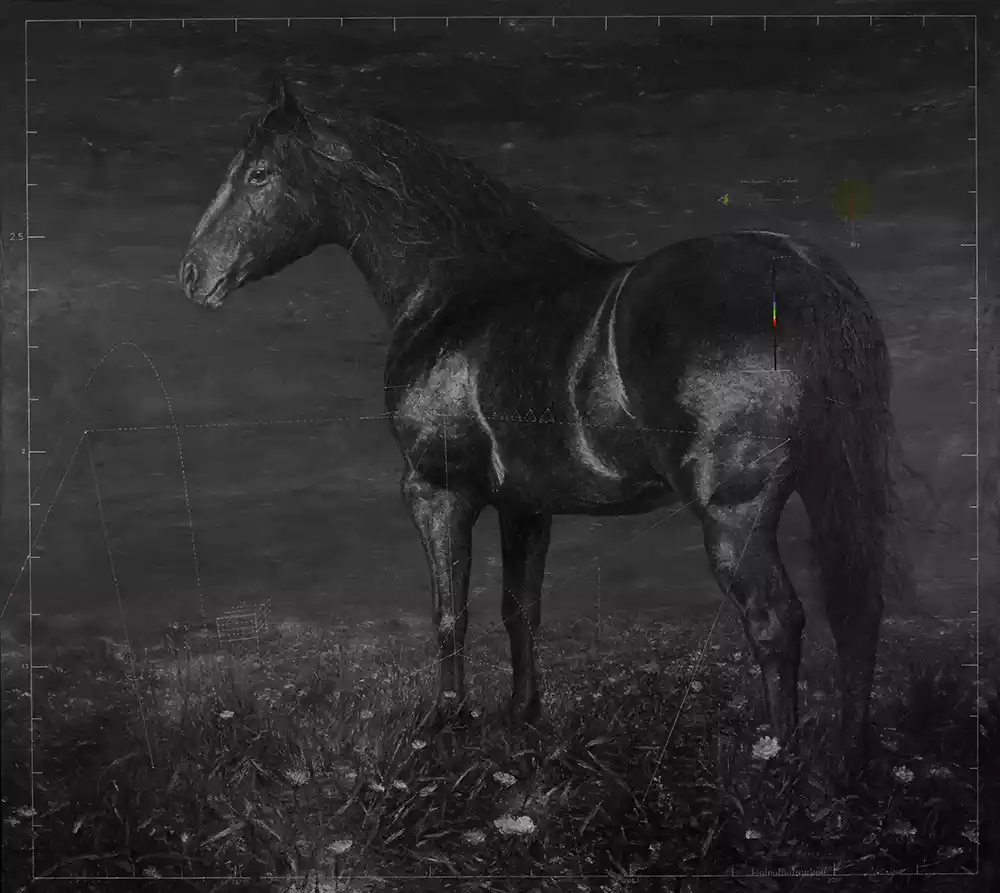
Afdhal
Tumbuh #3, 2017
Acrylic on canvas
200 x 180 cm
_2017_Mixed media_15 x 30 x 8 cm.webp)
Agung Santosa
Satu Bagian (Bagian Lainnya), 2017
Mixed media
15 x 30 x 8 cm
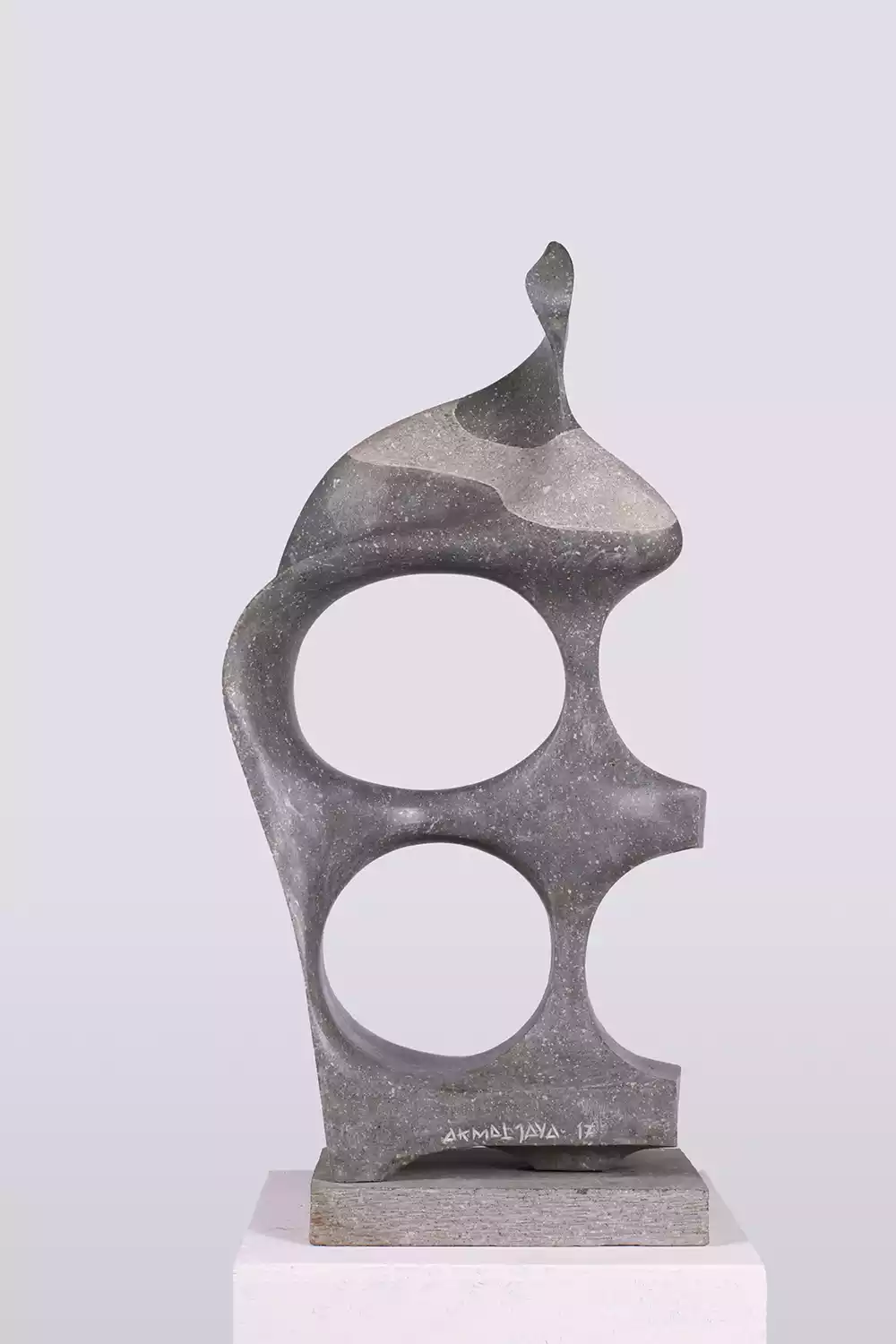
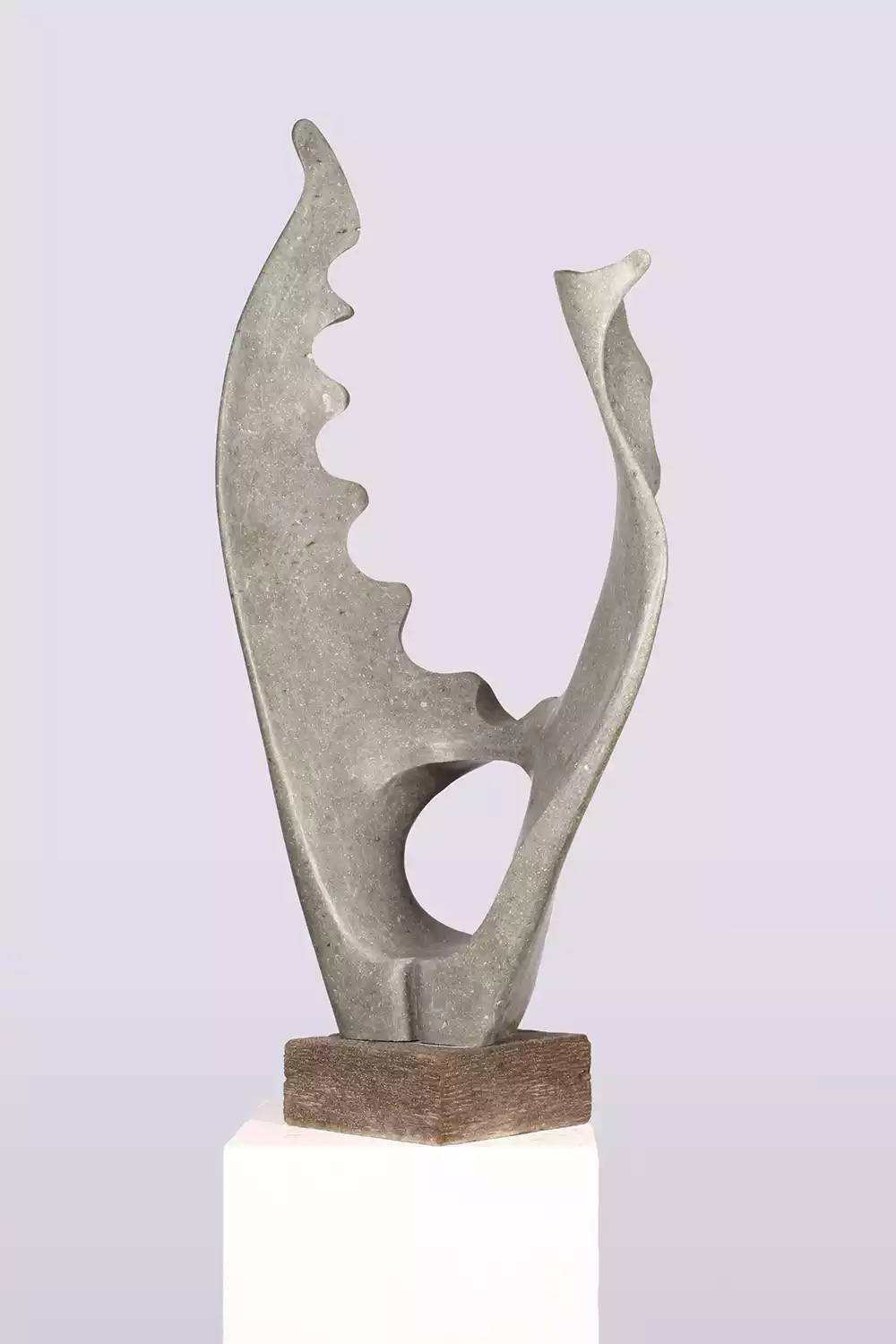
Akmal Jaya
Tumbuh#3, 2017
Granite
77 x 39 x 15 cm
Akmal Jaya
Tumbuh#4, 2017
Granite
113 x 70 x 25 cm
Alexis
Mengintai, 2017
Acrylic on multiplek
245 x 128 cm x 15 mm

Alexis
The Journey, 2017
Oil paint on teakwood
60 x 25 x 49 cm

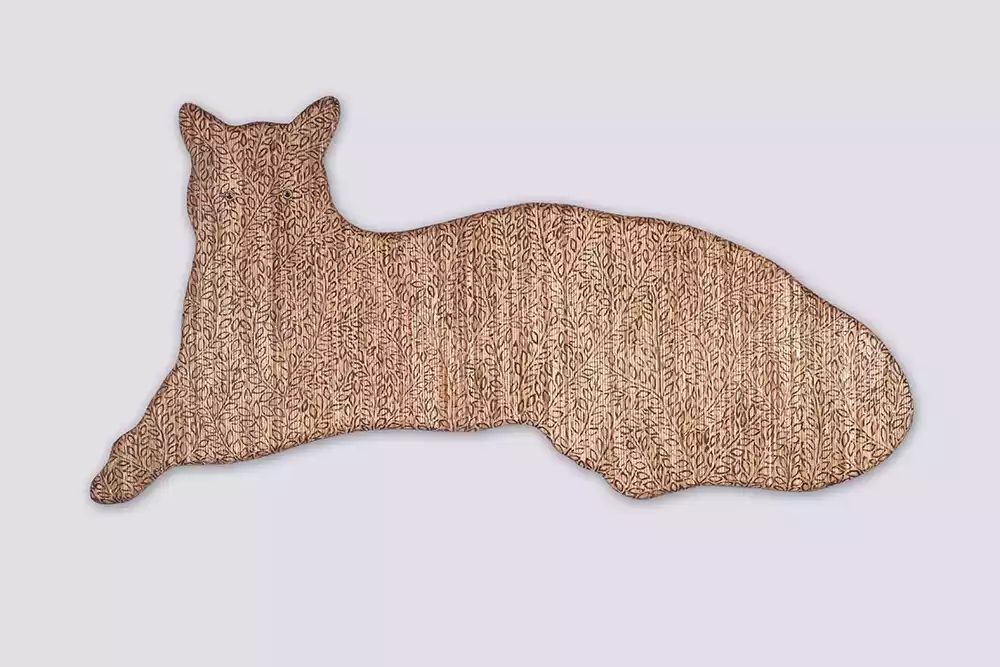
Alexis
Tiger, 2017
Acrylic on multiplek 15 mm
241 x 108 cm
_2017_Acrylic on canvas_100 x 145cm.webp)
Dodi Irwandi
Masih Kokoh (ngarai takuruang), 2017
Acrylic on canvas
100 x 145cm
_2017_Acrylic on canvas_112 x 163 cm.webp)
Dodi Irwandi
Penghubung (Lanscape), 2017
Acrylic on canvas
112 x 163 cm
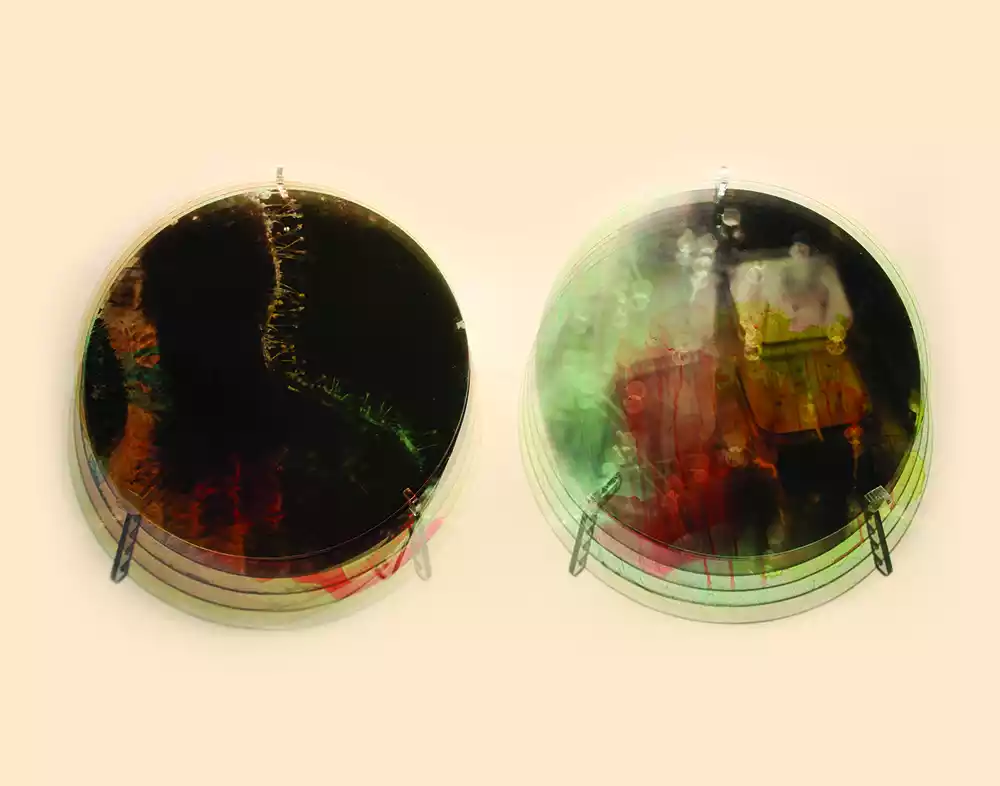
Fika Ria S
Tumpuk Lapis, Tampak Isi Mystic #3, 2017
Digital print, oil paint on plexiglass
D: 60 cm x 2

Fika Ria S
Tumpuk Lapis, Tampak Isi, Multiple Layers, 2017
Resin, beads, fabric, thread, nylon, oil paint, LED, plexiglass, sensor
D: 100 cm

Gusmen H
Women and Gun, 2017
Cotton, acrylic on canvas
220 x 200cm
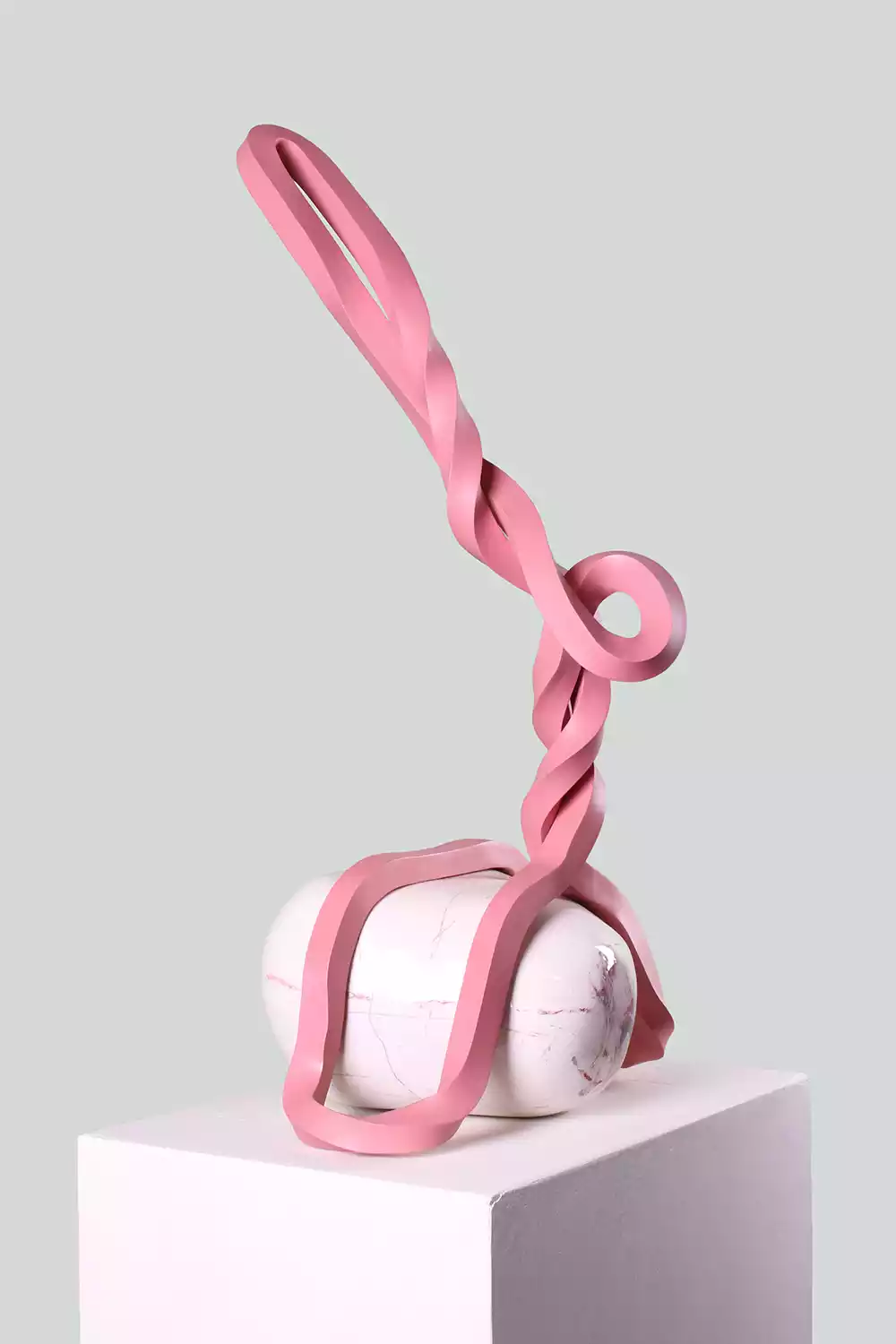
Handiwirman Saputra
Tutur Karena – dan bentuk istirahat dengan dua tutupan, 2017
Acrylic, resin fiber, car paint
31 x 31 x 75 cm
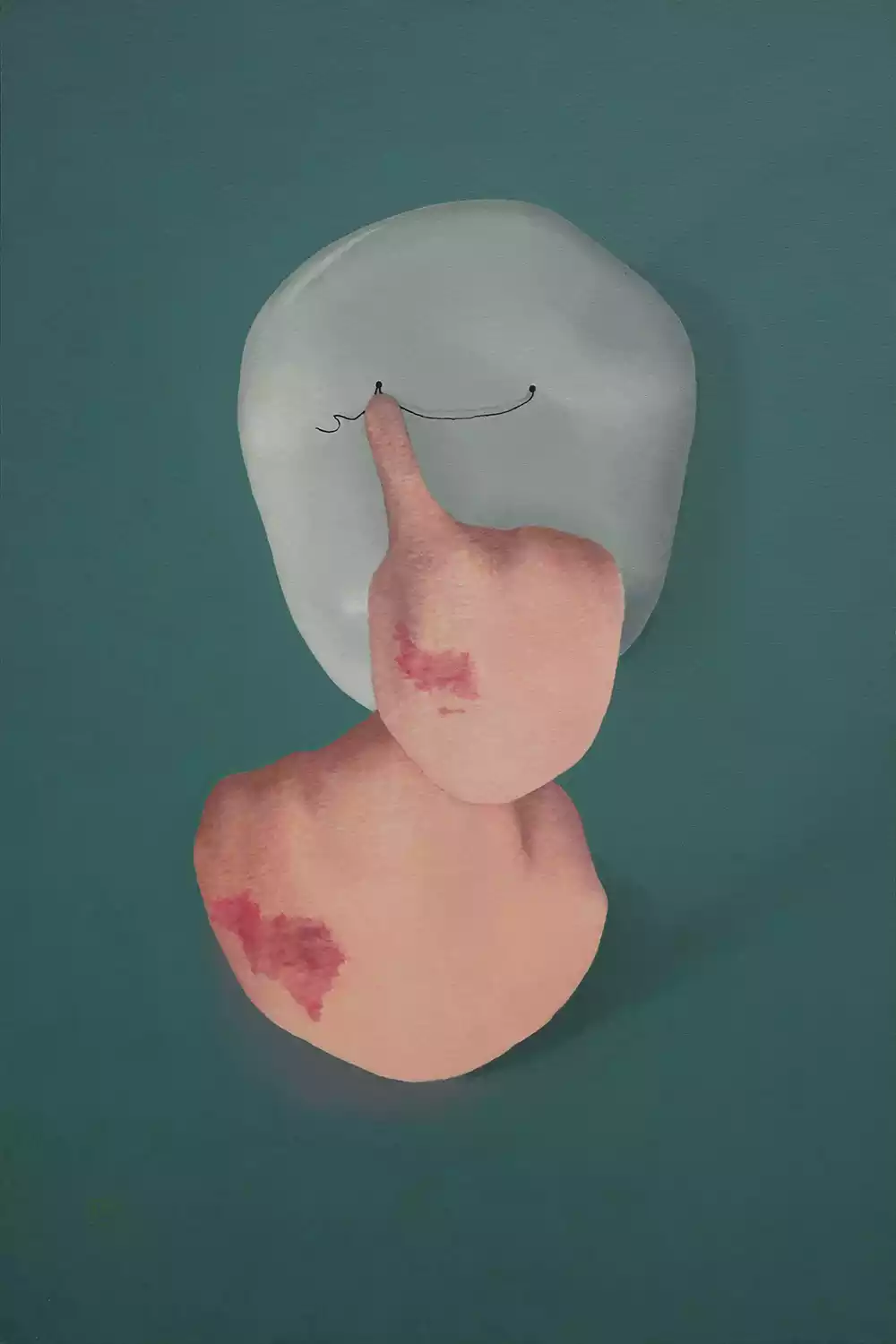
Handiwirman Saputra
Tuturkarena – Dan Jangan Bersedih, 2017
Acrylic on canvas mounted on composite panel
120 x 80 cm

Iabadiou Piko
2017, 2017
Spray Paint, Acrylic on linen blend
200 x 150 cm

Iabadiou Piko
Anatomi Kabur, 2017
Spray Paint, Acrylic on linen blend
200 x 150 cm

Jumaldi Alfi
Melting Memories, Collage Painting #03, 2015
Acrylic on linen
190 x 220 cm

Jumaldi Alfi
Melting Memories, Collage Painting #05, 2015
Acrylic on linen
190 x 220 cm

M.Irfan
Psychedelic dream car, 2017
mixmedia on canvas
250 x 200 cm
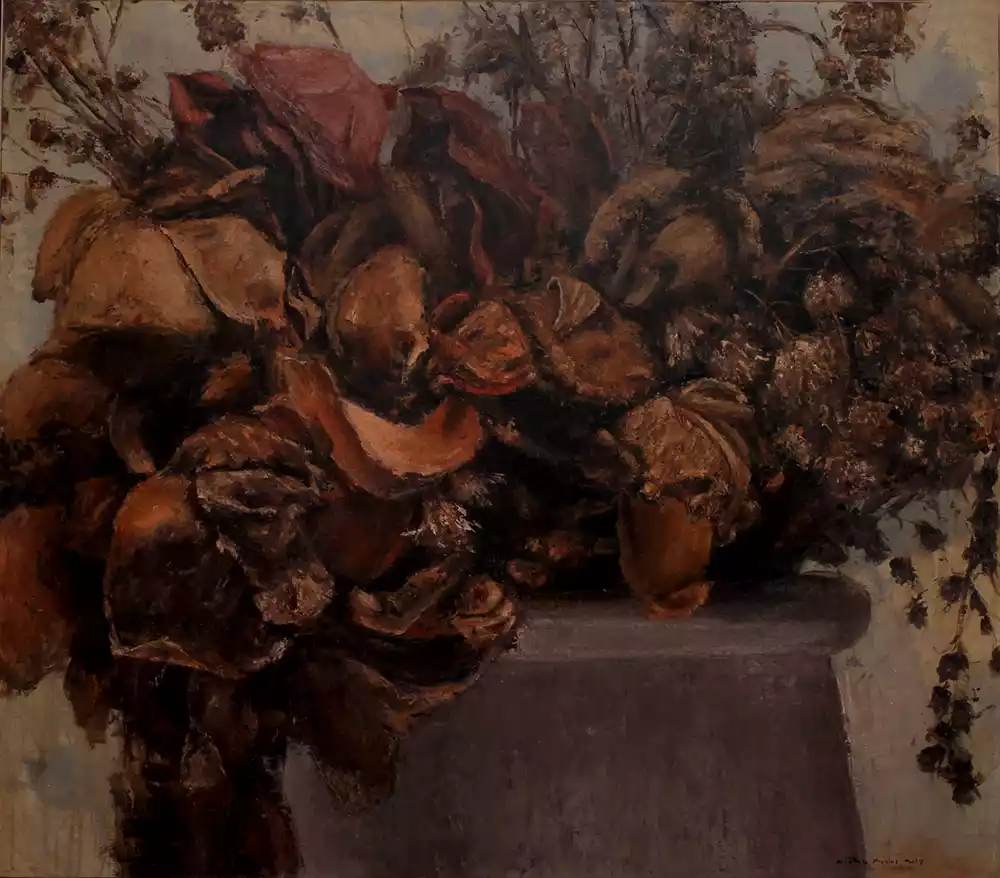
Ridho Rizki
Dry Brown, 2017
Acrylic on canvas
140 x 160 cm
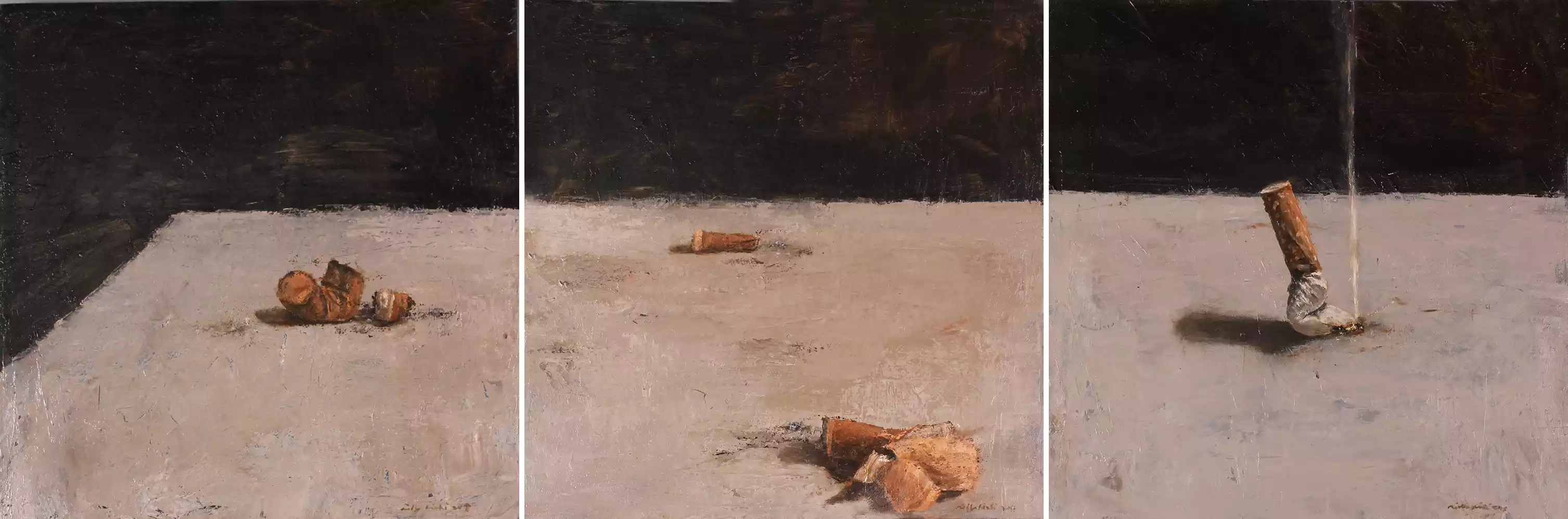
Ridho Rizki
From Beginning, 2017
Acrylic on canvas
60 x 60 cm 3 Panel
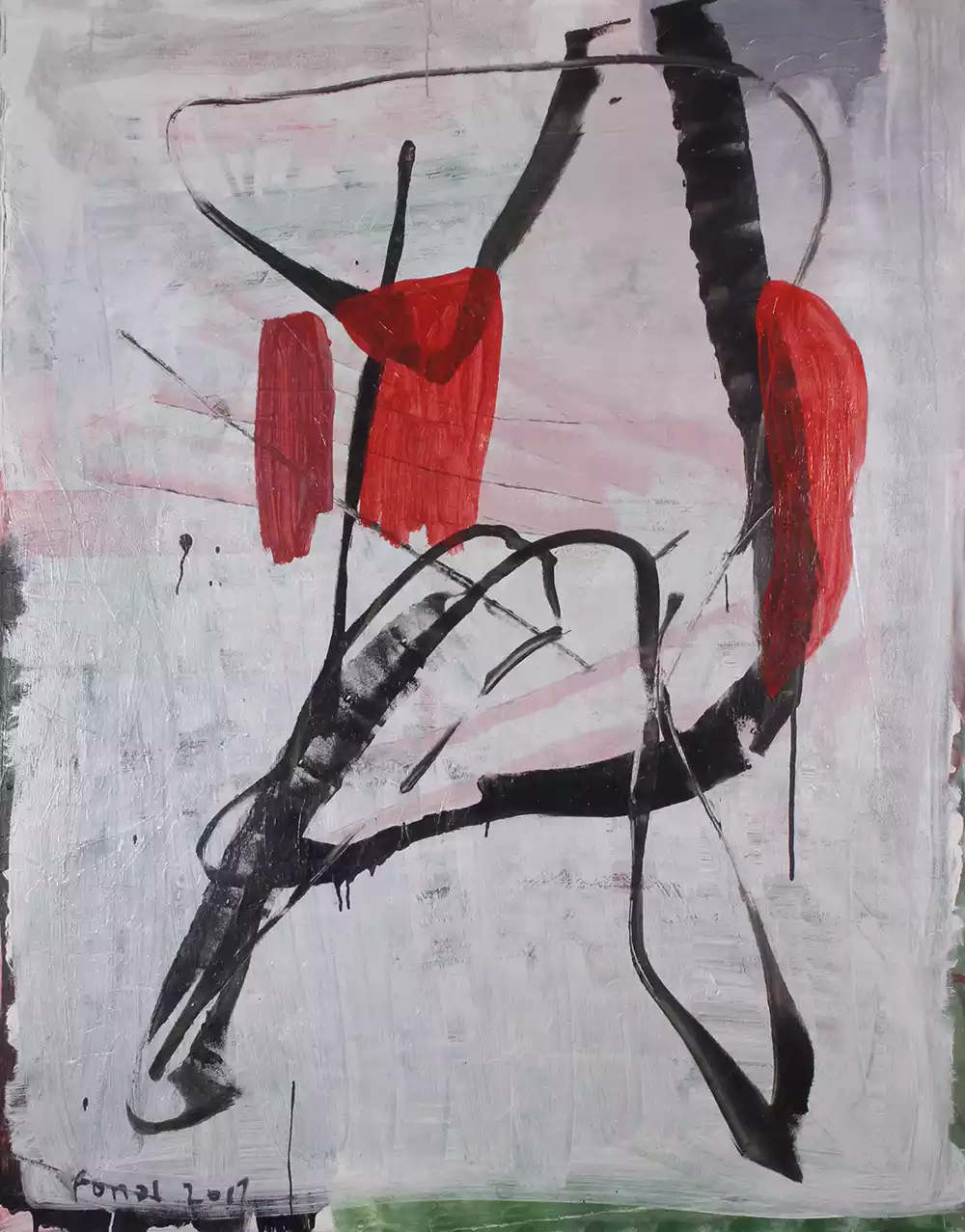
Ronal Efendi
Backwash, 2017
Acrylic on canvas
180 x 140 cm
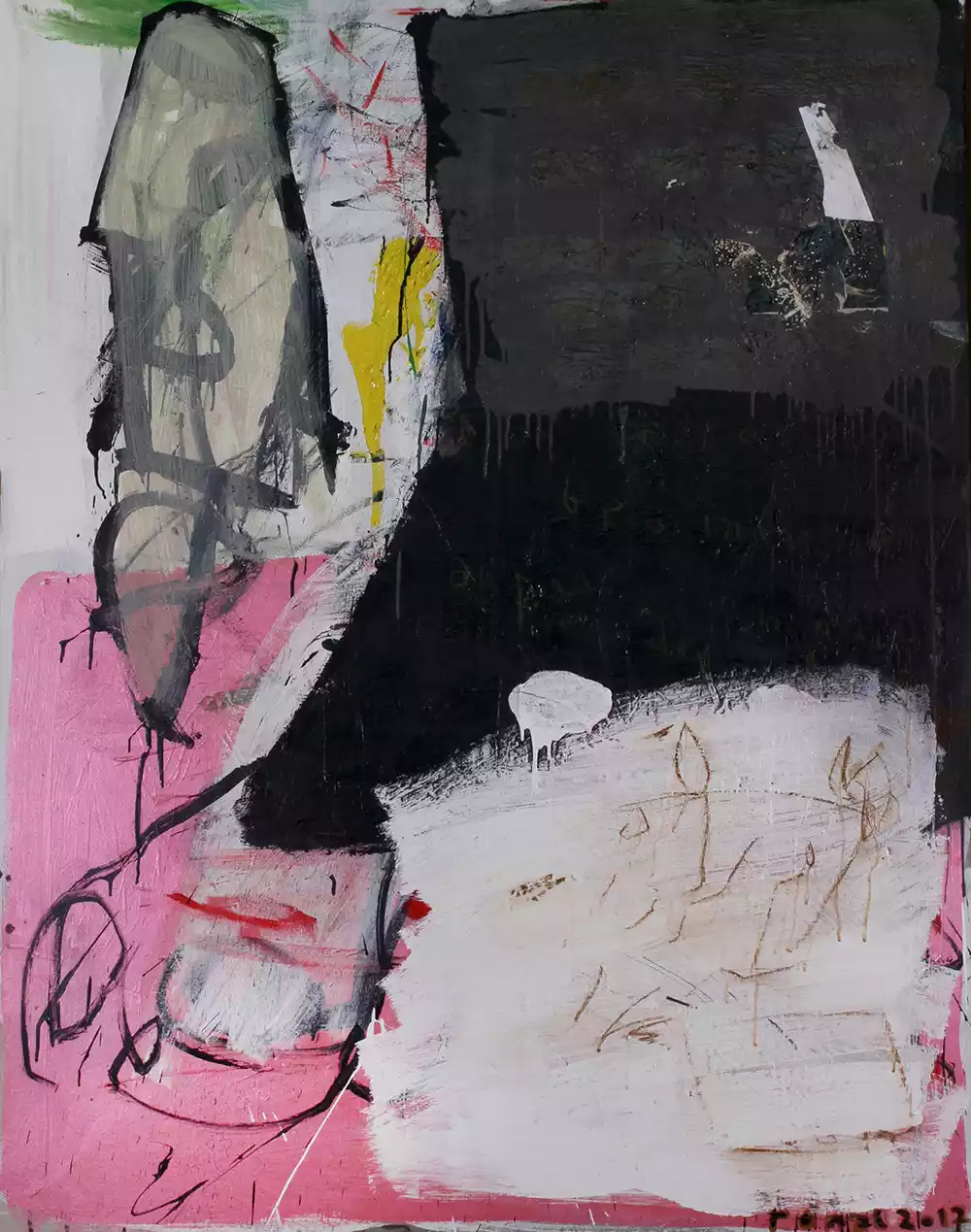
Ronal Efendi
I’m Crossing You in Style, 2017
Acrylic, collage on canvas
180 x 140 cm

Ronal Efendi
Two Drifter, 2017
Acrylic on canvas
180 x 140 cm