
05.07.18 — 22.07.18
NU-Abstract: POLITICAL AESTHETIC
A group exhibition by Dewa Ngakan Made Ardana, Gede Mahendra Yasa, I Putu Bonuz Sudiana, Kemalezedine, Ketut Moniarta
Download E-Catalogue
OUT OF SIGHT, OUT OF MIND
1. Enlightenment and Clarity
Since I studied western art history in college, it is hard for me not to associate the word
“Enlightenment” with the western Renaissance period. Along with the meaning of the period, it pops
in my head a few wild images of human civilization. Those wild images in other words are just a
narrative on adventure along with struggle of human thoughts that would end up on the advancement of
science. In the end, all of it is just our effort to find answers for the most essential question
about us, human: who are we and why are we here. The latter refers to two meanings, which are in
life and in this planet – just like how those astrophysicists kept questioning. The quest for
answers on those questions is what gives humankind’s civilization its face.
The problem does not lie on how far humans have advanced but rather than how humans find ways to
take steps. For someone who received his education in art, essential questions and aforementioned
problems appear in visual forms. Paintings, architectures and other art forms are representation of
the whole human endeavor and effort to find meaning in this world and more importantly how humans
find the meaning of their thoughts. Till this point, at least for me the word “Enlightenment” always
associated with the journey of humans materializing their thoughts. The manifestation of those
thoughts, of course, appears in visual and even in physical forms. From a sketch of a human body, a
painting with the perfect perspective, the Sfumato and Chiariscuro1 techniques, to architectural
work, all of them are form of manifestations.
If we trace even deeper in the historical context, the moment of “Enlightenment” in the “western”
civilization purely comes from when spirituality and intellectuality meets. Then suddenly, in the
tail end of the mid-century the European nations made an important decision. They decided to
disseminate the narrative of science, previously held only by the church, to the public. Some
historians think that due to the holy war, a lot of the science texts from the “eastern world” (in
this case Islam civilization) came in to Europe. Those texts are disseminated through guerilla
underground political movement against the church domination. The birth of Protestant founded by
Martin Luther (later became the origin of the Luther Christian church), the Constantinople divided
into the west and the east, to the dictum “Cogito Ergo Sum” declared by Renée Descartes are chain of
important events in the western civilization, as a result of “Enlightenment.” Our civilization,
especially us living in a 3rd world country are inevitable from western historical narration since
we are already modernized by the west through colonialism.
We have advanced so far, continuing the result of a 500 year old civilization and successfully
constructed new meaning regarding the relationship between the word “Enlightenment” and science –
and even, art. Art plays a very important role in this context because it provides shapes, faces and
appearances to the journey of western thinking that ends up being the formation of human
civilization that we know today. Art is instrumental in the manifestation of grand ideas in science,
mankind, truth and even God. On the other hand, the embodiment of this thought also becomes a reason
for humans to create an image of themselves on the map of civilization. That very reason is what we
all know today as “Creativity,” while the project of creating self-portraits is now called “Art.”
After centuries of human beings creating for the purpose of glorifying their creator, art gives a
way for them to create for the purpose of glorifying their life’s journey. At this level, mankind’s
creation is “Secular” only when they were able to manifest their self-image that is similar with the
image of God.2
History of civilization noted the practice of art is vital in the accounting process of science. In
the hand of western maestros such as Da Vinci, Rembrandt, David, Gericault, Delacroix, among others,
art became an important medium for the discourse in natural science, mathematics and even
humanities. In the renaissance until the romantic period, conversations about humans were the vocal
point of the subject matter in art. This practice was continued until the birth of modern art –
according to art history books – started in the middle of the 19th century. Whether or not we’re
aware, we can find science documentations thru western artworks that are oriented on humans. Further
more, thru art we can read how science interpreted our civilization and existence as human beings.
Overtime there have been various advancements that happened in the world of art (the west,
certainly), eventually we find the practice of art as an ideological culture practices.
Entering the 20th century the intersection of art, in this case modern art with political practices
was unavoidable in Europe. Naturally, political ideology "whatever the ideology is", it maybe became
a new determining factor in art. We then saw how futurism, Russian constructivism to even Bauhaus
incorporating their ideology into their art. No wonder considering the true practice of art is a
manifestation from conversations regarding idealism, right? Thus, it is also normal that art became
a medium for “ideological preaching” by the political axis in Europe at that time. This was
possible, because at the time, popular culture hasn’t been “discovered” by capitalism and even if it
had been discovered, it’s potential as an ideological funnel hadn’t been explored yet. For me the
problem then becomes how these artists that interpret their role as “carriers and conveyers of
value” from the idealist world to the everyday world. This becomes important to observe bearing in
mind art’s major role in the discourse of everyday esthetics (visual). Everyday esthetics? Of course
the ones that referred to by the layman, the ones that practices visually by taking instagram
selfies, the ones that order the latest fashion online and the ones that appreciate electronic media
feed on various medium. Nevertheless, this is the discourse of art applied in the age full of visual
onslaught like today.
2. Popular culture, Ideology and Creation Process
A Case related to enlightenment that interest me is the migration of many local Rock musicians in
recent times. In this case, these musicians are transforming themselves and switch only to the
Islamic culture practice. Not only do they change their appearance, many of them left their previous
profession as a musician and went to pursue a new one that "according to them" does not conflict
with the creed of Islam. Some went on to become businessman, some become scholars, etc. For the
general public or especially for the art community this transformation surely is not a problem
considering the general assumption is that there is not a significant intersection between fine art
and the music industry. On the contrary for me personally, an art school drop out and a quasi music
industry observer, it’s concerning. I did an in-depth review for Rolling Stone Indonesia March 2015
edition, when the publication is covering this migration phenomenon of musicians.3 why? The answer
is simple, apparently rock music is no longer empowering the youth. Rock music in its purest form is
the manifestation of younger generation’s rebellion (especially in the 1960s) towards dominant
narrative of their parent’s generation. It is absurd that younger people that are filled with
turmoil (both in their heart and their thoughts) actually collapsed within the religious version of
a collective repentance, which usually is more “Conservative.”
The consumption of rock music like I stated in the Rolling Stone’s article, unites youth in the 20th
century with a few important ideas like human equality and individual freedom. As an arena for
cultural practice, the subculture of rock music became an arena for young people to manifest those
two aforementioned ideas while simultaneously utilize them as key components in the construction of
their identity. Therefor, subculture practice in the rock music scene became very transformative.
For example, when a teenager is exposed to Metal music and loving it, we can see a transformation in
him or herself becoming a Metalhead in a very short period of time. In addition to idolizing a
certain metal band, he or she will dress ala a Metalhead: long hair, pierced ears and nose, tattoos
on their body, active in the metal subculture (becoming a musician or artist), to wearing their
favorite band T-shit as a fashion statement. But a much deeper transformation is also happening, the
spirit of resistance towards fascism, rejection towards capitalism, ideas on human equality and
individual rights will become a normal subject matter for this individual. What once was a scared
teenager now bravely standing in the middle of a moshpit might be an indication that there’s a
change in the behavior due to the consumption of Metal music. Meaning, not only subculture practice
can change one’s identity and one’s way of thinking, this subculture practice is a cultural
rebellion thru identity. Through it, we see a whole-body ideology practice (Read: it manifested
inside an individual’s whole body).
On certain level, pop culture can make cultural practice becomes more democratic. Pop culture makes
everyone that enjoys it feels like they can actively enter the cultural production arena, then gives
and/or earns concrete benefit from the cultural practice. A teenage Metalhead is inspired to play
music, form a band, write music and become a famous musician. The teenager can fully submerged
within the subculture he prefers and favors. On a cultural level, we can see how pop culture offers
the idea that popularity can be achieve by working on it and it is not just a dream. That was my
experienced in junior high, at least. By experiencing this cultural process, subconsciously, the
creative process of playing music became an arena to practice my ideology about Metal music along
with other ideologies I used as subject matter for my creation of Metal music. In short, on this
level, the process of art becomes an expression of ideology and not just merely an aesthetic
expression. On this level, the aesthetics is the ideology. It can determine a standard of aesthetic
adopted by the artist.
In the case of Metal music subculture, loud noise becomes the standard musically and upheld highly
by its musicians. Visuals of hell, death and evil become the standard visually and grace the covers
of metal band’s albums. Ideology materializes into a very concrete aesthetic homology. In the end
art practices always need an ideology (whatever it maybe), because its ideology that can translate
an artist’s perspective of life into the language of aesthetics, whether it’s the language of sound,
art, word, movement and anything in between, like gasoline-fueling sparks into a fury of fire.
Therefor, it’s a bit absurd for me when musicians that comes from a subculture and suppose to act
very critically towards dominant narratives, instead became enlightened by the very thing they
previously fought. In some cases they turned their back to fight their former subculture. They then
crash the cultural practice against the religion narrative and positioned cultural practice as
something that go against religious values. From this instance we can identifies that there is a
vacant discourse of ideology in the cultural movement inside Indonesia’s subculture of music. It
made sense when a cultural movement lost its soul then a religious discourse will come in and
replace the ideology discourse. Thus, it seems like the cultural movement obtained a new soul.
Benjamin (ibid.) questioned how an artistic aura that meant to be transcendental became hollow due
to the intervention by mechanical/electronic reproduction. Ritualistic production process of an
artwork is replaced by mechanical/electronic mass reproduction so that the creative process can be
repeated over and over just exactly like an industrial manufacture. Likewise the process of
appreciating the artwork can be repeated over and over. According to Benjamin, the interference of
mechanical mass reproduction eliminates the aural dimension of an artwork. Aural dimension is the
result of an artist’s creative process based on ritual and transcendental. Machine interference has
the potential to shift them to other level, namely; politic (Benjamin 1968: 6).4 We can examine that
statement critically, it is very possible that an artist aesthetical decision in the creative
process is no longer a pure an aesthetic one but rather a political one. With this we can all agree
that the level of beauty in an artwork is no longer based on the intrinsic value of the work itself.
Factors outside of the artwork’s beauty play a role in constructing its value. We can also agree
that aesthetical problems are often related to a certain (political) ideology. At the very least is
the ideology of the artist that produced the work.
In this perspective, the work process is converted to also be a political process. We also have to
interpret the artist consideration (that might be) transcendental to also be a political ideology
one. When the creative process is no longer a transcendent experience then question becomes how does
an artwork (that’s mass produced) can give its recipients a contemplative aesthetical experience?
But this is where pop culture is interesting because the missing aura of the artwork can be replaced
with any ideology. Pop culture gathers all art practices and incorporates them into the logic of
mass production (mechanically/electronically) on behalf of the importance of accumulating capital.
So then, performance art and fine art is converted to be merely an entertainment for most people.
That’s why a recipient of pop culture work/product can only enjoy them within the context of
entertainment. One thing we shouldn’t forget is this is an ideological entertainment. Why is that?
Its simple, pop culture’s scope of audience/viewers is far greater than just concert halls and art
galleries.
They also become relevant when organizations with certain interests breach into the world of pop
culture in order to reach the masses. Only so their narrative can be the public narrative,
especially to be de dominant narrative. Just like what happened in the music scene recently, when
some musicians (who are muslems) agreed to stop creating because they were enlightened. That
decision signified their migration from general Islam to the Islam that’s kaffah (more pure).
Although, for them, the decision is a spiritual and a transcendental one, we can look at it
critically as a process of removal of subjects (humans) from art. We can also see that the
aesthetical and/or transcendental experience from art is a threat to spirituality. Art,
contextually, no longer becomes a catharsis for layman people to be able to experience everyday
spiritual journey. When the narrative on art can be dangerous to the soul, it reminds me of the era
of “Orde Baru” (Indonesian government era under Soeharto). Back then the government can decide which
art was “dangerous” and which one wasn’t. At this level, I’m even more confused to what’s political
and what’s not.
On the other hand, I will never forget my aesthetical experience of admiring a poster of Jimmy Page,
the guitarist of Led Zeppelin, in action on my cousin’s bedroom wall one weekend in the 1970s. That
moment led me to enthusiastically studied a small portion of human civilization that’s very
important in my life, which is Rock music.
3. The Disappearance of Mankind in Artwork.
The consumption of popular culture is an ideological consumption. A piece or product of popular
culture that we enjoy under the language of ideology that we understand. When there is people still
amaze by why in Solo, Mid Java, Black Metal Music is popular and it even produced a new specific
subculture (like Javanese Black Metal), the ideology of popular culture itself that can answer this
question. It starts with the question on how a sub-genre of that particular metal music is popular
in solo, to the astonishment of that individual in itself is also a ideological construction from
the discourse of music in which one is popular and which one isn’t (in the perspective of political
media economy). If pop culture and its infrastructure have to be viewed as ideological, then it’s no
wonder when the migration phenomenon of Indonesia’s rock music musicians also involve the role of a
certain fighting ideology. Going back to the argument of that phenomenon, the migration of these
musicians can be critically viewed as a moment of de politicization of a certain sub culture (pop
culture). However, it is necessary to remember that the de politicization of any cauldron of
culture, in truth is just a political action. A counter response to fight the dominant narrative in
the battlefield of cultural discourse where the cauldron/scene exists.
The migration of these musicians, followed by them pulling themselves out from the very scene they
were active in (with reasons that music is forbidden) by itself will weaken the position of that
scene in the cauldron of culture. What’s the impact? Their critical voices weaken and they do it
because their fans are consuming their work/product ideologically. A punk head or a metal head is
consuming their punk music or metal music along with its appearance ideologically and also because
they agree with its ideology (with a consideration that a small percent of the population are just
posers). Here is where the missing artistic aura can be found again. The political process
considered by Benjamin to have shifted working transcendentally (aura), in the context of popular
culture, it actually re introduce the presence of aura in the form of clandestine ideology.
Speaking of which, it reminded me of a conversation I had with a few of my artist friends regarding
ideology in creating. First with Riza Arshad, may he rest in peace, a senior progressive Jazz
musician who also studied fine arts, about ideology label on a piece of work. All his life, Ija (his
nickname) was known as a jazz musician that militantly always keeps working. On the other had, he
was also very religious (Islam). Ija is one of the musicians that thinks of playing music is a form
of worship to God. “I will always play music because I am grateful that Allah has given me the gift
of talent to play music,” that’s him talking in the middle of his busy schedule while planning the
launch of the album “Demi Masa” (2009)5 with his band SimakDialog.6 Demi masa album was a spiritual
album for Ija. With the Quran inspired title and songs as if they were illustrating a spiritual
journey, that album felt like it deserved to be labeled as an “Islamic Album.” But Ija actually
denied it. The problem of aura (Islamic) for him is an individual spiritual album. His position as a
songwriter for SimakDialog made the album as if it recorded a spiritual journey of the band and as
if the “Islamic Music” narrative just sort of attached to it.
The second conversation was with Kemalezedine Zubir and Ketut Moniarta, artists from Bali, about
abstracts painting and the disappearance of figures in art. Figure of living things (especially
humans) in the history of western art becomes important because humans is the central point of the
conversation in the western culture since the Renaissance period, because humans is the subject and
object of those conversations. Naturally it’s a bit hard to imagine art from the period with out a
human figure in it. When the discourse of mechanical reproduction appeared in civilization, human
responded by putting forward ideas of originality and authenticity of the work. Even though on
certain level the idea of originality and authenticity opens up new problem and discourse in the
cultural practice, however, we have to admit that those answers was an effort to keep humans
subjectively and objectively in the center of culture.
Within the treasure of western art, big names like Wassily Kandinsky, Paul Klee, Piet Mondriaan,
Williem de Kooning, Mark Rothko, Jackson Pollock, to Ken Noland (among others) are painters that
visualized abstraction. Even though they eliminate figures form their work, for me personal, their
painting still talks about humans in a more contemplative way. Here’s an analogy of it, Imagine a
movie about an individual’s spiritual journey, instead of using a third person view the camera is
actually inside the individual’s body and visualizing it form the inside of the individual’s body.
What people would see of course are non-figurative objects, such as organs, hormones or neuron
networks. Essentially, abstract paintings without a figure that’s known in the history of western
art and influenced a lot of Indonesian artists are still a result of conversation about humans. As
with artworks in itself truthfully is a result of conscious reflection on humans and humanity.
Meaning, the lost of figures are the result of inner subjective dialog between artists and their
world which was intermediated by socialism, liberalism or whatever ideology it may be. Piet
Mondriaan and De Stijl artworks are ideas of humanism that was contextual in its time.
Indonesia is a different story. The emergence of the disappearance of figures phenomenon in
paintings by many painters recently, raises many questions that needs to be discussed. This isn’t
something new in Indonesia’s art world. The impression of this phenomenon is just a problem of
painting practice that’s implicated in the matter of subject matter, sect of art, visualization
style, to technique. As if it’s always an aesthetical problem that does not have an ideological
correlation. As if any figure or other shape that resembles a living thing is replaced by other
visuals, under the assumption that it does not represent anything other than a composition of art
elements. Realized or not, this action tends to surrender the aesthetical problem to the intrinsic
value of the art and as if it liberating art from the process of interpretation of the viewers.
Thus; as though there are no more discourse about human (living thing) in the artwork. When humans,
as source for many subject matter in art, are to be eliminated, I feel it becomes very important to
check on which ideology that put out these ideas. Whatever one it is, surely that ideology meant to
eliminate the subject of humans from its discourse. Or at least, reducing humans into the narrative
it’s constructing. I failed to understand why humans must be eliminated from subject matter. Why
does it have to be like that?
As a fan of these paltry products of pop cultures, I believe that the practice of art serves a
function as a memento from life. A fragment of life in a certain context and in a certain time frame
that’s called a civilization that needs to be noted, recorded and documented properly thru the
practice of art. Thru this process of art, the science products and humanitarian values became
reachable to the layman and thru this activity mankind can reflect on their triumphs and failures,
just so civilization can be better for the future. For that reason, art must and should talks about
human as its main subject as well as a conversational object. Art must be able to empower mankind
connoisseur or not, spiritually and/or intellectually.
4. Transitional Art on A Global Level
One interesting thing the era of globalization is the accelerating dissemination of ideas,
information, knowledge and ideology. In “Modernity at Large”(1995),7 Arjun Appadurai stated that
globalization made power to be spread out into new points. At least the center of where power is
located will be a little threatened due to the emergence of rival powers. For those who grew up in
the 80s surely remember the news about the never ending protest in South Korea was always reported
on TVRI (Indonesia’s national TV). At the time, who would’ve dared to predict that South Korea would
become a serious threat to Hollywood, it has ben the dominant force of culture in the U.S.A and has
been for a long time. Now it is common when a teenage girl dressed in moslem clothing and goes to a
moslem school in the east of Java idolizes South Korean artists. A lot of them know the words to
their song by heart, some of them study Korean because they watch a lot of K-drama, and many even
know the various types of Korean food. There are many more absurdities out there just like it.
From Arjun perspective, the effect of globalizations not only makes the flow of goods and services
globally, it also affect the flow of capital, technology media, ethnicity and ideology.8 Perhaps we
naively think that this phenomenon only happens when we Jakarta.9 We often interpret globalization
as a process of economic transaction on a global level. What we keep forgetting is globalization is
also offering various new identities that we can refer to. This new identity is more than just the
Moslem girl who is now fluent in Korean and wearing Korean fashion underneath her Moslem clothes.
This new identity is more than just muslim girls from Garut forming a heavy metal band and now has
the spotlight of the world like what happened to the band Voice of Baceprot.10 One main thing that
keeps getting forgotten is that globalization also makes ideology travels from places (cities,
countries) very rapidly.
Furthermore, globalization also makes a certain political ideology, that previously no root, to
exist in certain community organization. In the modern era, far from the era of globalization, we
can found cases in on the movement of grand ideas about human. Starting from capitalism, the Zending
missionary movement, Marxism and socialism to the Islamism movement (Islam as a political ideology).
The history of Indonesia politics, since the rise of nationalism period to now, is filled with
competitions among the global political ideas. But the thing is, back in the earlier period, the
speed in which these ideologies were spread is much slower and it did not involve the popular media
(as part of the pop culture), it also did not have the lure of global economical investment, In
contrast to the penetration of transnational Islamic movement into the wealth of social-culture and
social-politic in Indonesia at the present time.11 The transnational Islamic movement offers Islamic
interpretations, as a political framework, in offering the ideas of “Islamic world” that can be
shape into the implementations of Islamic caliphate concept in Indonesia. The first step is to build
a version of Indonesia that’s based on sharia.
So what’s the correlation with art? At this point, I haven’t found a strong correlation between the
two. Is the penetration of transnational Islam will threatened the practice of art? I don’t think
so. A logical consequence that we need to pay attention to is when a lot of Indonesian artists are
starting to embrace that ideology. On one side it is very possible we are starting to see the
emergence of new styles of Islamic art. It starts making sense that the suggestion to not draw
living things or to eliminate humans from painting emerges as a trend in art for the future. This
issue of course is in accordance to the ban of drawing humans and animals in the realm of Islamic
art. But if we associate this debate with a lengthy argumentation that I mentioned before, we also
need to critically look at this phenomenon. Starting with the question of whether of not we need to
build a new narrative for Islamic art.
In developing the identity on Islamic art, actually, Indonesia already has A.D. Pirous, Ahmad Sadali
and many other painters that use Islam as the source of their work. Pirous uses Quran calligraphy as
a source as well as a strategy for his work. In Pirous’s work, the verses of Quran were
“transformed” into beautiful paintings. But, of course in order to be able to accomplish it, one
must have a qualified reading and writing skills and also be able to expertly interpret the Quran.
The working spirit as was said by the late Riza Arshad, must be an expression of gratitude to God
for the gift of talent that God has given. By this modus, I truly think that it is not an issue
whether or not “Islamic art” needs to be put forward as a construction of a new art identity.
If the only problem is the need to eliminate living things from paintings, I feel we already been
given an extraordinary example by our ancestors through batik. Why don’t we just starts from there.
Conceptually the practice of art though symbols in batik has fulfilled the rules of Islamic art. Not
one symbolic practice in batik contradicts Islam. We can explore visuals in that area, even though
there is many artists from many different disciplines are doing it. For me, there is no problem.
Unless we really want fresh or innovative visuals that don’t have any correlation with local
tradition or “legacy of our ancestors.” Referring to my previous argumentation regarding western
civilization through art in this case, art of painting. In truth, our ancestors were doing something
similar in the process of making batik.
On the other hand, if every painter left the practice of painting they normally do and eliminate
living things from their canvas on religious reason, then we have serious problem. Far more serious
than when the face of art looks homogeneous with the same style, same school and the same method.
How serious is this? Firstly, we indirectly agree that art no longer plays a role in the discourse
of humanity; thereby we lost the mirror to do a critical reflection on our accomplishments as a
civilization. We will not be able to perceive the journey of humanity as a fluid and as flexible as
before. Secondly, we subconsciously agree that the presence of human is merely an object of the
dominant narrative power, not as an addition of color for a better world but simply because we have
a responsibility towards our future generation. Either way, this civilization must continue to
progress and new humans will be born.
In the end we need to do a critical reading towards “political agenda” of artists. However they
work, whatever their ideology, in my perspective it still has to refer to the spirit of influencing
the world as beautiful as possible. It is not a problem to inject subject matters that contains
various political ideologies of the artists, as long as the purpose is to build the human narrative.
In this post-modern era, art is basically already present as a humanitarian project, we already
inherited the way we do art through history like today: through colonialism and imperialism; through
western rationalism; through the relationship between first and third world countries; through the
competitions of global and local values; and not to forget, the relationship between the
traditionalism of our ancestor’s inheritance and the modernization of inheritance from the founder
of this nation. We already are in the fragment of this kind of history. It feels impossible to do a
major restart like how Pol Pot enacted “year zero” in Cambodia in 1975. Therefor; the most important
political agenda of this artists is to build the human narrative in the new era. It is about time to
once again value the jargon l’art pour l’art as l’art pour l’homme (art for humanity). What is the
meaning of beauty and what is the use of art if both not made for (purposely) to humanize humans?
Bintaro, early Syawal 1439H
Yuka Dian Narendra Mangoenkoesoema.
Notes:
1 Sfumato is a painting technique that blurs outline and shadows by creating soft shadows to produce
a gentle transition between colors and tones. By rendering or creating a soft gradation it gives the
impression of the disappearance of lines or borders, so then the bright and dark area on a painting
is more visible, Chiaroscuro or “Bright and Dark” comes from an Italian word with the same meaning.
Technically, chiaroscuro sharpened the contrast between light and dark on a painting. This principle
is derived from the notion of the solidity of an object can only be seen when light hits it.
Leonardo Da Vinci is a European painter during the renaissance period that utilized both of these
techniques (writer)
2 As was told in the book of genesis in the bible (writer)
3 See Mangoenkoesoemo, Yuka D.N., “I Will Choose Freewill: Musik Rock dan Pertobatan Massal,”
Rolling Stone Indonesia 119 edition, March 2015, Pg 46-51
4 Walter Benjamin (1968). Hannah Arendt, ed. “The Work of Art in the age of Mechanical
Reproduciton”, in “Illuminations.” New York: Schocken Books, Pg 6.
5 Personally, Ija mentioned to me the tittle “Demi Masa” was taken from surah “Al Ashr,” the 103rd
surah in the Quran. Al-Ashr means “Demi Masa” (writer)
6 SimakDialog “Demi Masa” (2009) Like Earth/Moon June Records production. Also see Sakrie, Danny
(2015), “100 Tahun Musik Indonesia.” Jakarta: Gagas Media, Pg 150-112
7 Appadurai, Arjun (1995). “Modernity at Large:Cultural Dimensions of Globalization.” Minneapolis:
University of Minnesota Press
8 Ibid
9 Little Tokyo refers to an area where many of Japanese bars and restaurants are located inside the
Blok M market in south Jakarta. The naming of Little Tokyo was informally known since this area was
the site where the Enichisai, the Japanese culture festival, was held. It was thrown by Japan
Foundation in Jakarta (Writer)
10 Regarding Voice of Bacepot, please refer to my article in Jurnal Ruang by clicking this link:
https://jurnalruang.com/read/1514956883-voice-of-baceprot-perempuan-metal-hijab. International
source regarding Voice of Bacepot please click on this link:
https://www.theguardian.com/global-development/2017/jun/09/the-schoolgirl-
thrash-metal-band-smashing- stereotypes-java-indonesia-voice-baceprot.
11 According to J.R. Bowen the transnational Islamic movement is nomenclature that covers three
aspects: demographic movements, the transnational religious institution and the shift of ideas
(Hilmy 2011 : 2 through Aksa 2017, in “Gerakan Islam Transnasional: Sebuah Nomenklatur, Sejarah dan
Pengaruhnya di Indonesia,” Yupa: Historical Studies Journal, 1 (1), 2017: 1-14 ISSN: 2541-6960- 1).
About The Writer
Born in Jakarta, 15th of September 1972. Graduated from the Pelita Harapan University, Tangerang,
Banten as a Visual Communication Design major in 2000. This huge fan of Rush and Slayer dove right
back into teaching and became a professor in his alma mater. He once had a career as a contemporary
artist by pursuing sound art and held exhibition at Cemara Jakarta gallery (2004) and CP biennale
(2005). Now, even no longer an artist, Yuka is often invited to write curatorial introductory and
also a speaker in various contemporary art exhibition in Jakarta.
His love of rock music establishes a major interest to study popular culture within him. This led to
him read a lot of books on cultural studies in the faculty of humanities at the University of
Indonesia in 2004, where he graduated top of this class.
After getting his master’s degree, Yuka went back to teach at his Alma Mater, the University of
Pelita Harapan, and a few other private universities. He also started to dwell in the world of
writing about pop culture and other light subjects. Some researches, articles, and an anthology book
have been produced since 2006. As a professor, he’s also active in presenting his researches at
science forums both nationally and internationally.
In his spare time, Yuka continues his interest in fiddling with sound and sound equipment. Little by
little he build a small recording studio at his house. He went on to produce dozens of albums for
countless musician and independent music groups since 2000. Started with Bonita, Anda Perdana,
Gribs, and other independent musicians. Since it is hard to walk away from playing music, that’s
what made him to always be available to get involve in the music recording process. Not only that,
he often became a co-curator for art exhibition curated by his beloved wife Evelyn Huang. At this
present time, this father of one is the secretary of program in Visual Communication Design study at
the Matana University in Gading Serpong, Tangerang, Banten.
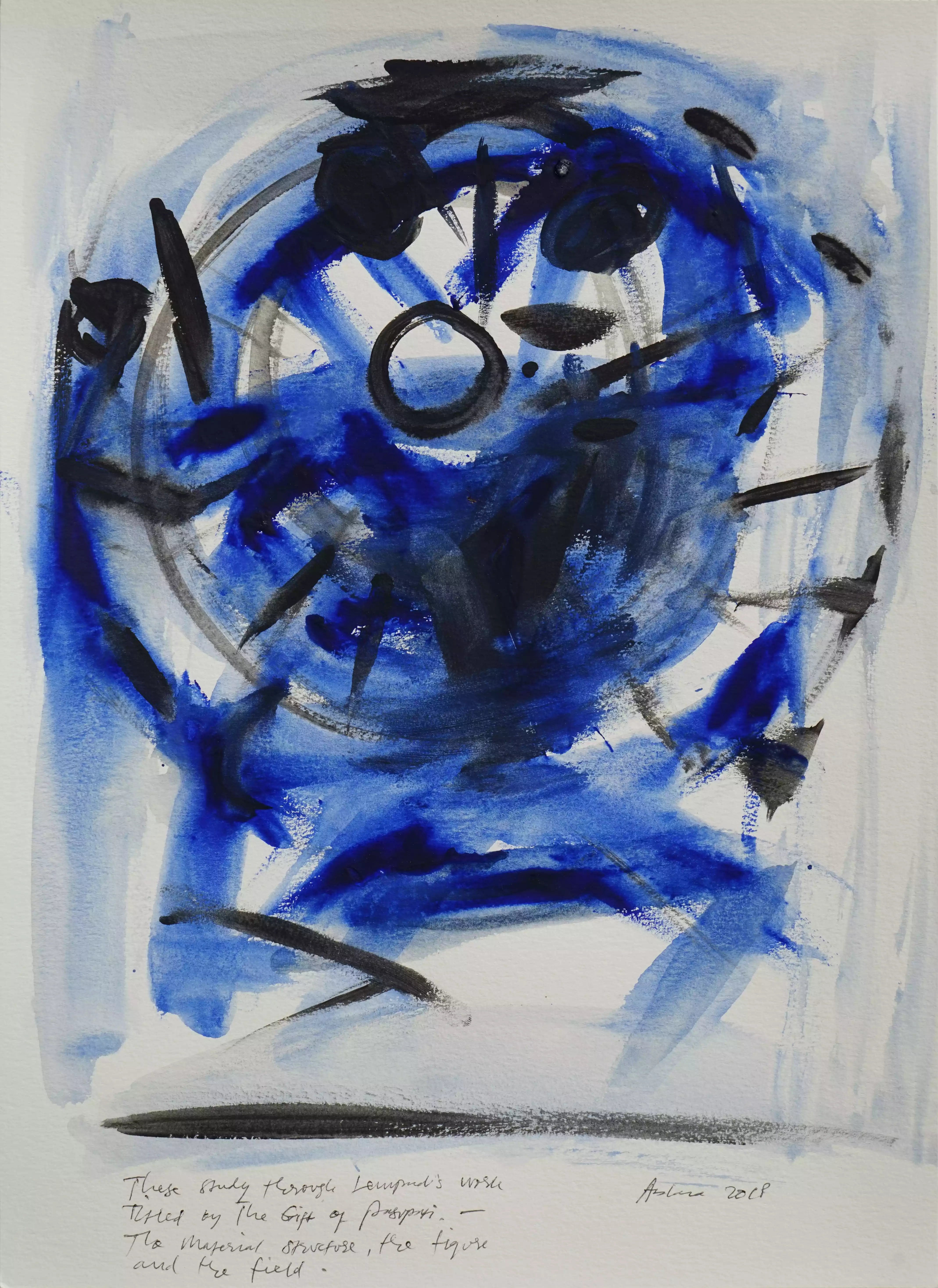
Dewa Ngakan Made Ardana
Mata Mendengar #1, 2018
Acrylic and gouache on paper
40.8 x 29.7 cm / 29.7 x 40.8 cm
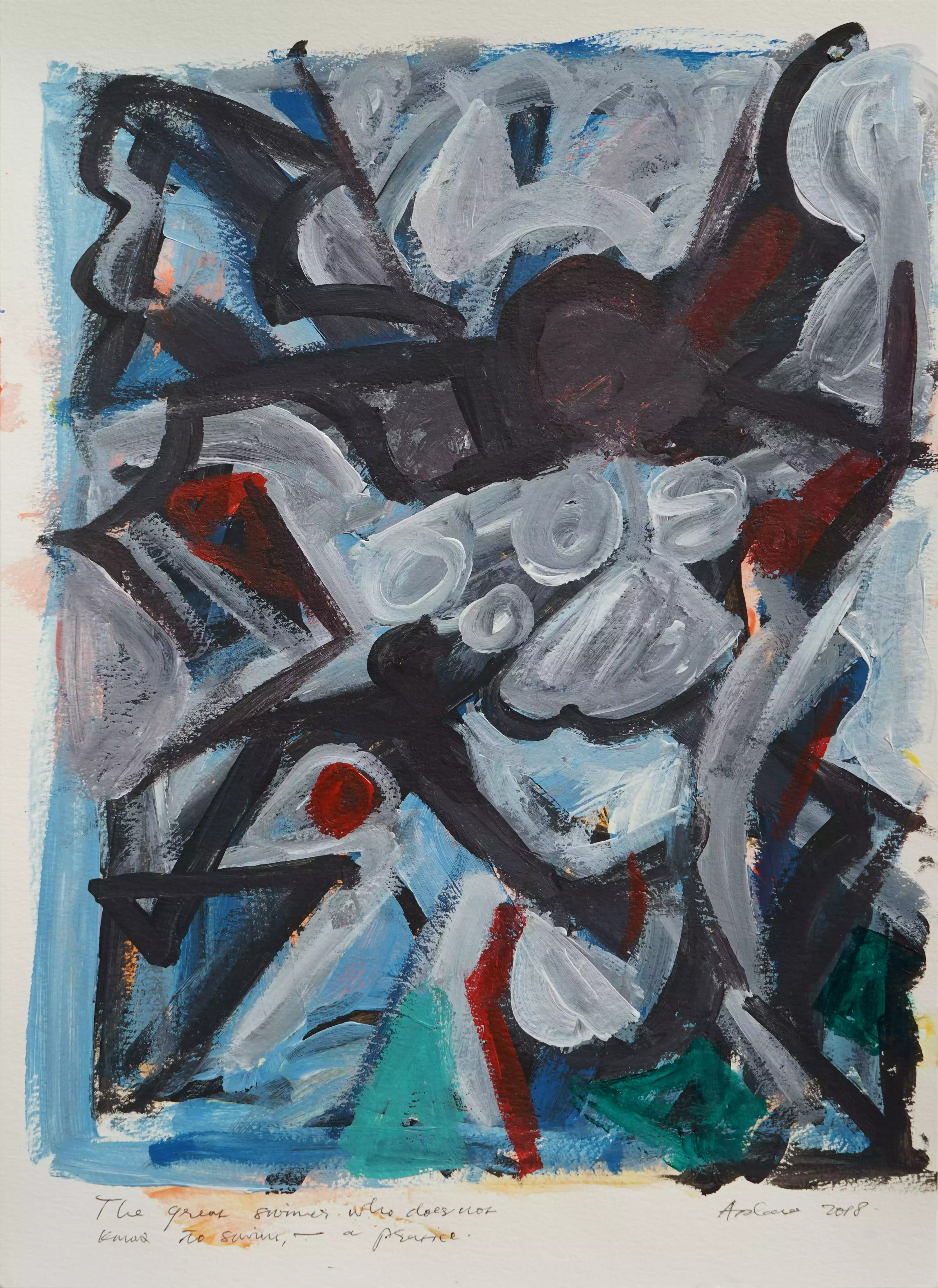
Dewa Ngakan Made Ardana
Mata Mendengar #2, 2018
Acrylic and gouache on paper
40.8 x 29.7 cm / 29.7 x 40.8 cm
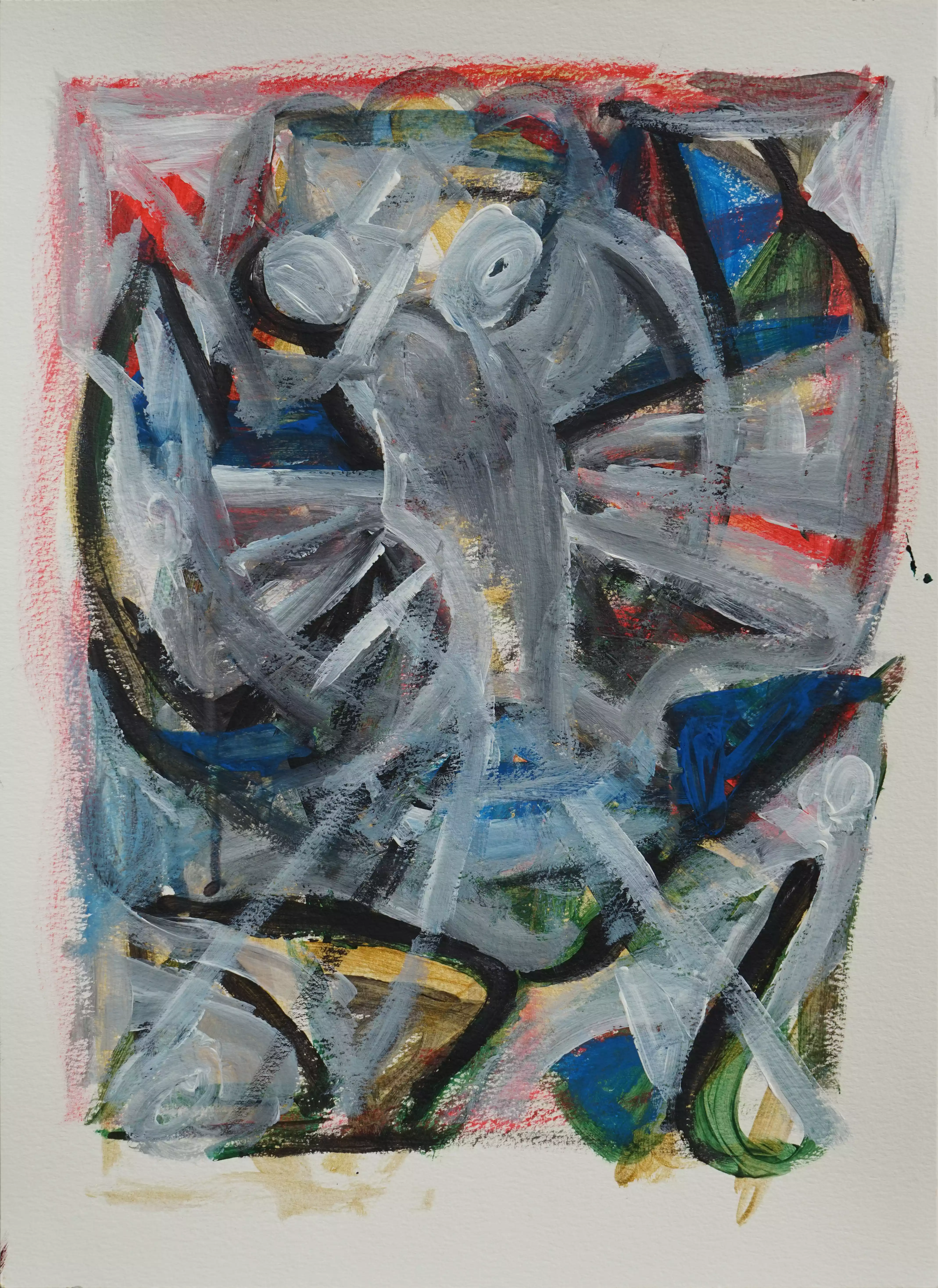
Dewa Ngakan Made Ardana
Mata Mendengar #3, 2018
Acrylic and gouache on paper
40.8 x 29.7 cm / 29.7 x 40.8 cm
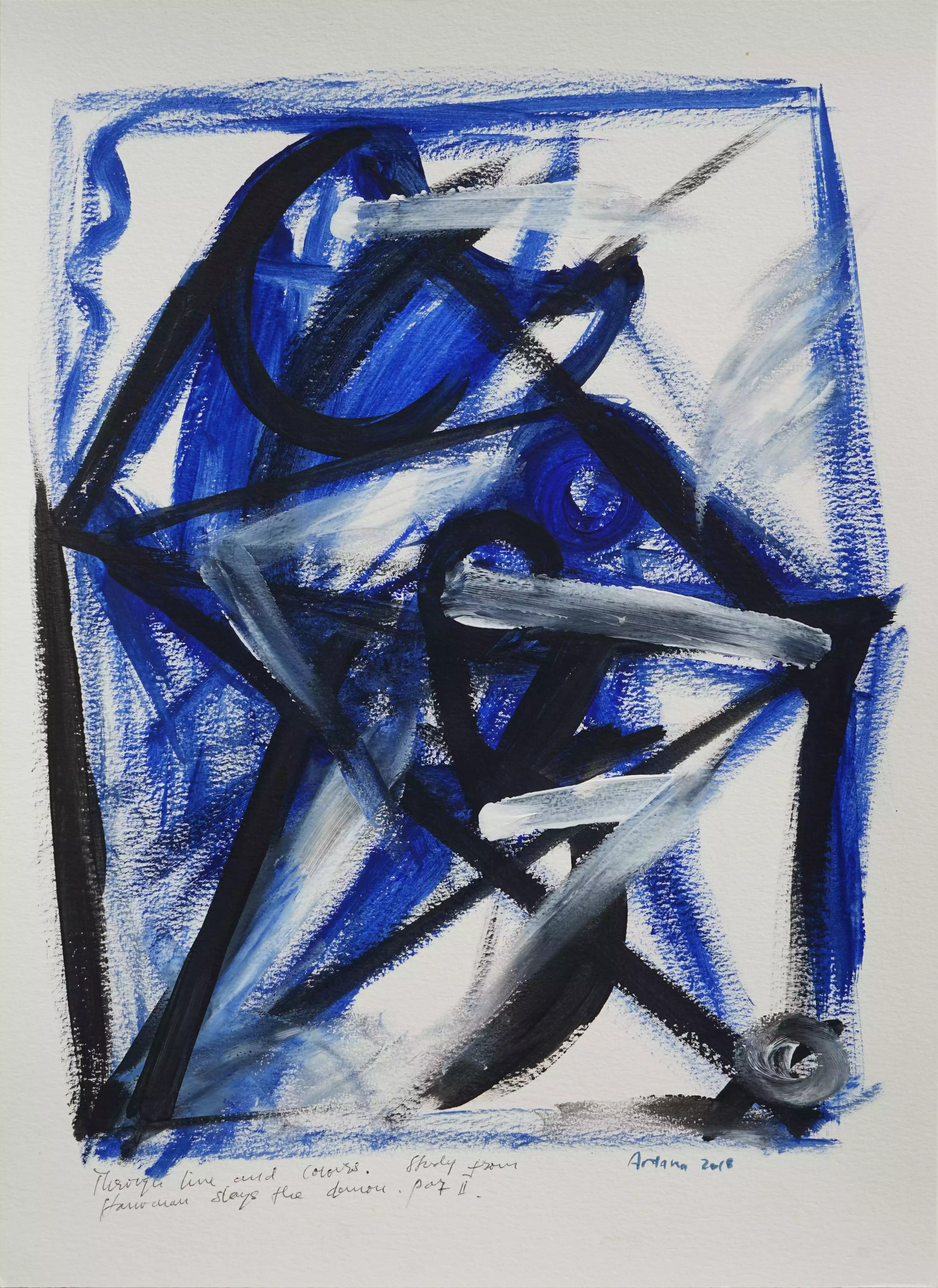
Dewa Ngakan Made Ardana
Mata Mendengar #4, 2018
Acrylic and gouache on paper
40.8 x 29.7 cm / 29.7 x 40.8 cm
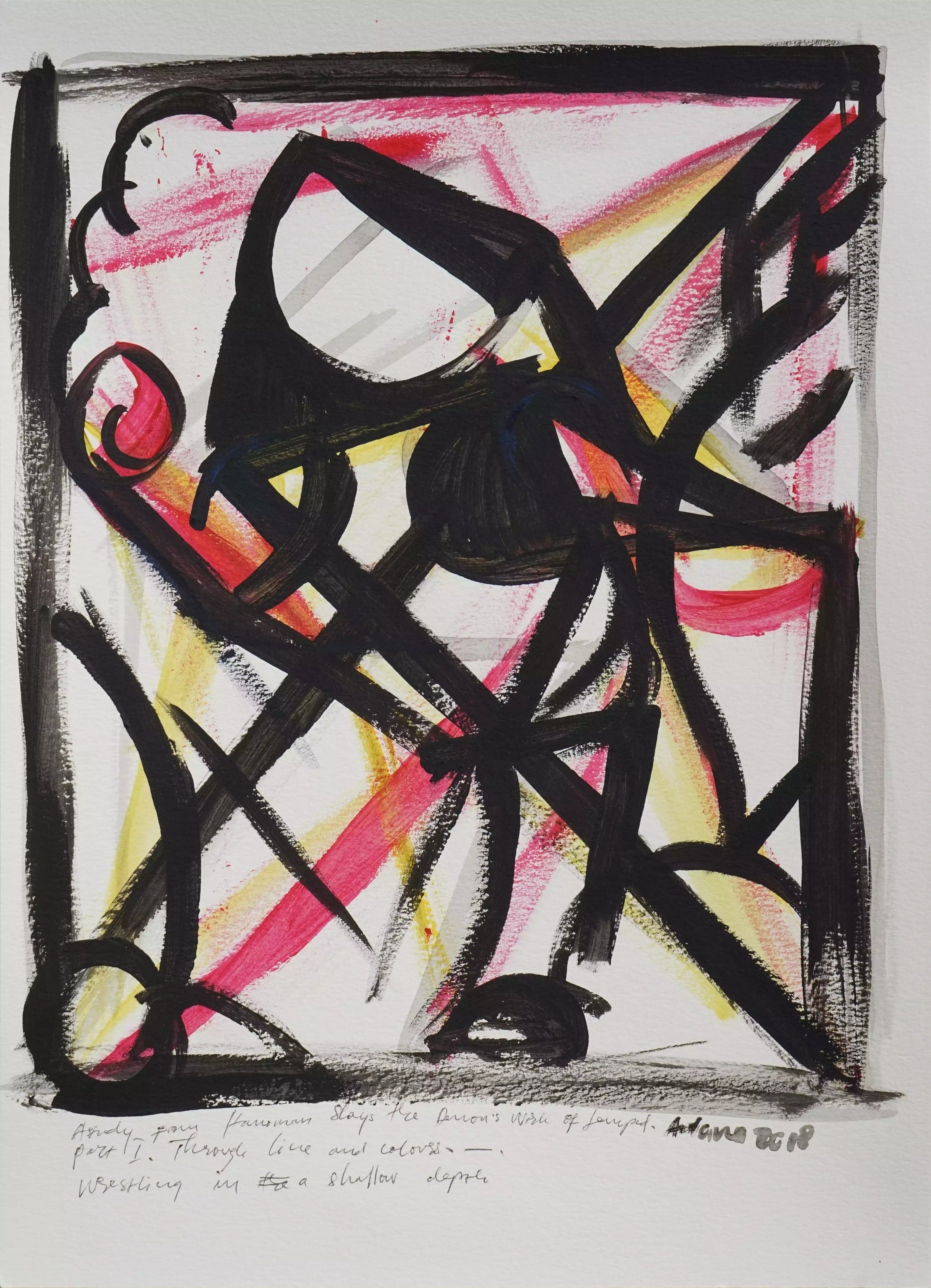
Dewa Ngakan Made Ardana
Mata Mendengar #5, 2018
Acrylic and gouache on paper
40.8 x 29.7 cm / 29.7 x 40.8 cm

Dewa Ngakan Made Ardana
Mata Mendengar #6, 2018
Acrylic and gouache on paper
40.8 x 29.7 cm / 29.7 x 40.8 cm
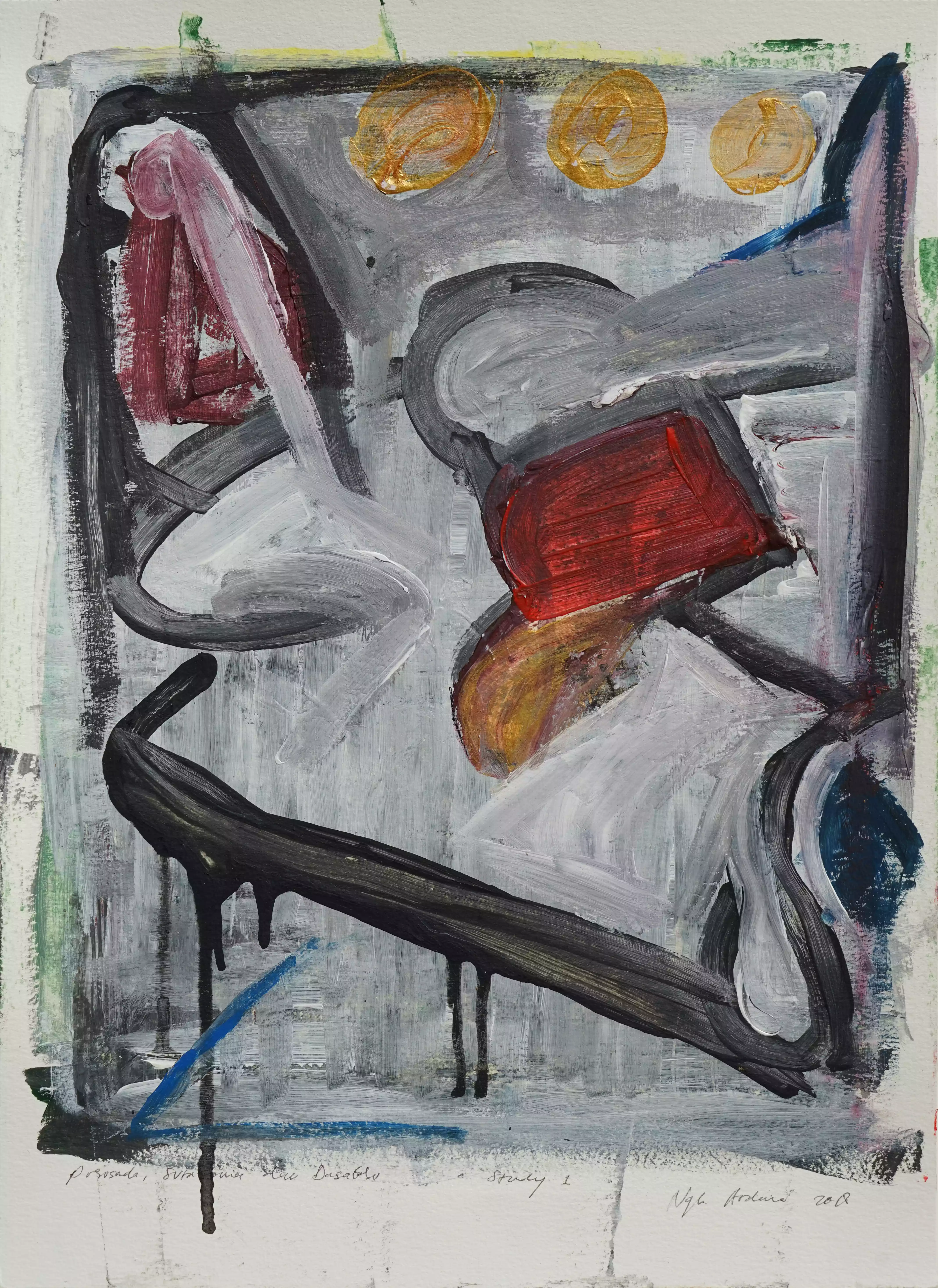
Dewa Ngakan Made Ardana
Mata Mendengar #7, 2018
Acrylic and gouache on paper
40.8 x 29.7 cm / 29.7 x 40.8 cm

Dewa Ngakan Made Ardana
Mata Mendengar #8, 2018
Acrylic and gouache on paper
40.8 x 29.7 cm / 29.7 x 40.8 cm
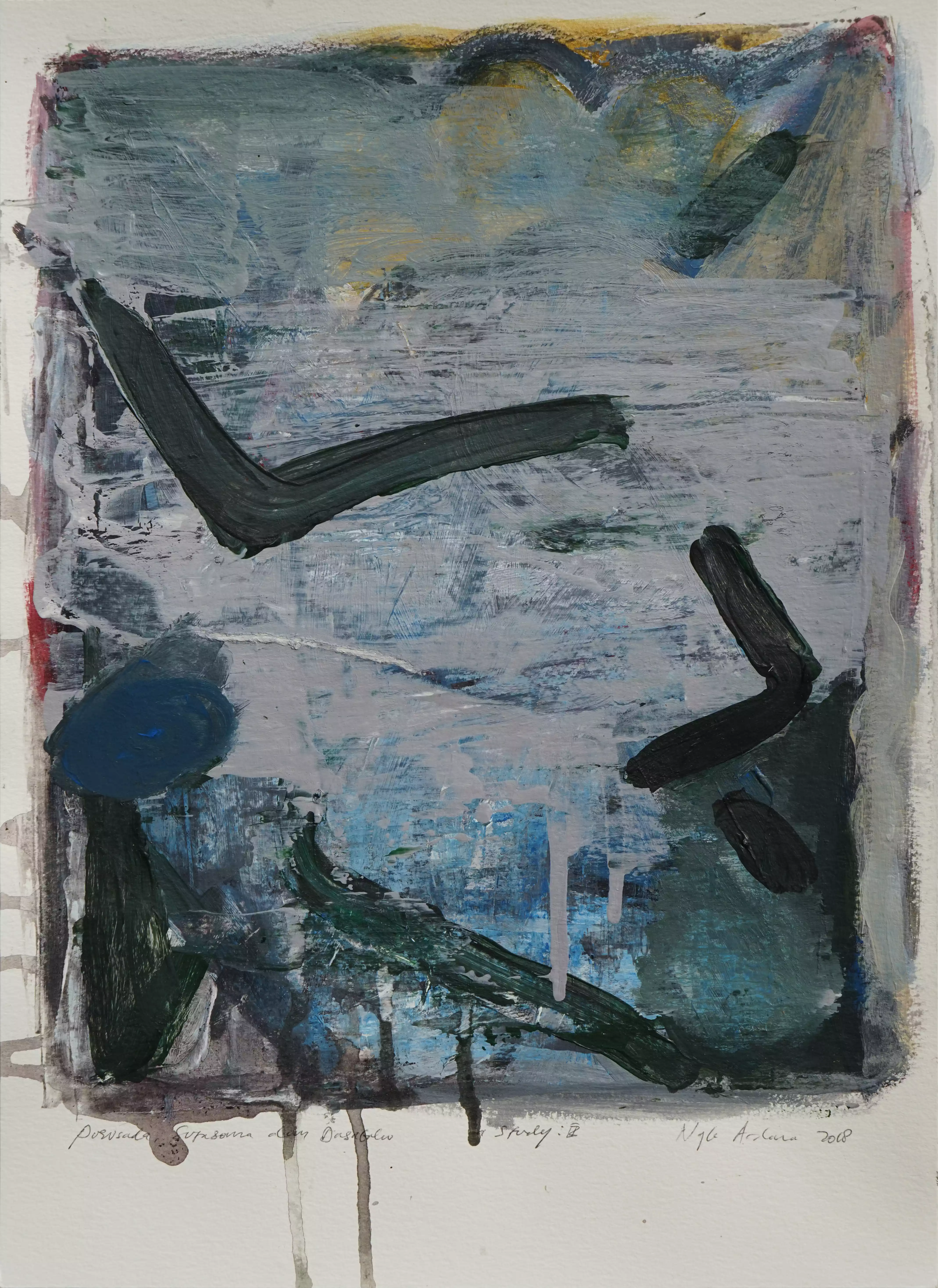
Dewa Ngakan Made Ardana
Mata Mendengar #9, 2018
Acrylic and gouache on paper
40.8 x 29.7 cm / 29.7 x 40.8 cm
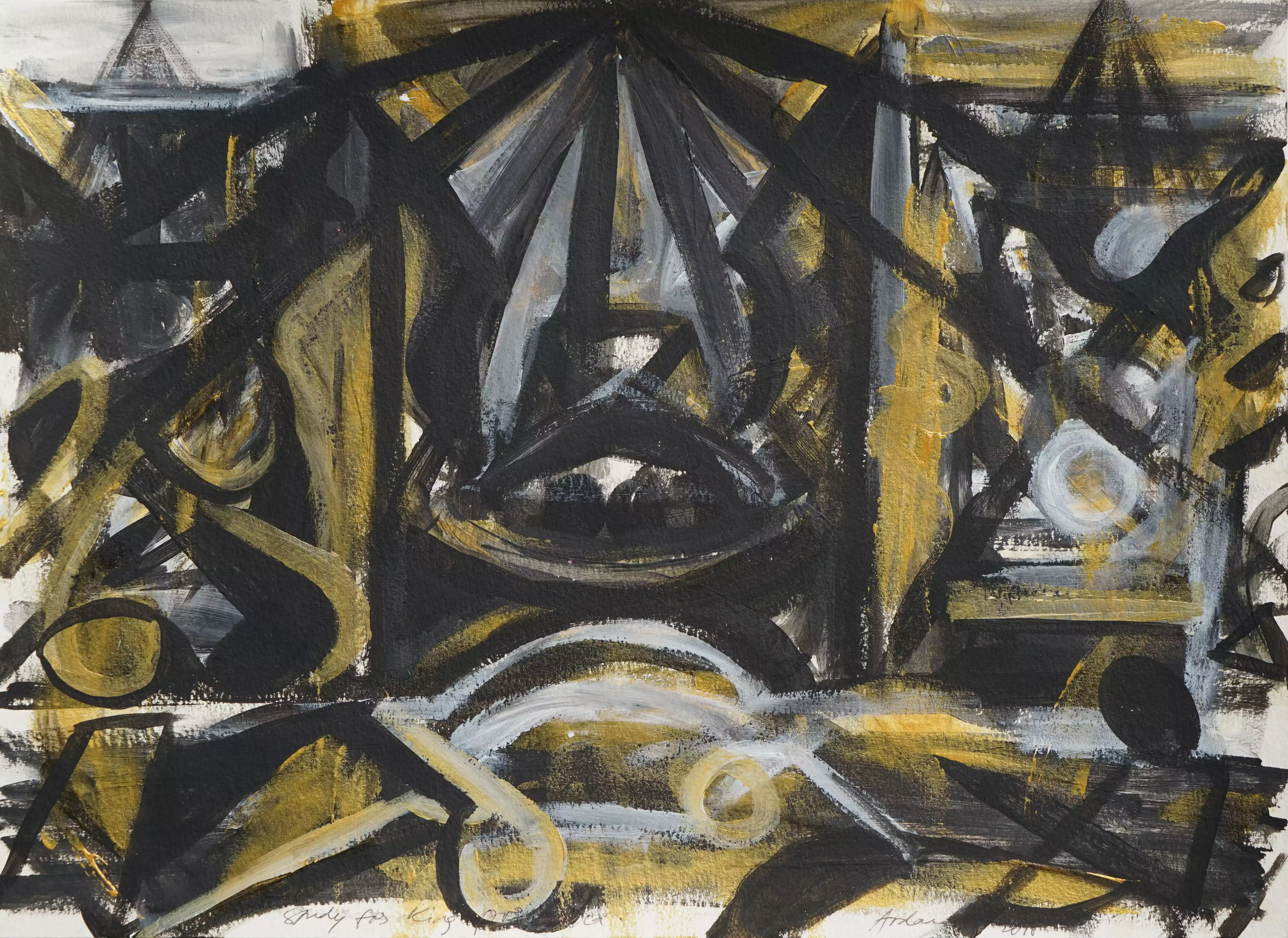
Dewa Ngakan Made Ardana
Mata Mendengar #10, 2018
Acrylic and gouache on paper
40.8 x 29.7 cm / 29.7 x 40.8 cm
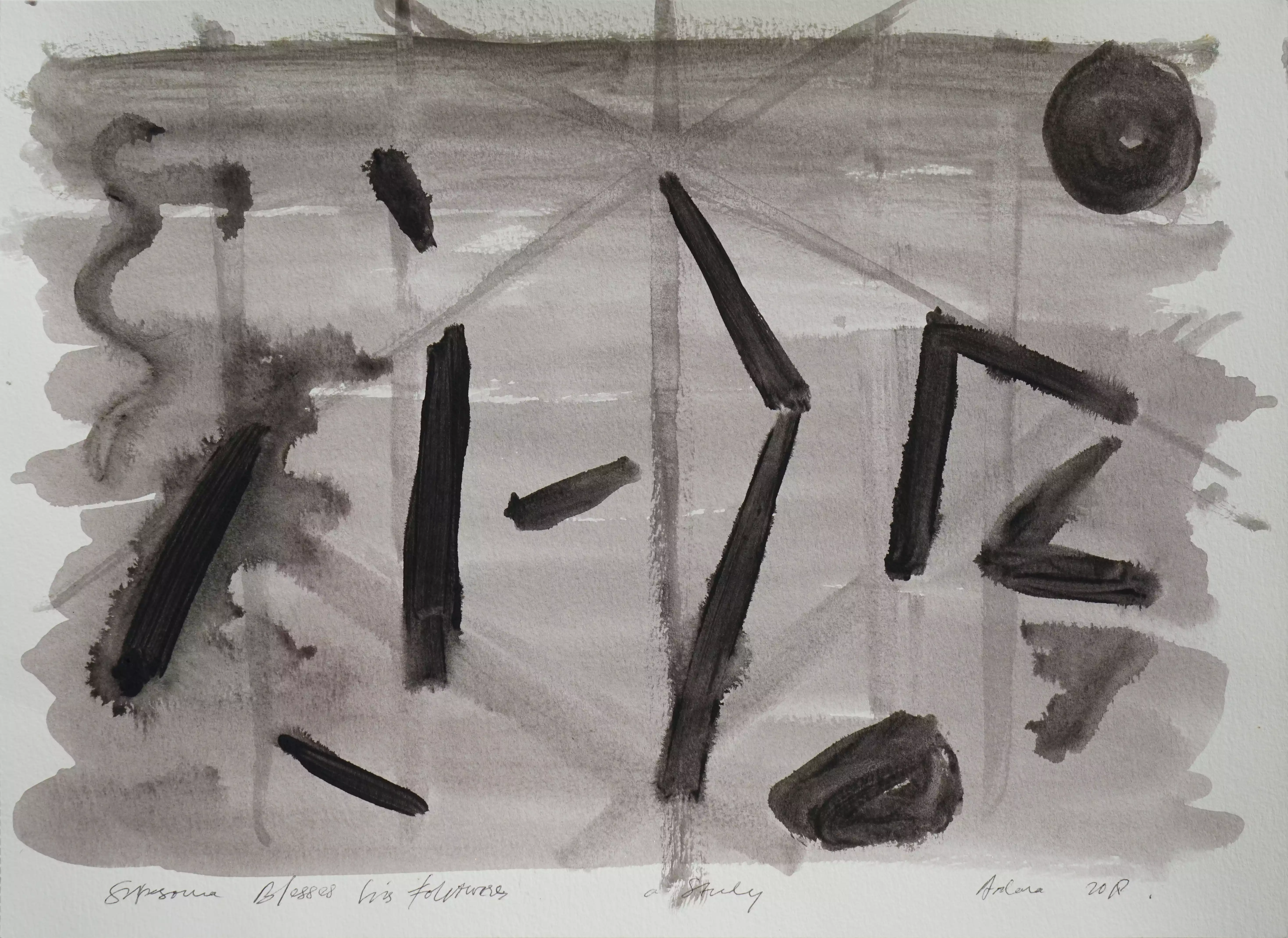
Dewa Ngakan Made Ardana
Mata Mendengar #11, 2018
Acrylic and gouache on paper
40.8 x 29.7 cm / 29.7 x 40.8 cm

Dewa Ngakan Made Ardana
Mata Mendengar #12, 2018
Acrylic and gouache on paper
40.8 x 29.7 cm / 29.7 x 40.8 cm

Dewa Ngakan Made Ardana
Mata Mendengar #13, 2018
Acrylic and gouache on paper
40.8 x 29.7 cm / 29.7 x 40.8 cm
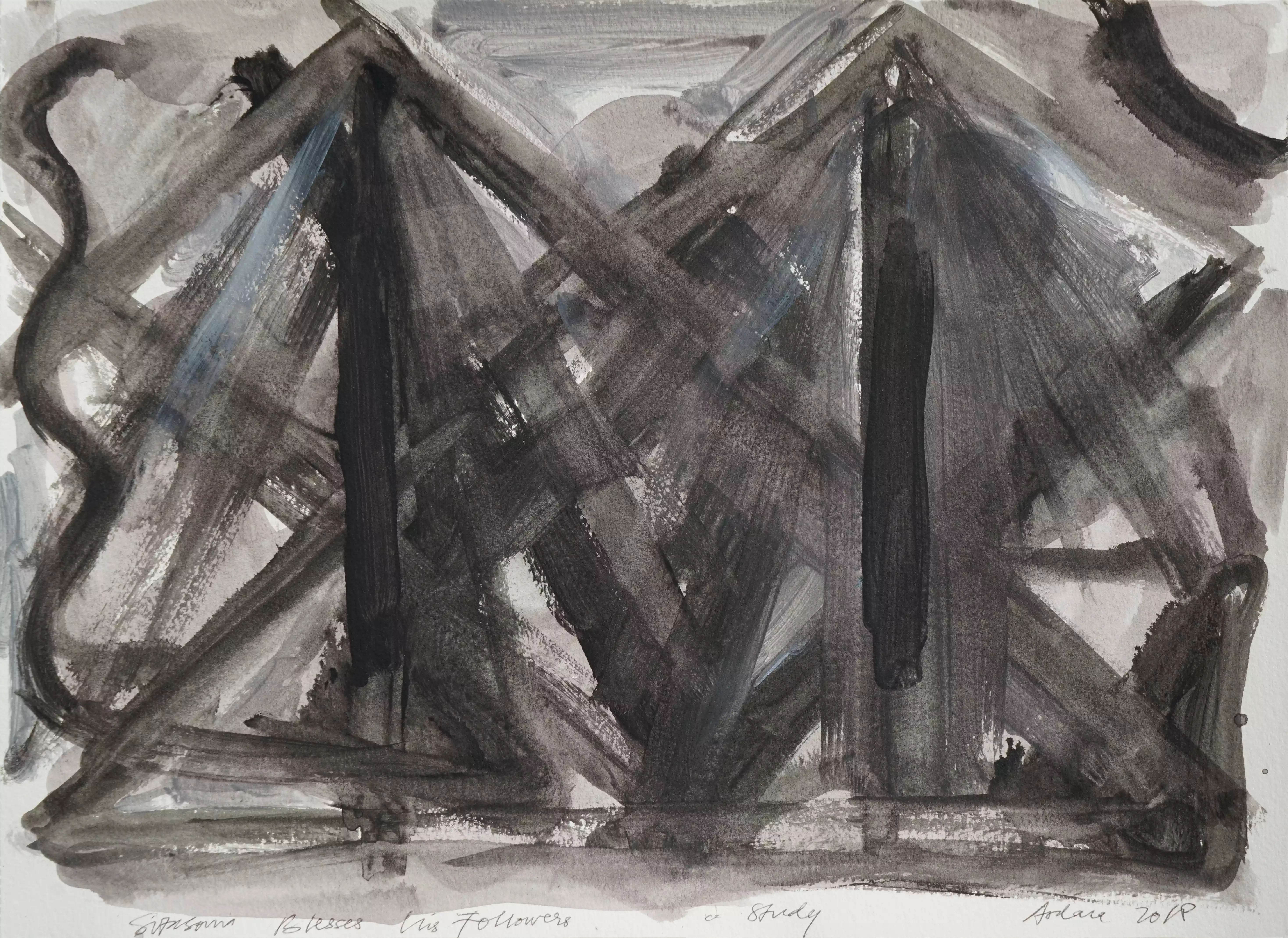
Dewa Ngakan Made Ardana
Mata Mendengar #14, 2018
Acrylic and gouache on paper
40.8 x 29.7 cm / 29.7 x 40.8 cm

Dewa Ngakan Made Ardana
Mata Mendengar #15, 2018
Mixed media on paper
29.5 x 20.5 cm

Dewa Ngakan Made Ardana
Mata Mendengar #16, 2018
Acrylic and glue on paper
29.5 x 20.5 cm

Dewa Ngakan Made Ardana
Mata Mendengar #17, 2018
Acrylic and glue on paper
29.5 x 20.5 cm

Dewa Ngakan Made Ardana
Mata Mendengar #18, 2018
Acrylic, gouache and glue on paper
14.7 x 20.9 cm / 20.9 x 14.7 cm
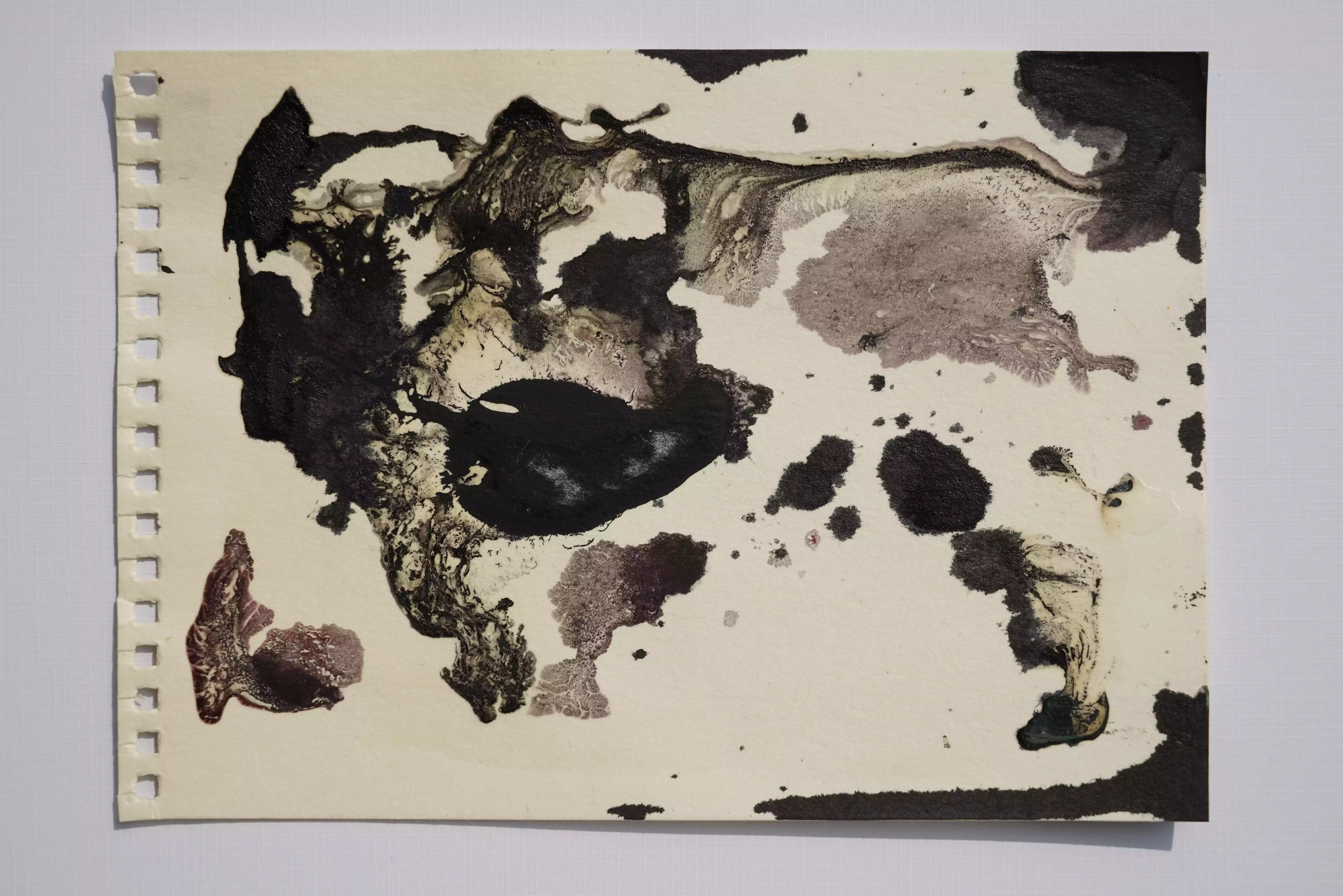
Dewa Ngakan Made Ardana
Mata Mendengar #19, 2018
Acrylic, gouache and glue on paper
14.7 x 20.9 cm / 20.9 x 14.7 cm

Dewa Ngakan Made Ardana
Mata Mendengar #20, 2018
Acrylic, gouache and glue on paper
14.7 x 20.9 cm / 20.9 x 14.7 cm

Dewa Ngakan Made Ardana
Mata Mendengar #21, 2018
Acrylic, gouache and glue on paper
14.7 x 20.9 cm / 20.9 x 14.7 cm
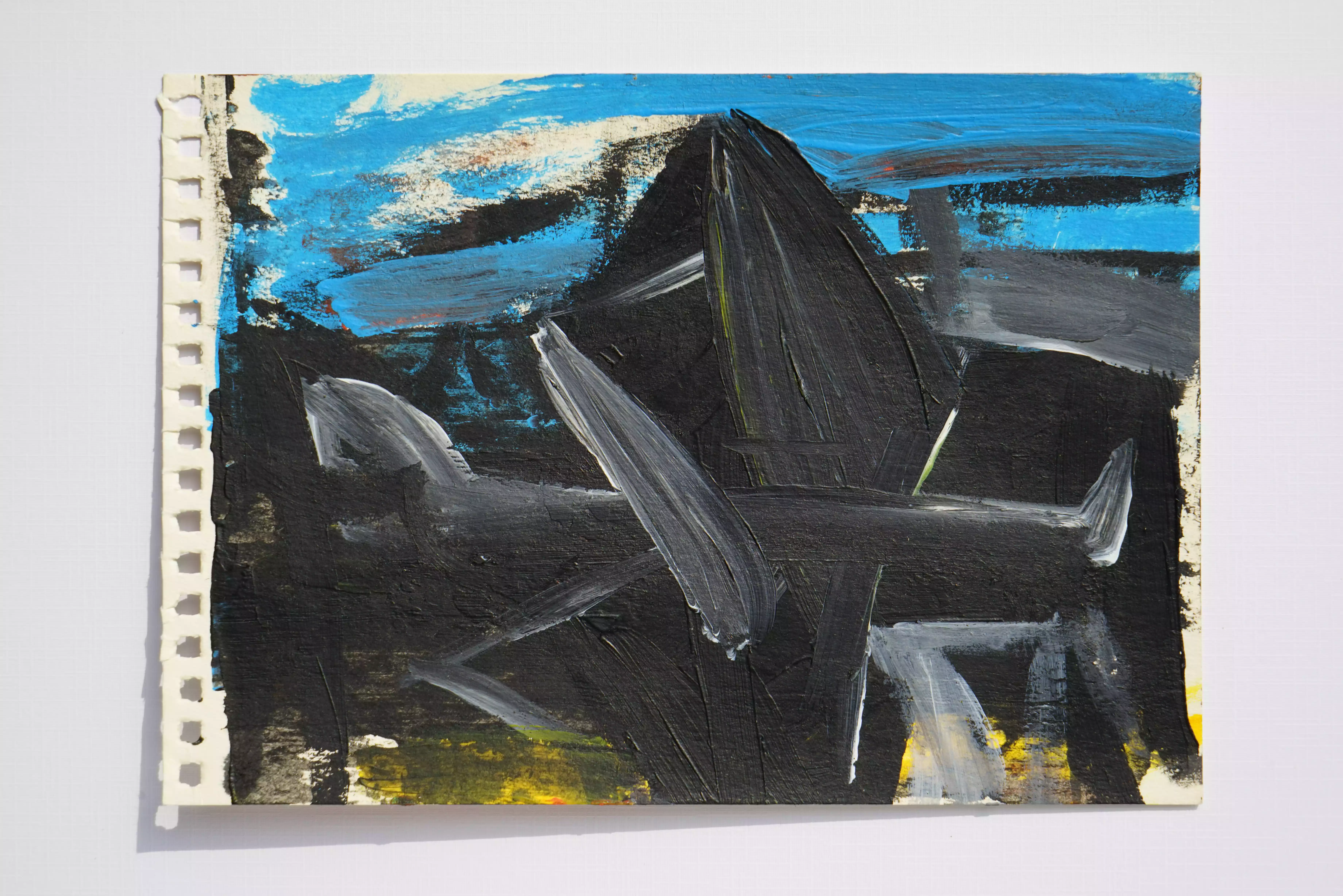
Dewa Ngakan Made Ardana
Mata Mendengar #22, 2018
Acrylic, gouache and glue on paper
14.7 x 20.9 cm / 20.9 x 14.7 cm

Dewa Ngakan Made Ardana
Mata Mendengar #23, 2018
Acrylic, gouache and glue on paper
14.7 x 20.9 cm / 20.9 x 14.7 cm
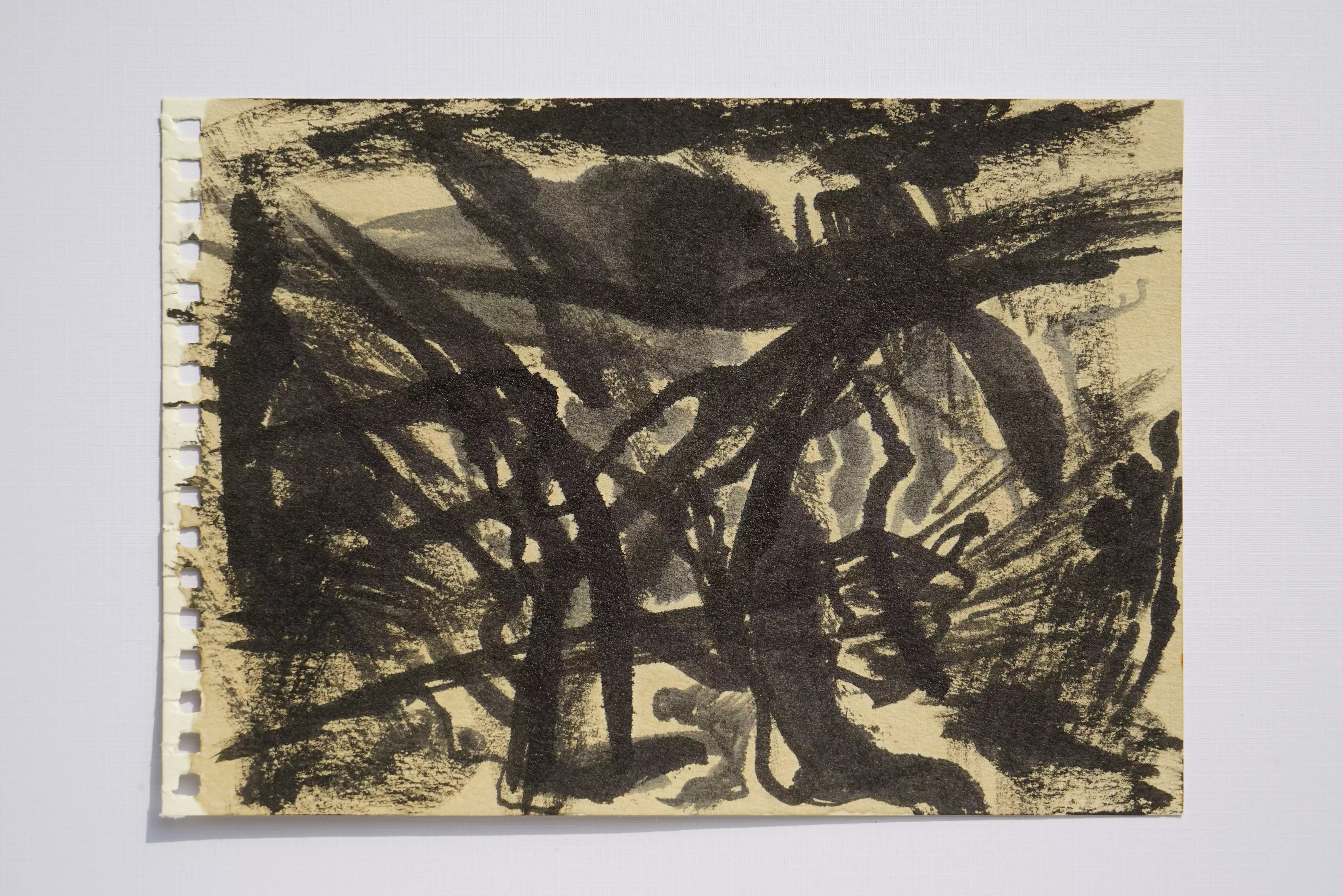
Dewa Ngakan Made Ardana
Mata Mendengar #24, 2018
Acrylic, gouache and glue on paper
14.7 x 20.9 cm / 20.9 x 14.7 cm
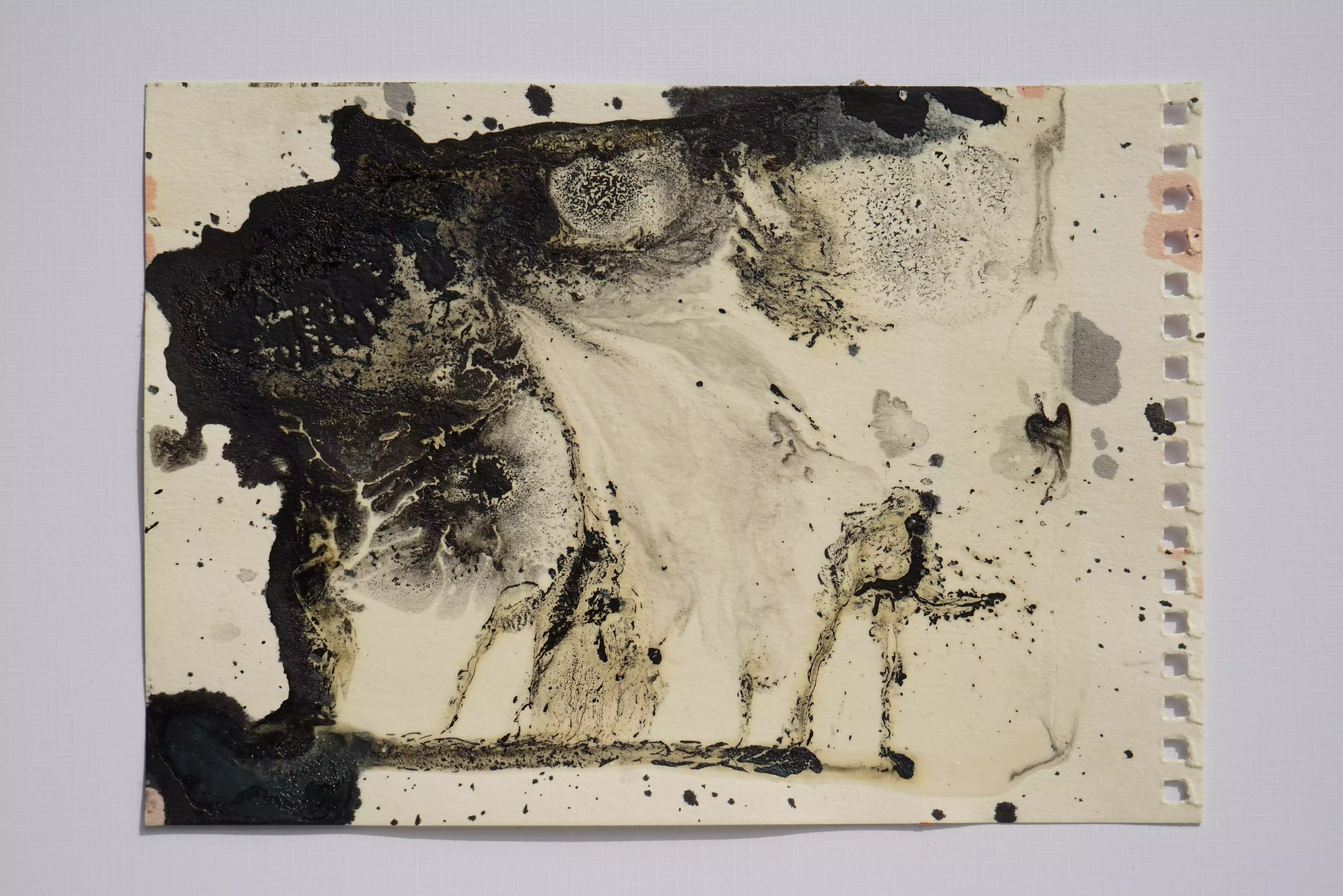
Dewa Ngakan Made Ardana
Mata Mendengar #25, 2018
Acrylic, gouache and glue on paper
14.7 x 20.9 cm / 20.9 x 14.7 cm
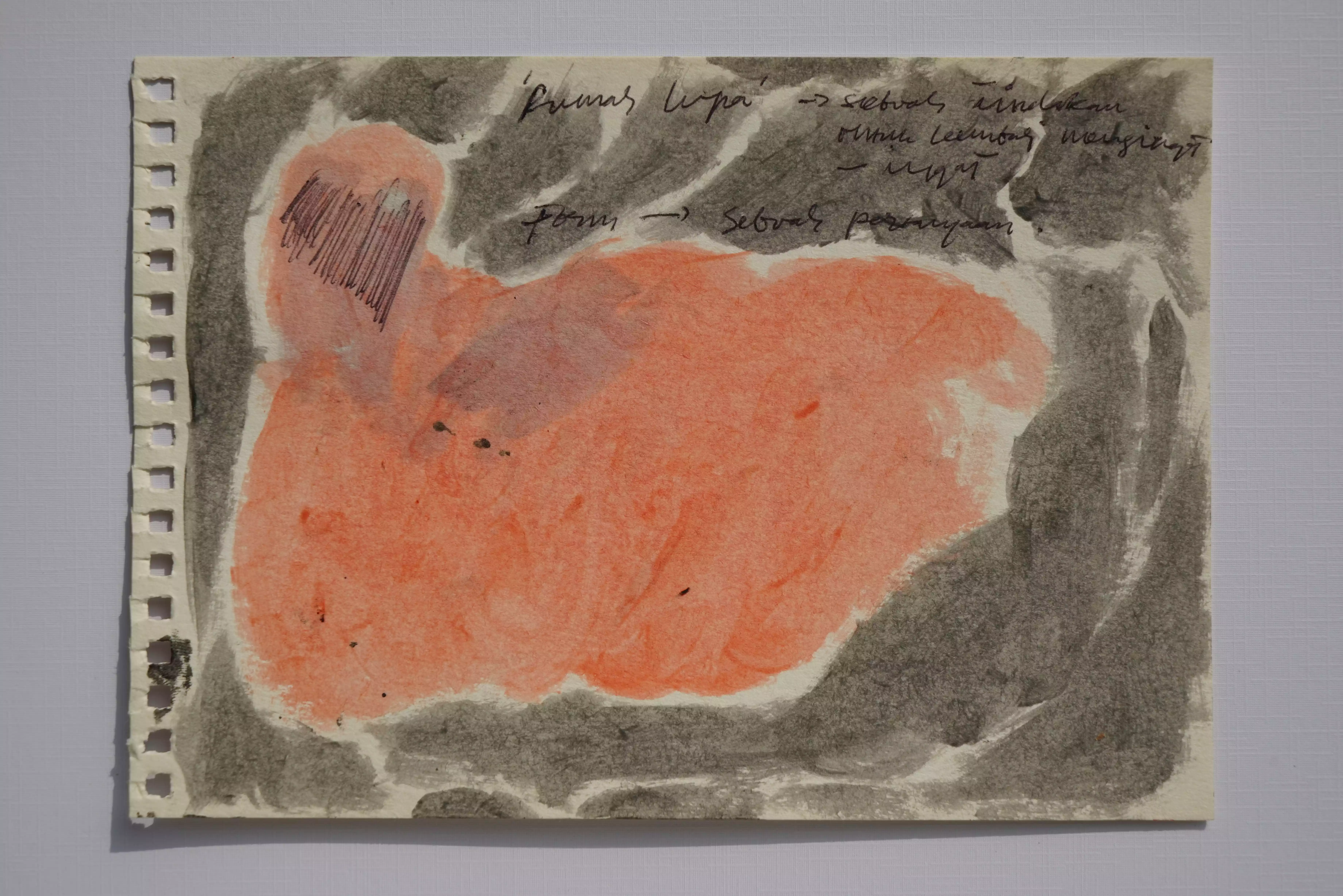
Dewa Ngakan Made Ardana
Mata Mendengar #26, 2018
Acrylic, gouache and glue on paper
14.7 x 20.9 cm / 20.9 x 14.7 cm
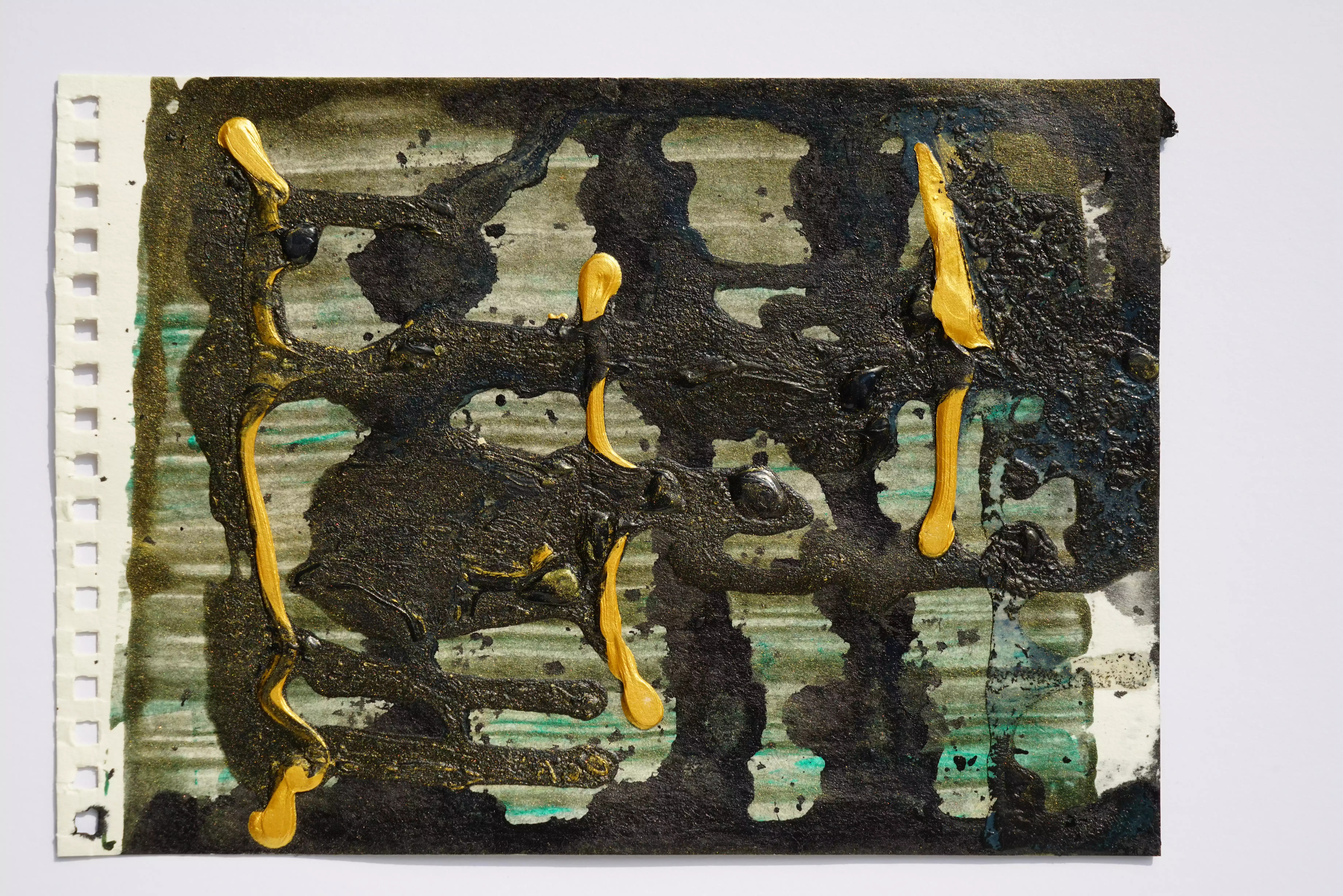
Dewa Ngakan Made Ardana
Mata Mendengar #27, 2018
Acrylic, gouache and glue on paper
14.7 x 20.9 cm / 20.9 x 14.7 cm
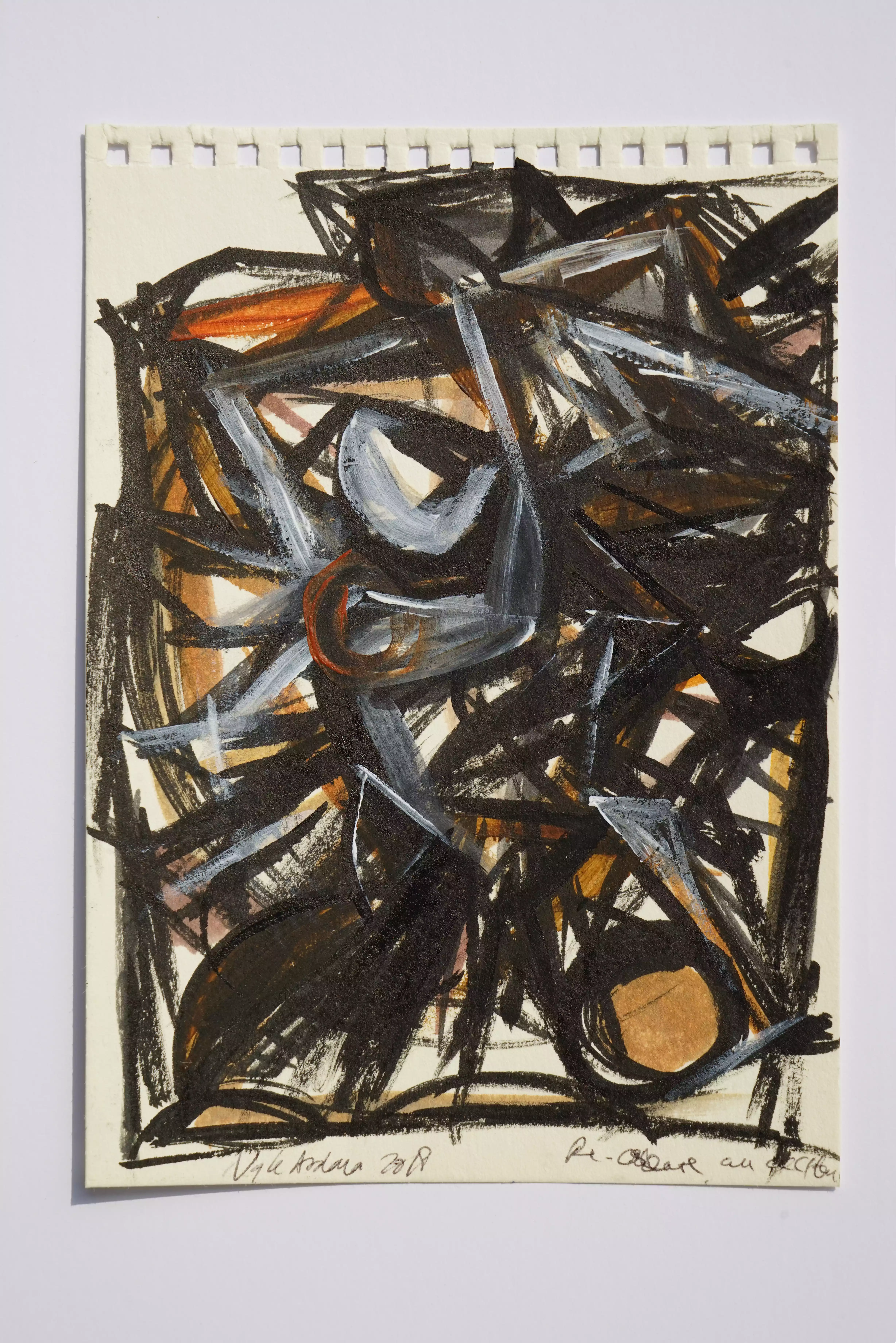
Dewa Ngakan Made Ardana
Mata Mendengar #28, 2018
Acrylic, gouache and glue on paper
14.7 x 20.9 cm / 20.9 x 14.7 cm
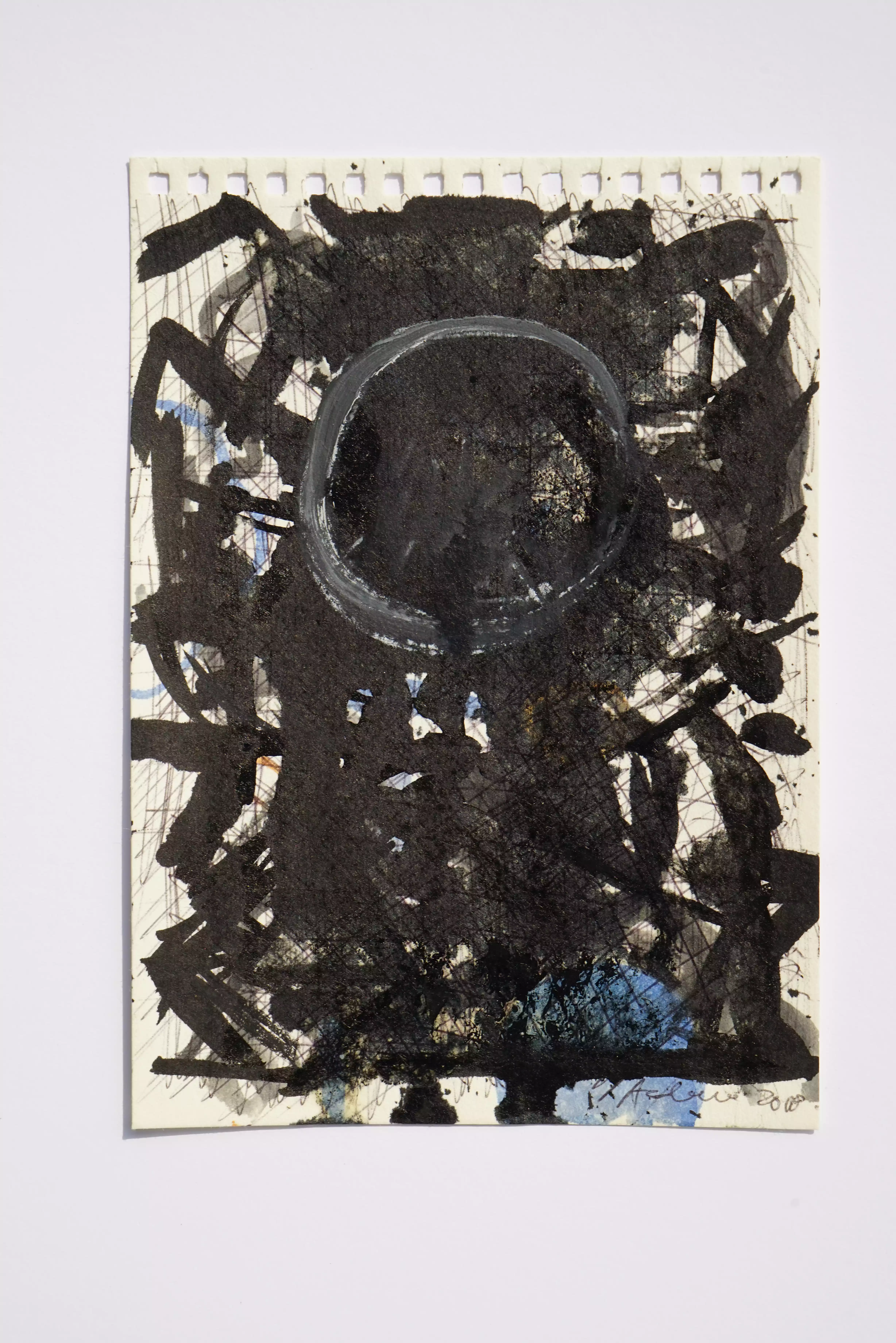
Dewa Ngakan Made Ardana
Mata Mendengar #29, 2018
Acrylic, gouache and glue on paper
14.7 x 20.9 cm / 20.9 x 14.7 cm
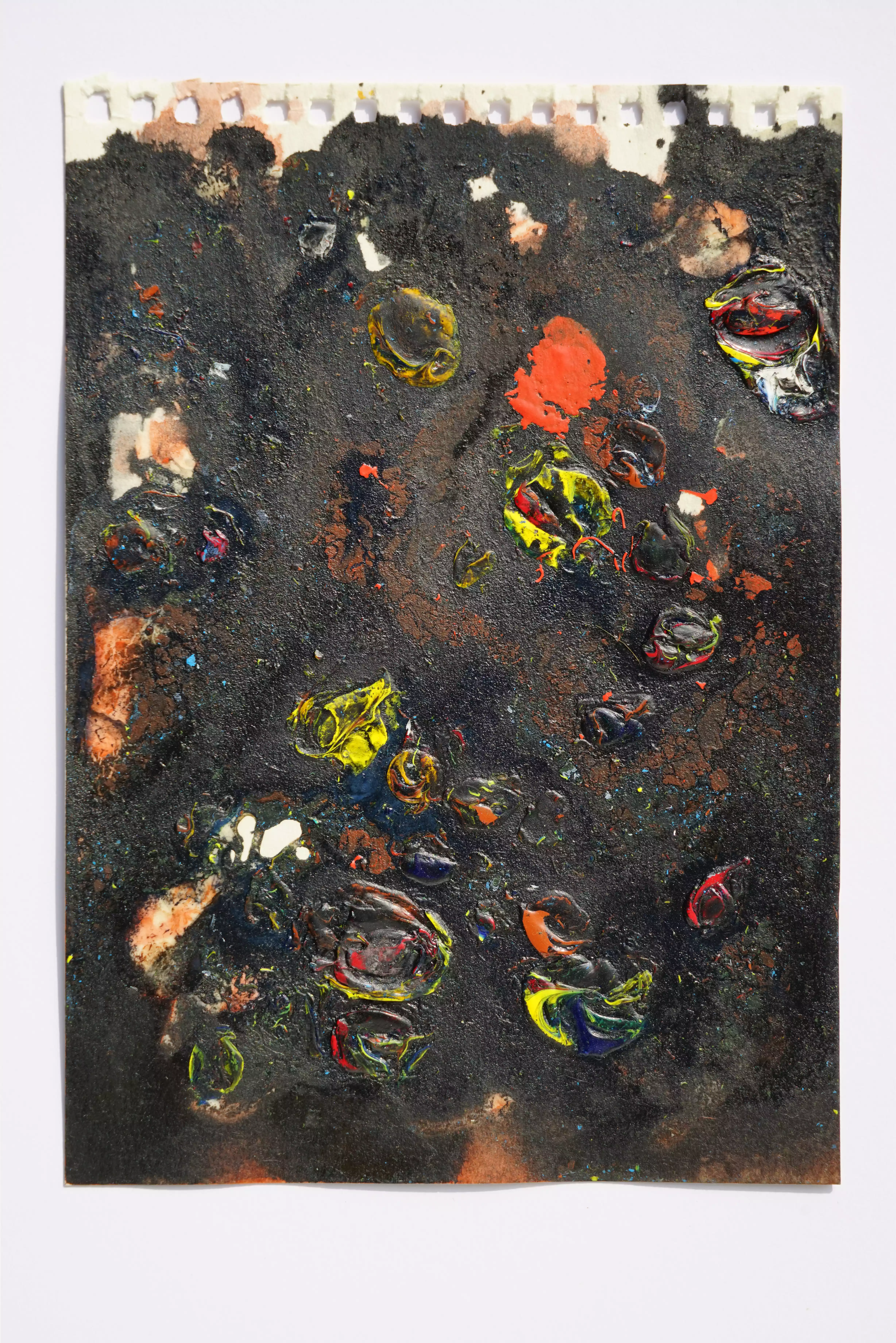
Dewa Ngakan Made Ardana
Mata Mendengar #30, 2018
Acrylic, gouache and glue on paper
14.7 x 20.9 cm / 20.9 x 14.7 cm
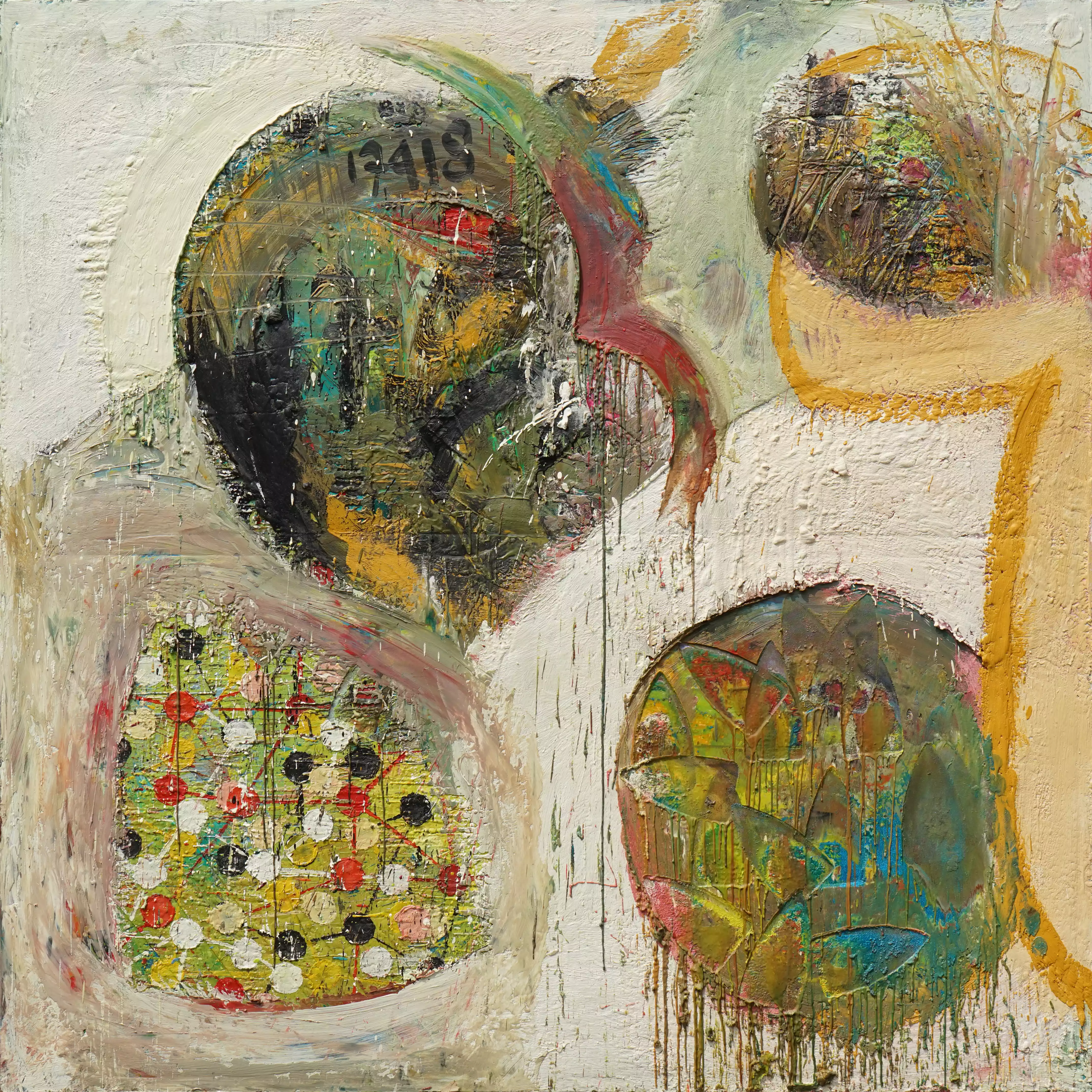
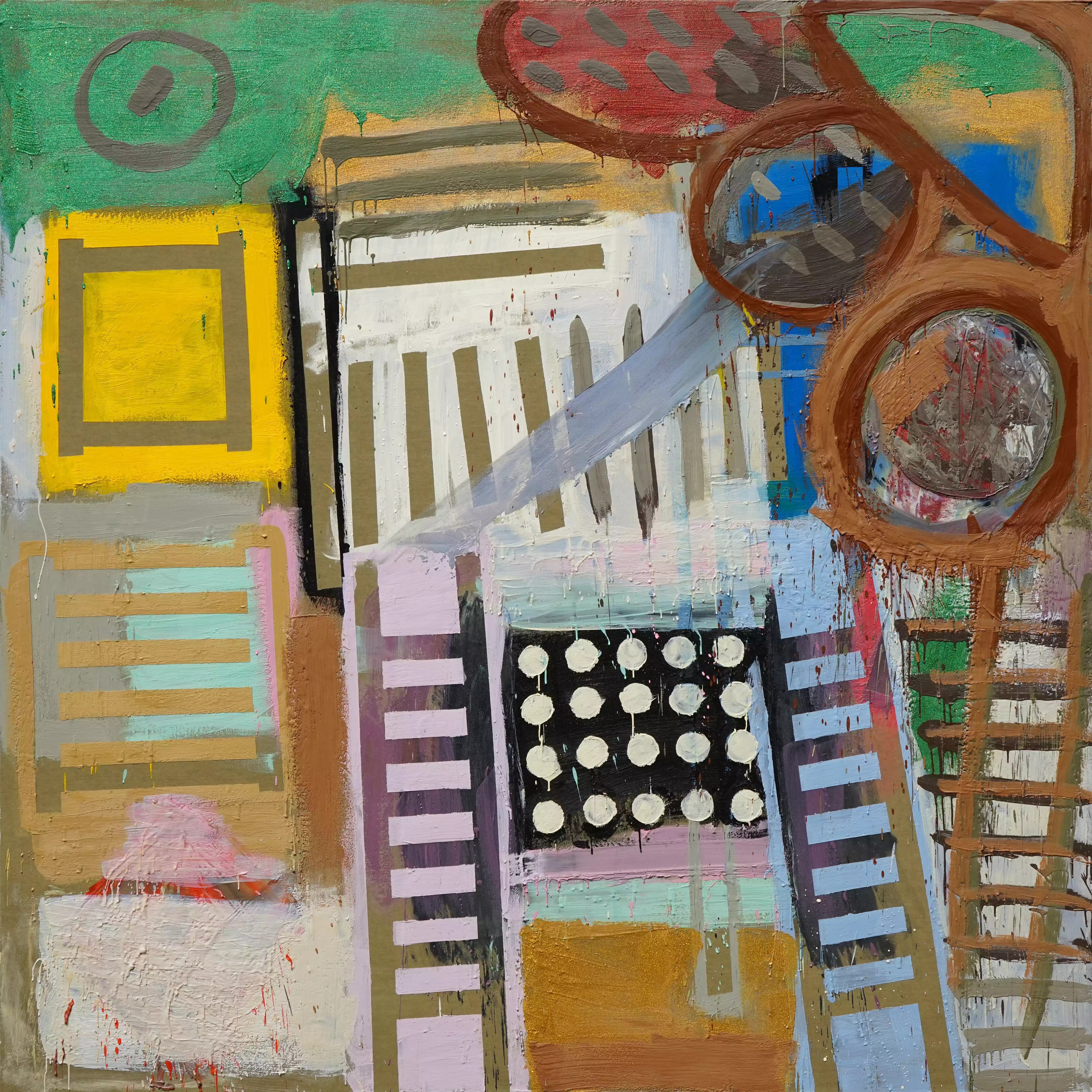
Gede Mahendra Yasa
Untitled #1, 2018
Encaustic on linen
200 x 200 cm
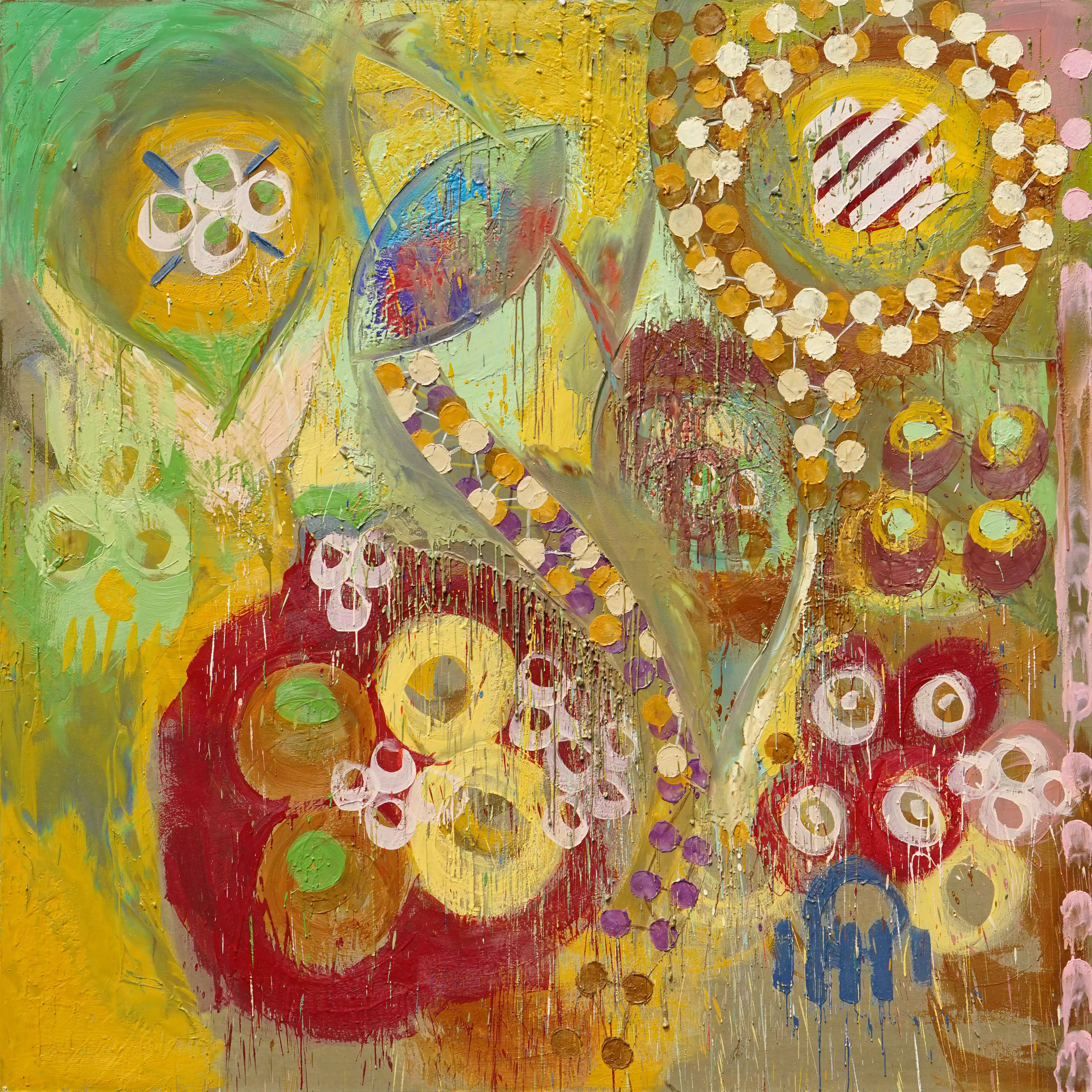
Gede Mahendra Yasa
Untitled #2, 2018
Encaustic on linen
200 x 200 cm
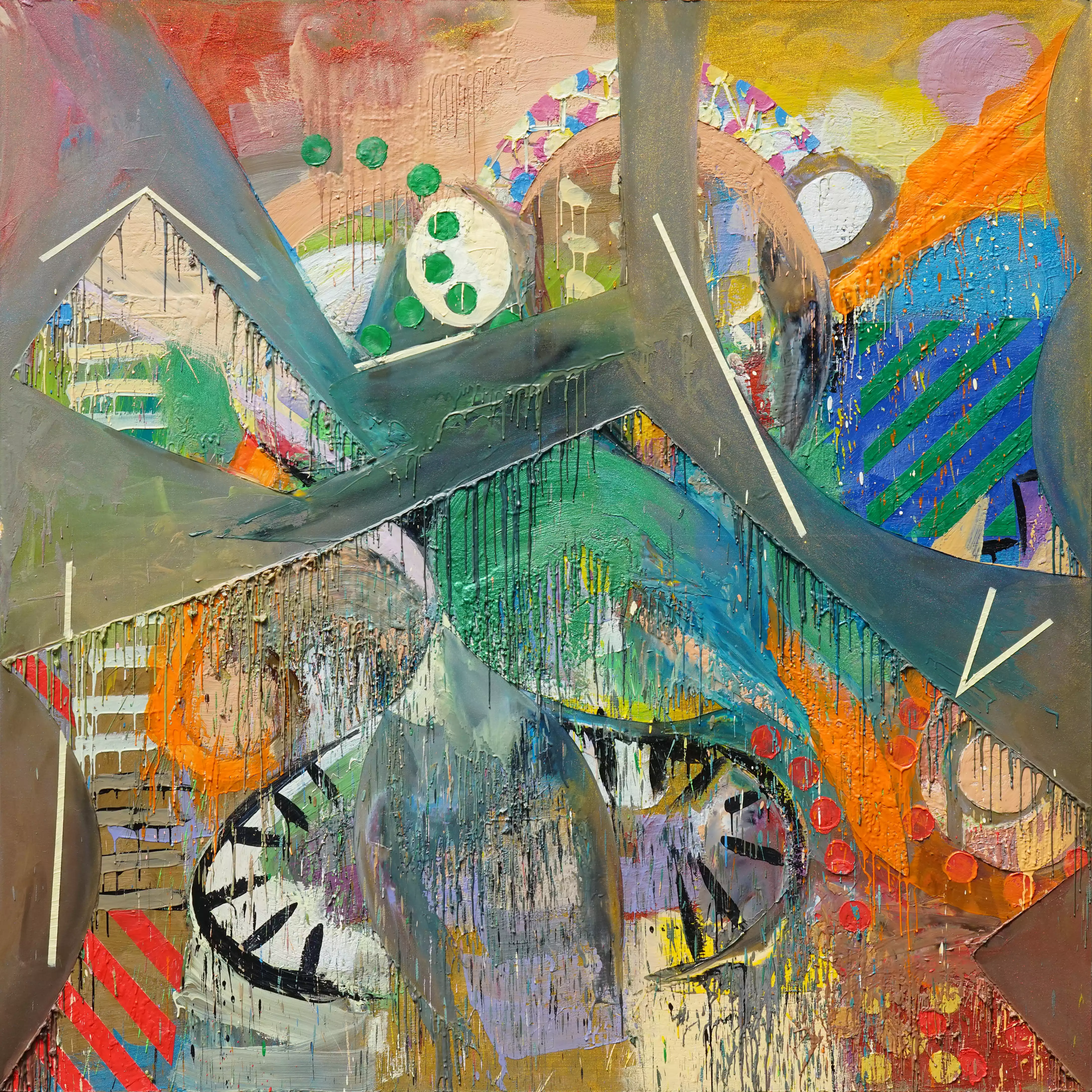
Gede Mahendra Yasa
Untitled #3, 2018
Encaustic on linen
200 x 200 cm
Gede Mahendra Yasa
Untitled #4, 2018
Encaustic on linen
200 x 200 cm

I Putu Bonuz Sudiana
Fire, 2018
Acrylic on canvas
150 x 150 cm

I Putu Bonuz Sudiana
Hope I, 2018
Acrylic on canvas
194 x 194 cm

I Putu Bonuz Sudiana
Hope II, 2018
Acrylic on canvas
194 x 194 cm

I Putu Bonuz Sudiana
Water, 2018
Acrylic on canvas
150 x 150 cm

I Putu Bonuz Sudiana
Wind, 2018
Acrylic on canvas
150 x 150 cm
.webp)
Kemalezedine
Dance Macabre, 2018
Acrylic and oil bar on canvas
200 x 1000 cm (tetraptych)
.webp)
Kemalezedine
Pro Memoriam, 2018
Acrylic and oil bar on canvas
250 x 400 cm (diptych)
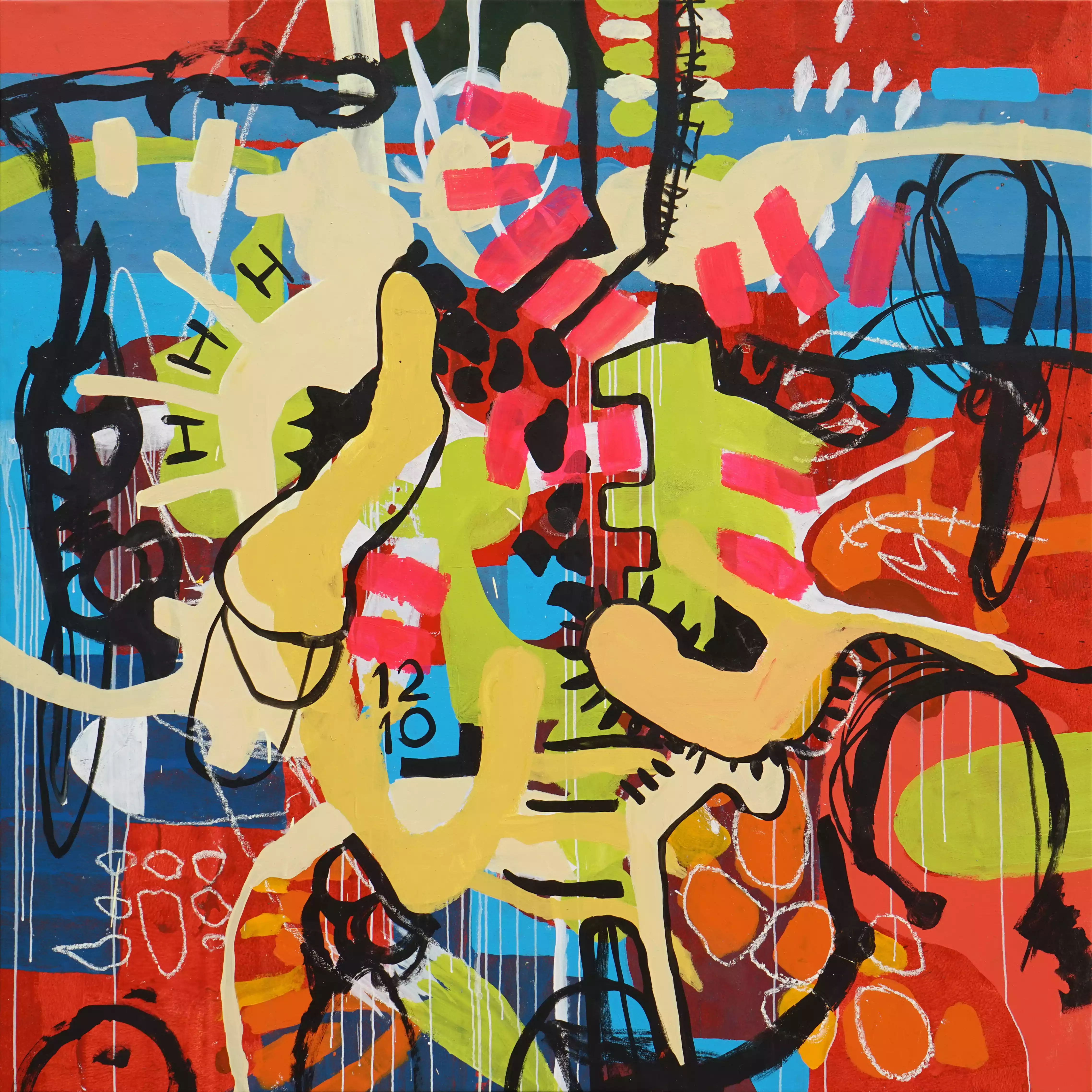
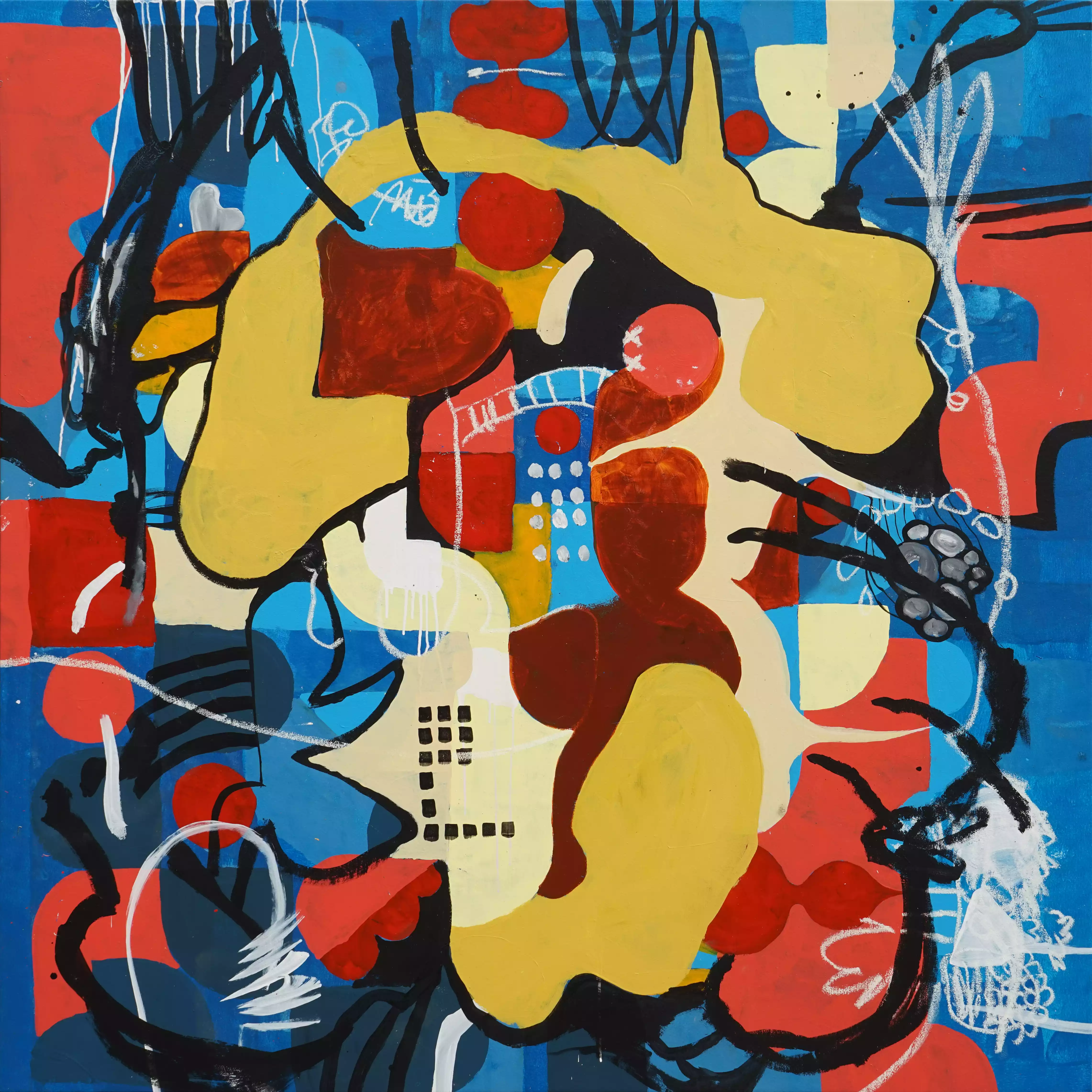
Kemalezedine
Square Hammer #1, 2018
Acrylic on canvas
200 x 200 cm
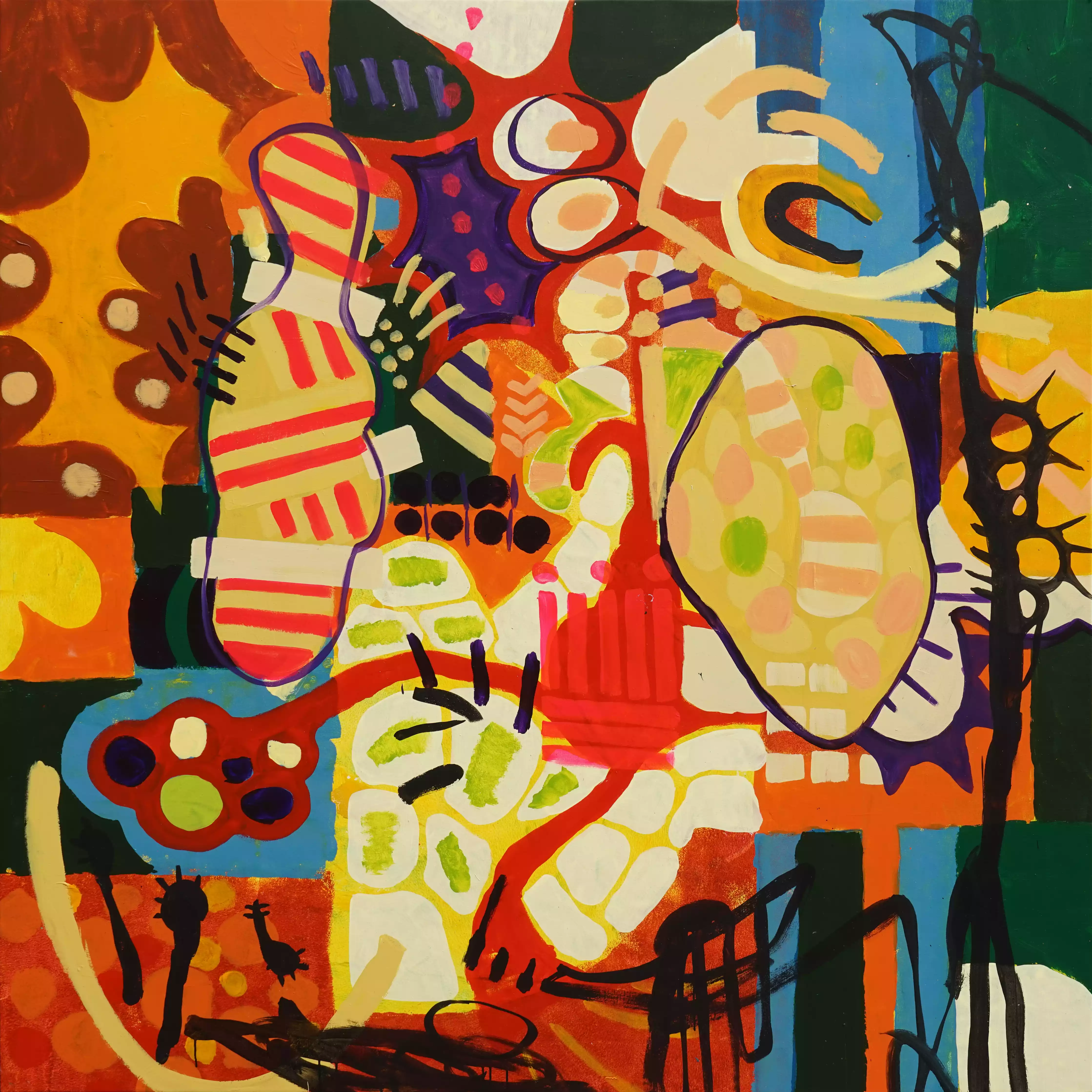
Kemalezedine
Square Hammer #2, 2018
Acrylic on canvas
200 x 200 cm
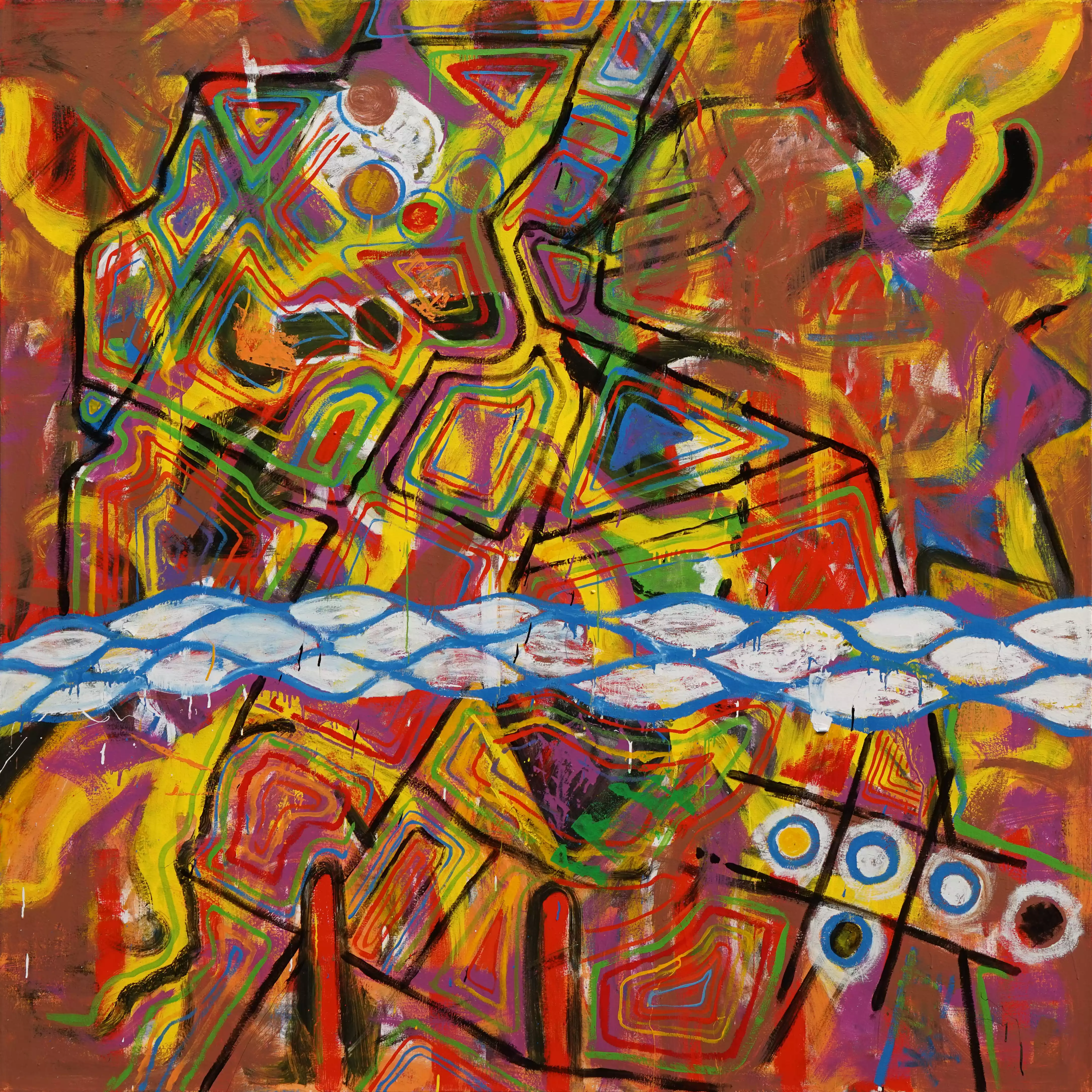
Kemalezedine
Untitled no. 13, 2018
Acrylic on canvas
200 x 200 cm
Ketut Moniarta
Conversation With Nothing, 2018
Enamel on canvas
200 x 200 cm

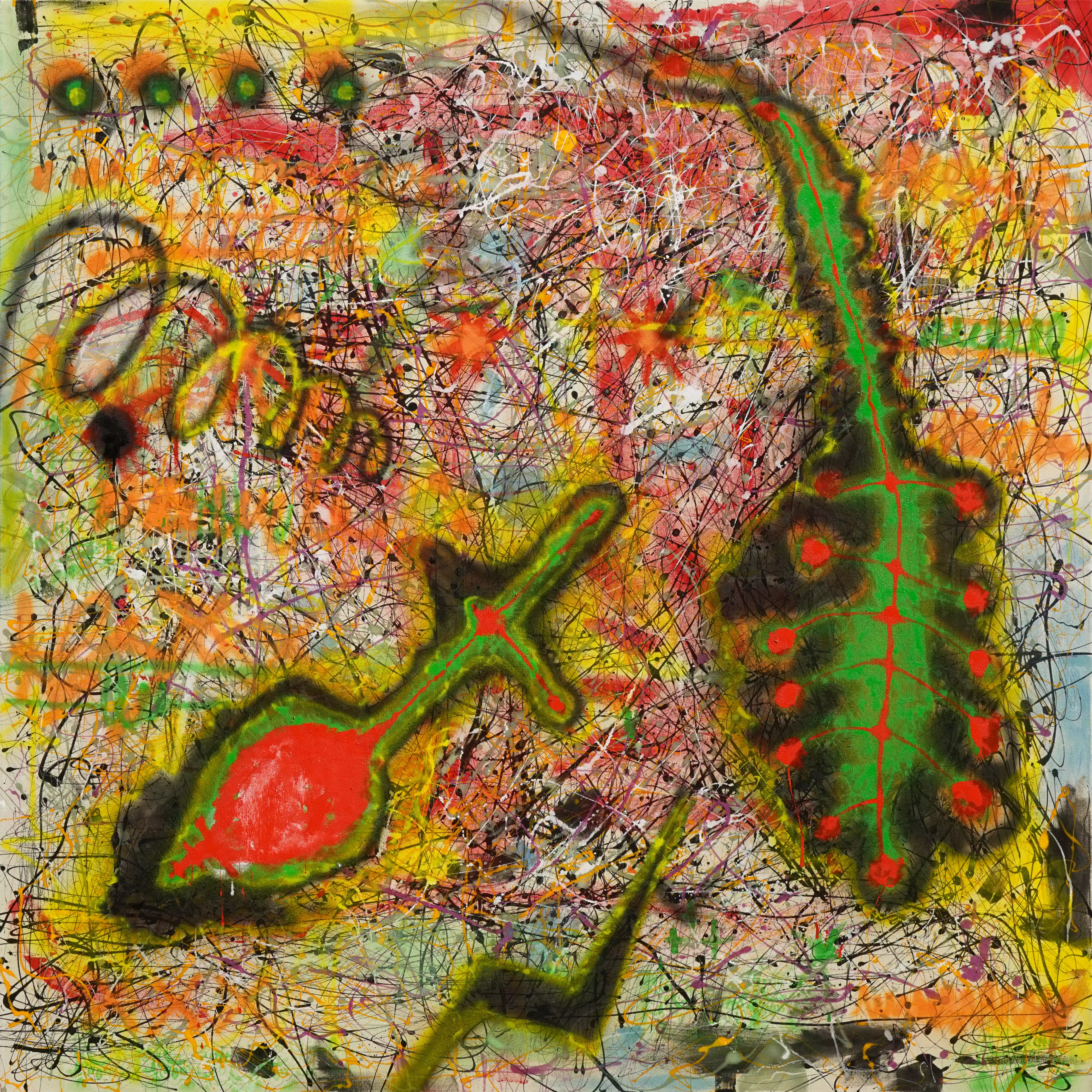
Ketut Moniarta
Love Flower, 2018
Enamel on canvas
179 x 139 cm
Ketut Moniarta
Me Us Pollock, 2018
Enamel on canvas
200 x 200 cm
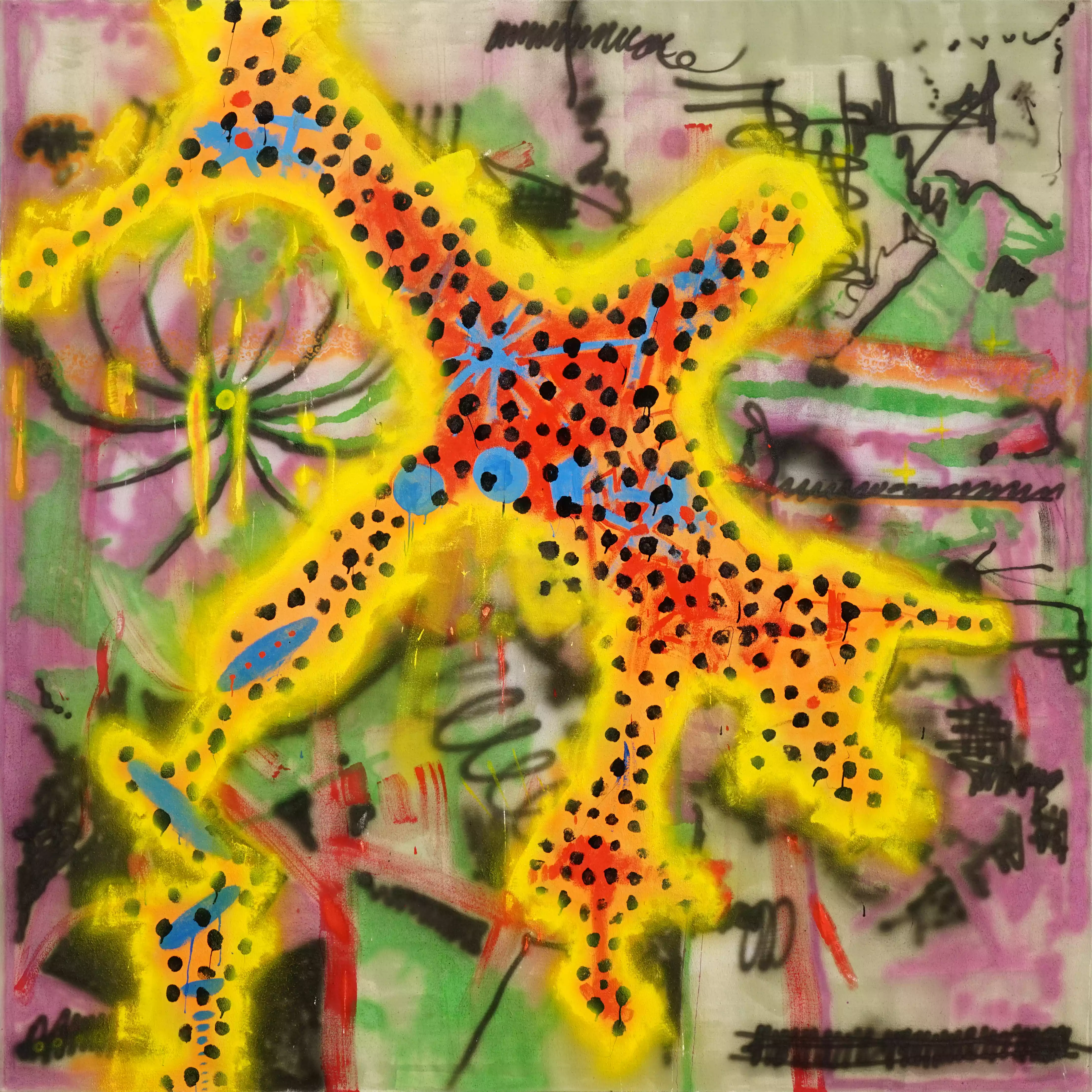
Ketut Moniarta
Natural Mystic, 2018
Enamel on canvas
200 x 200 cm
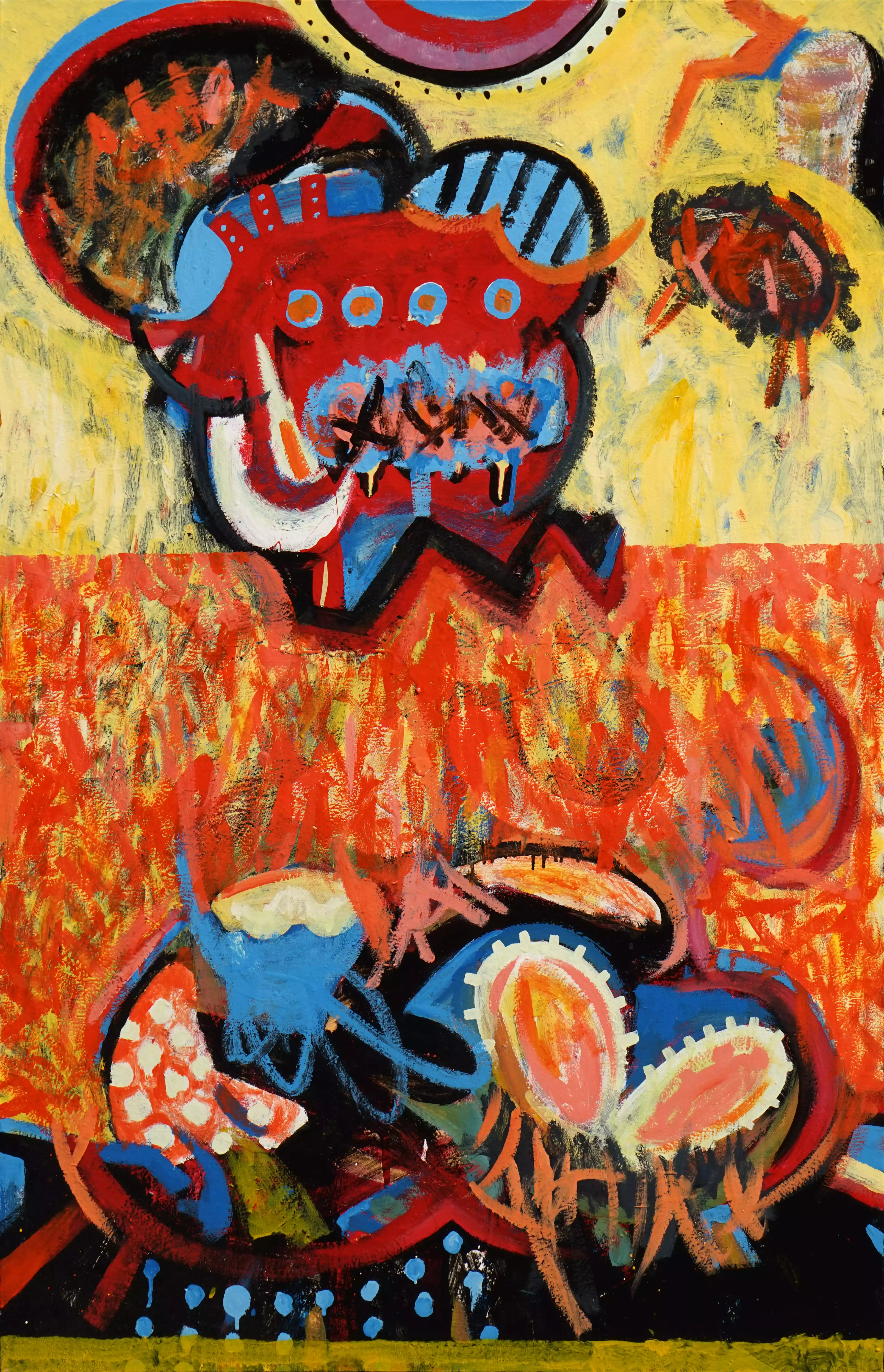
Ketut Moniarta
New Blood, 2018
Enamel on canvas
143 x 93 cm
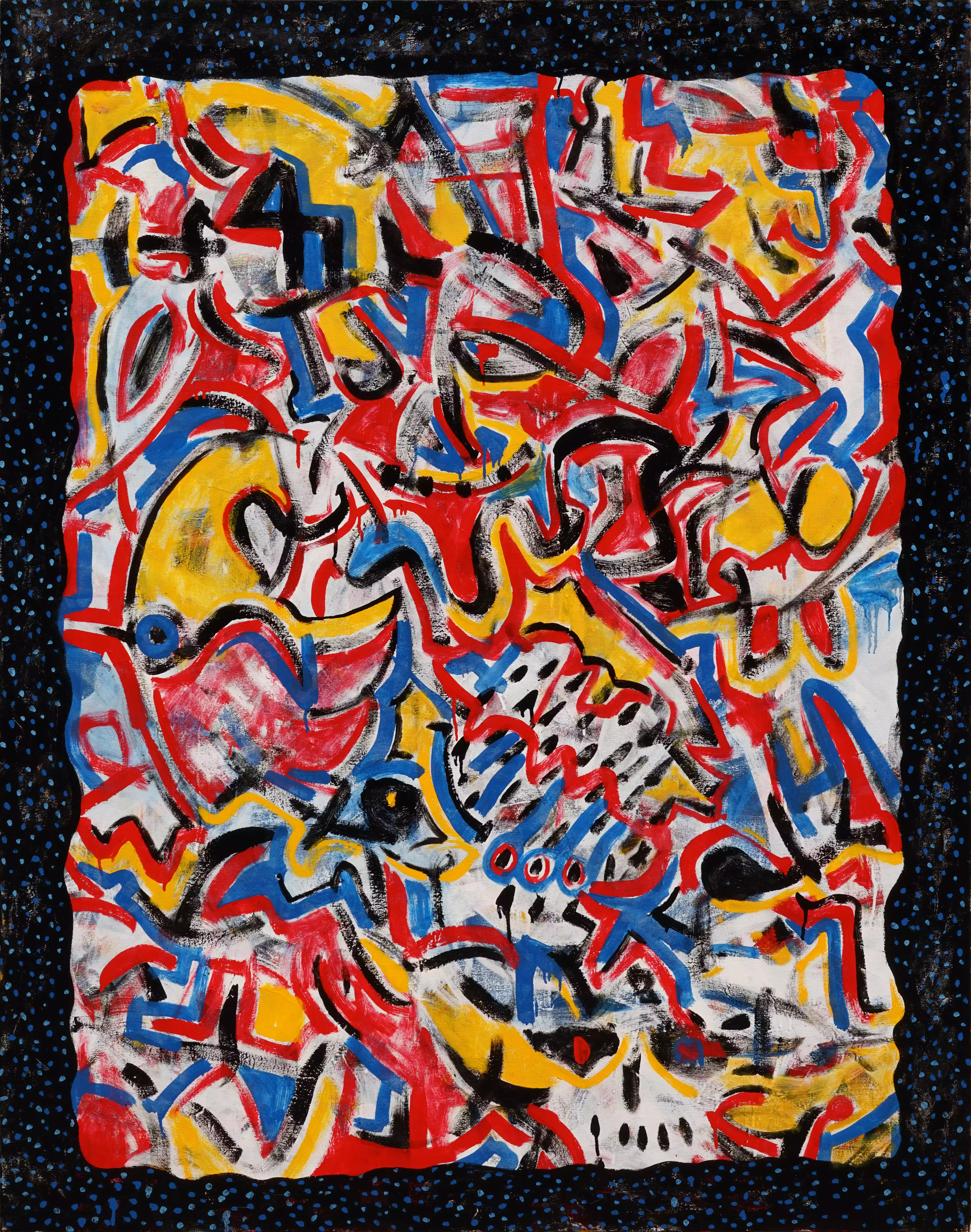
Ketut Moniarta
Terminator, 2018
Enamel on canvas
179 x 140 cm